
Aircraft Hangar Roofing in Arlington, TX
Aircraft Hangar Roofing
Aircraft hangar roofing in Arlington, TX: edge metal and nailer repair, membrane tie-ins, moisture surveys, and tear-off planned around the hangar floor.
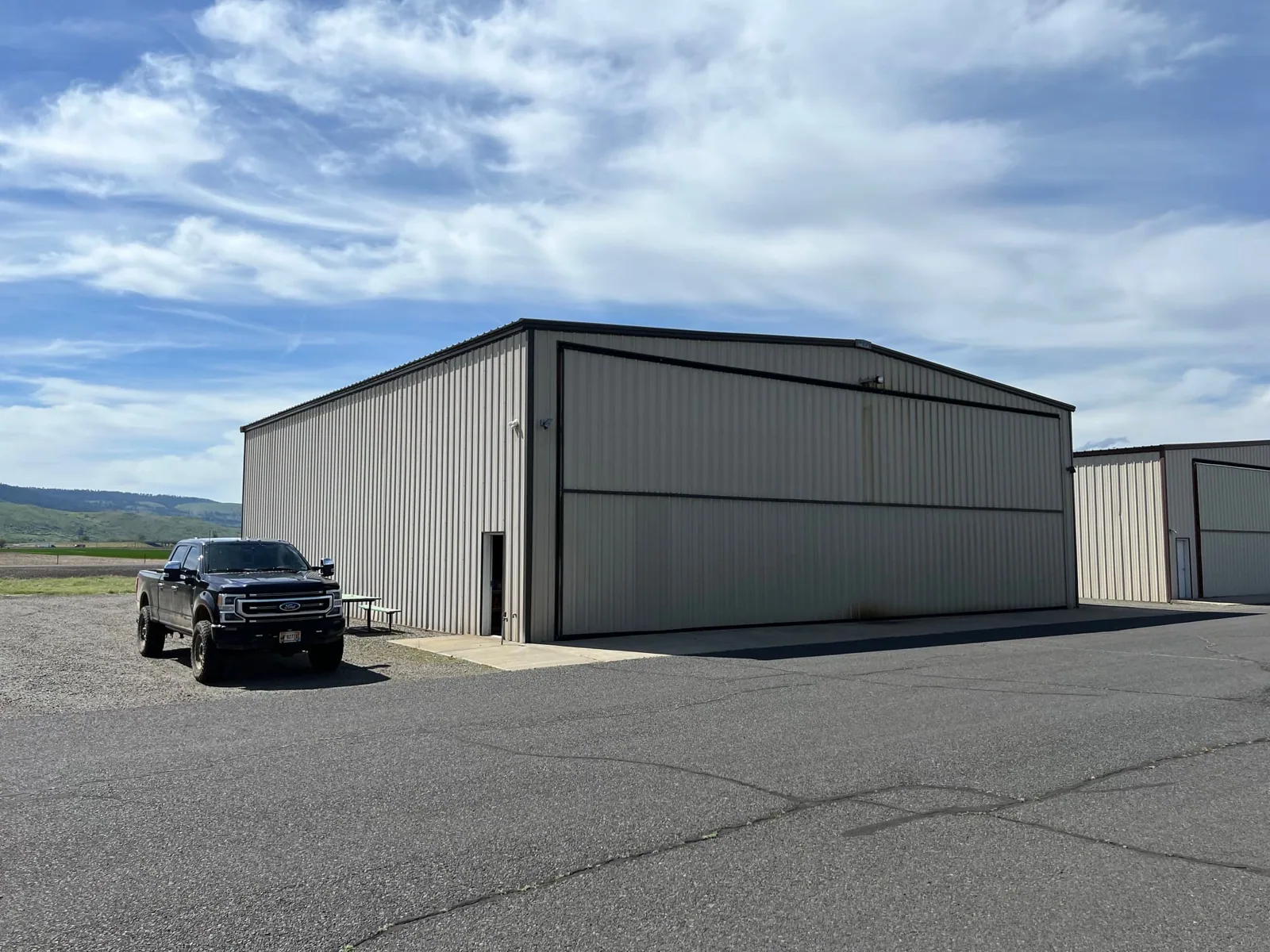
Aircraft hangar roofs in Arlington, TX take their worst beating at the edges. A wide clear-span roof has long runs of edge metal and gutter, and the edge above the hangar door header catches wind and water from every storm. The February 14 to 17, 2021 winter storm across North and Central Texas shows how rough the weather can get here. When edge metal is loose or leaking, we look at the fasteners, the cleat and the wood nailer behind it. If that wood is rotted, it has to be replaced before new metal goes on. Caulking the joint won't fix it, and measuring the metal alone won't show what's hidden behind it. We price the nailer repair and the new edge together so the owner sees the real job.
We also work on hangars in North Richland Hills and Burleson, and we plan access and protection around how each building is actually used.
To get started, we need the building address, the person who can let us onto the roof, and any drawings or past repair records you have. Tell us where the leak shows up inside. The hangar staff know what's parked or stored below and what needs protecting when we open the roof.
Edge metal and the wood behind it
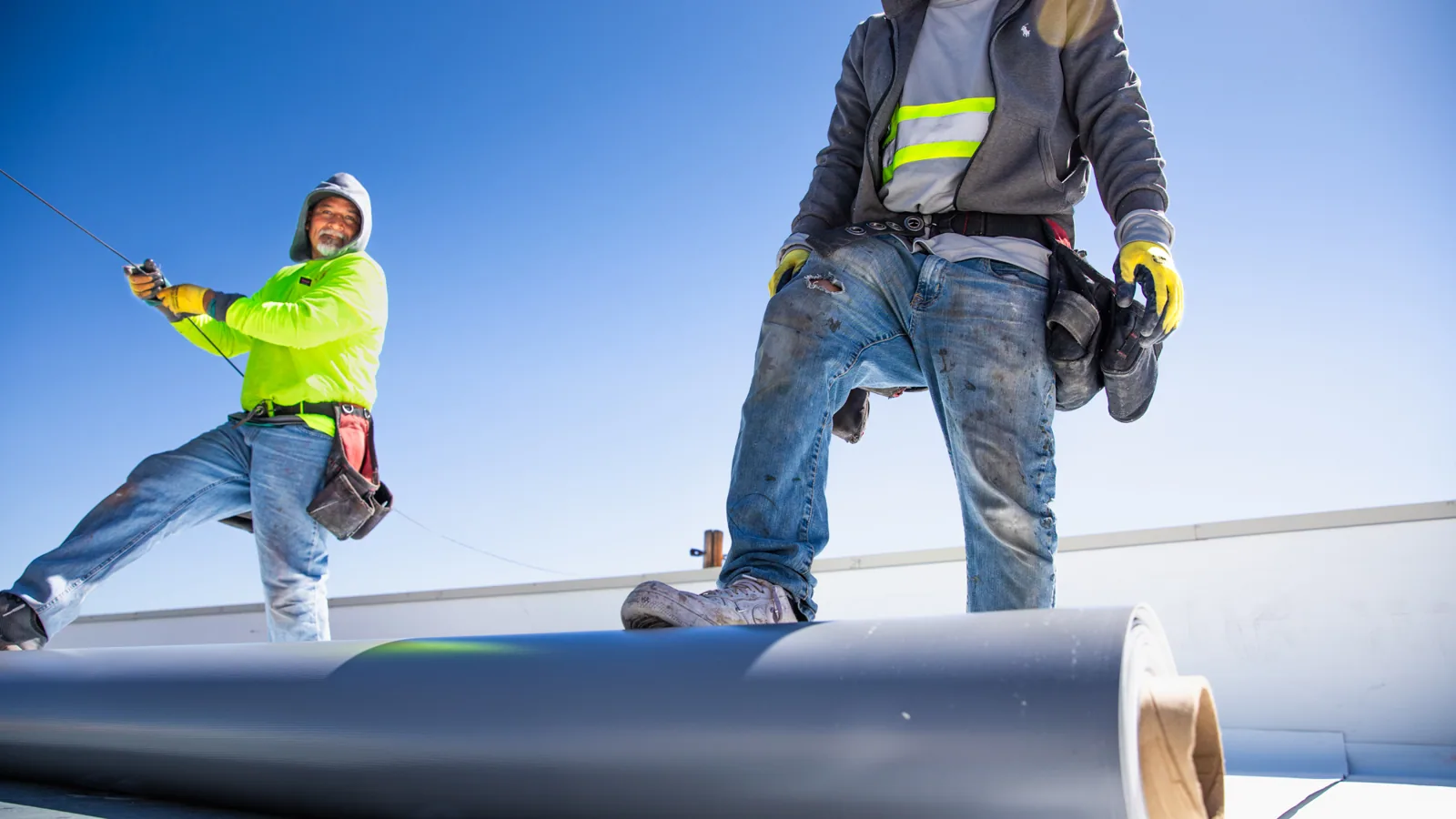
With edge metal, coping and gutter repair, we start at the problem spot and work along the edge. We pull fasteners, check the cleat, and look at the nailer and the top of the wall. Sound wood stays; rotted or split wood gets replaced. If the parapet or wall framing needs more than a new nailer, the wall contractor handles it, and an engineer weighs in on any structural change. Then we install the new edge or coping and tie it into the membrane. A tape measure on the outside can't tell you whether the wood behind the metal will still hold a fastener.
A gap at a joint or one loose section tells us where to look closer, but it doesn't mean the whole perimeter is bad. We photograph what we find before new metal goes on, since all of it disappears behind the finished edge. Where something hidden decides the repair, we recommend a test opening instead of guessing. A stain inside the hangar helps us find the area, but water can run along the deck or down the wall before it shows up, so we trace the actual entry point on the roof. The proposal ties each repair to the spot we inspected and lists what we haven't checked yet.
Tying the membrane into the new edge
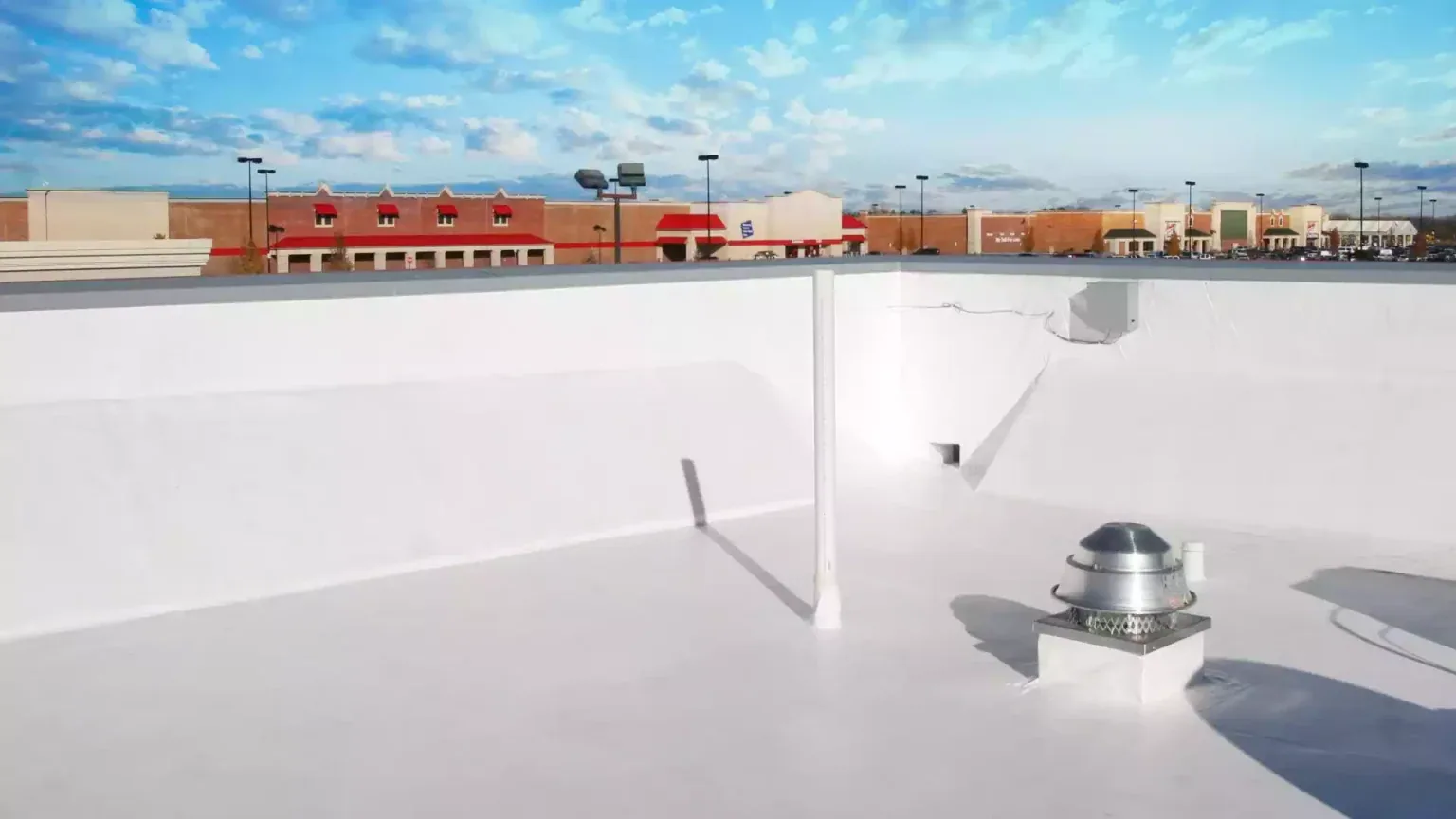
A commercial roof repair at the edge depends on what membrane is on the roof. We show how much comes off to reach good material and what stays in place. TPO and PVC are heat-welded, and the old sheet needs cleaning and a test weld first; EPDM and modified bitumen use different methods. The membrane work and the nailer repair belong in the same price, because one can't be finished without the other. A coating can make sense on a sound roof, but it won't replace rotted wood at the edge or deal with rooftop equipment.
If you're deciding whether to keep the existing roof, an infrared moisture survey can flag areas of wet insulation. The scan depends on weather and roof conditions, so it shows suspect areas rather than certainties. We confirm with core cuts where the answer matters, patch every core, and check what's under each spot before we cut. The repair-or-replace decision comes from what we find on this roof, not from the airport's name or a past storm.
Curbs, walls and drains
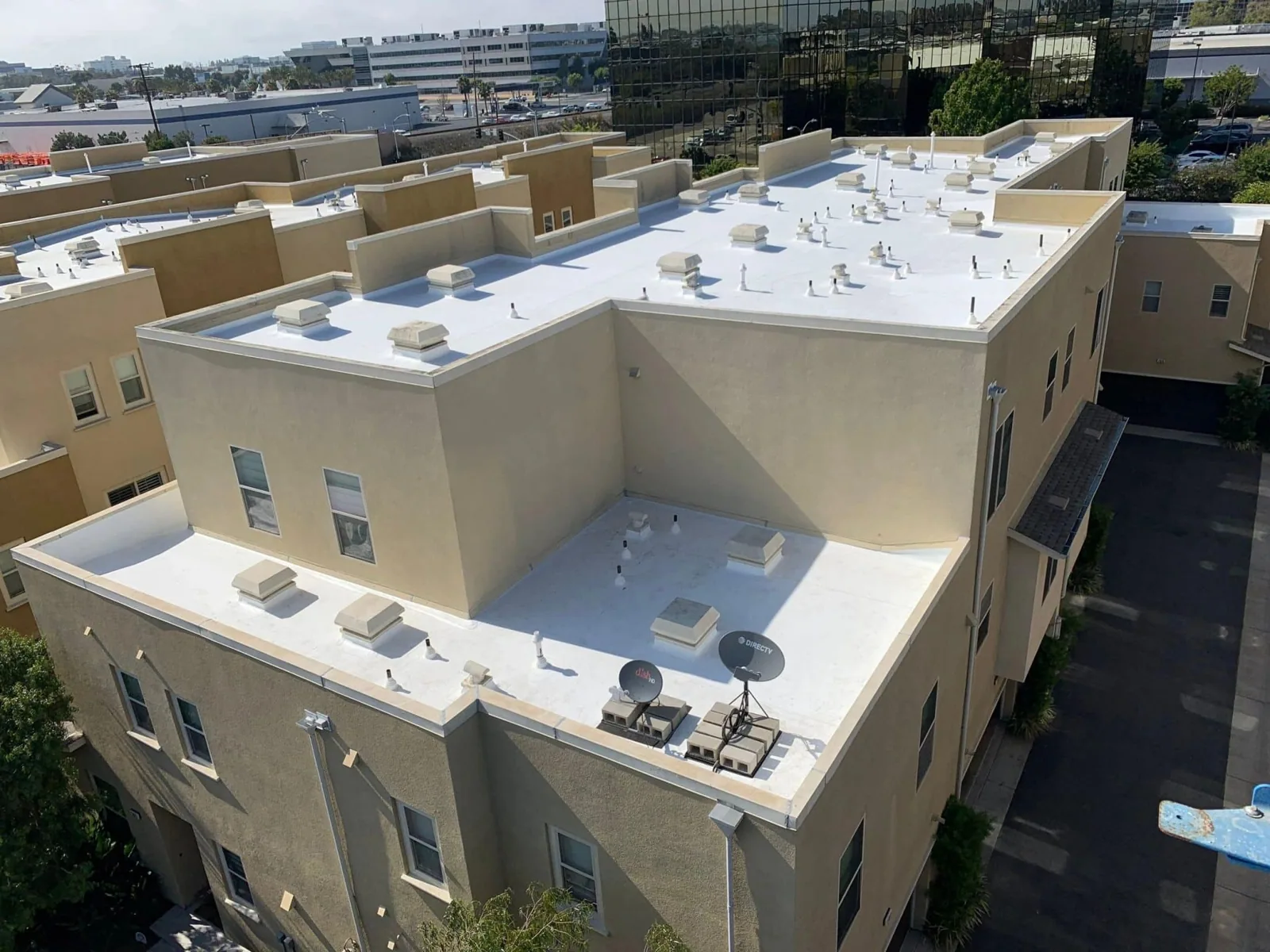
Where rooftop equipment curbs and supports fall inside the repair area, we check the curb, its flashing and the support under the unit. If the unit has to be disconnected, lifted or moved, the mechanical contractor does that, and an engineer reviews any change to the support. We tell the owner what the curb needs before we flash it. A membrane price that looks complete but leaves the curb work hanging only delays the next leak, and it makes two proposals look comparable when they aren't.
Walls and drains need the same clarity. If the wall sheathing behind the base flashing has deteriorated, the wall gets repaired before we install new flashing against it. At a drain, we check the drain body and clamping ring and replace what's needed so the membrane seals. Problems in the pipe below the roof go to a plumber, with an engineer involved for changes to the drainage design. The estimate lists each of these items next to the roof detail that depends on it. That way nobody assumes a roof patch took care of the wall, the drain line and the rooftop unit all at once.
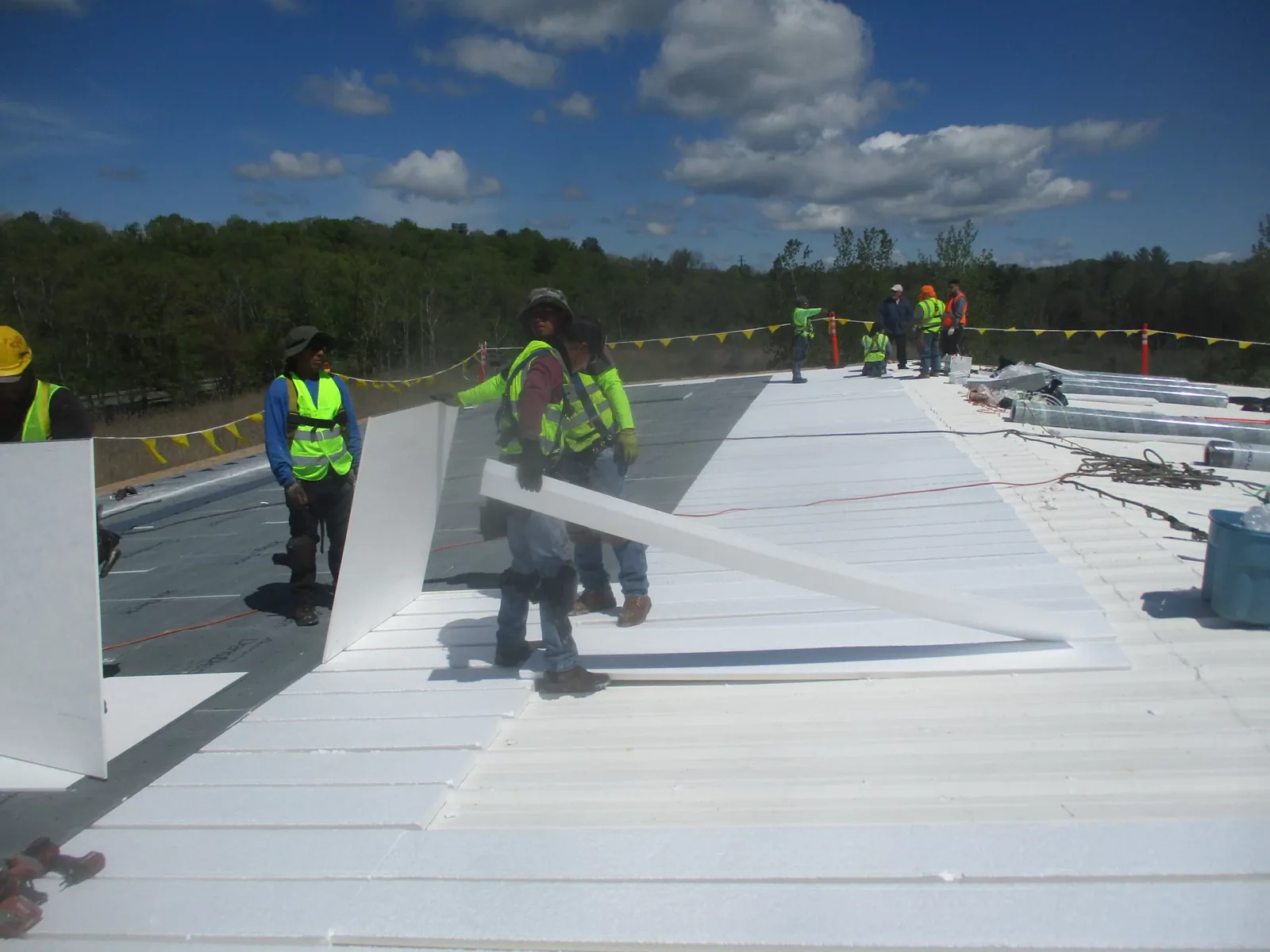
Tear-off over the hangar floor
Opening a hangar roof puts debris and dust over aircraft and equipment. For reroofing an occupied building, we show the owner exactly where we'll open the roof, how material moves on and off, and where the hoist or crane sets up. The hangar staff decide what moves, what gets covered, and when the doors and floor are in use, along with any fire protection or electrical shutdowns. An OK to inspect isn't an OK to tear off, so we confirm the work plan separately. We don't guess at aircraft positions, access or schedules; we get them from the people running the hangar.
Opening the roof can reveal more damage than expected, like more rotted nailer or wet insulation past the planned line. When that happens we stop, dry the area in, show the owner what we found and price the added work. The staff check the floor below the new area before we continue. If we're waiting on another trade to fix a wall or curb, a temporary roof keeps water out until the permanent detail goes on. Every change gets written up once, with the added roofing, the other trade's work and the protection below in the same document.
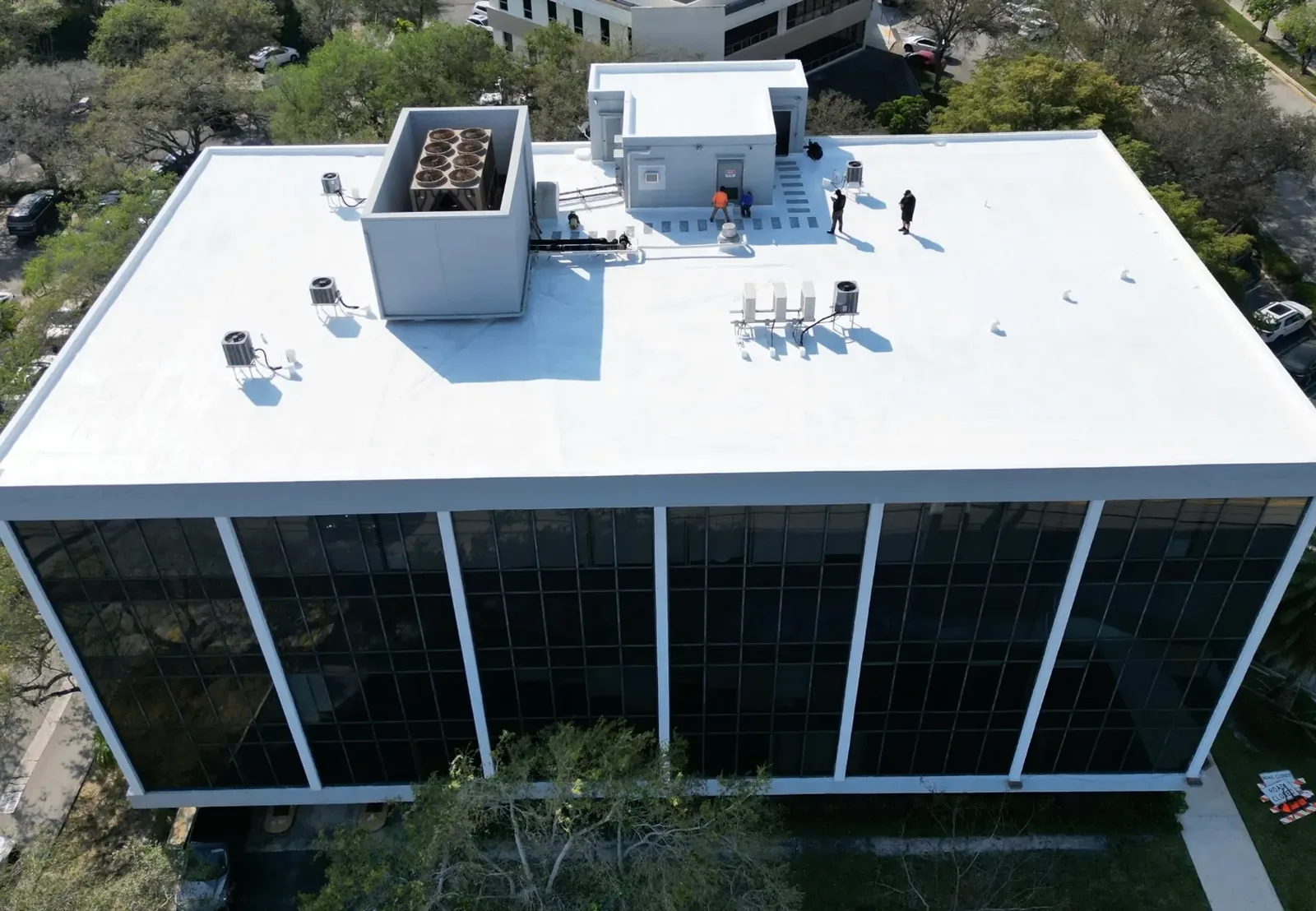
What you get at the end
At closeout, we document the new nailer and edge metal, the membrane removed and replaced, the core cuts patched, and photos of conditions before they were closed up. Open items for the wall, plumbing or mechanical contractor are listed separately from the roofing we finished. Any area that still needs investigating gets its own note and location. A finished edge shouldn't be read as a sign that every other trade's work is done, so the record keeps those items apart. Whoever manages the hangar next can see what was fixed and what's still a question.
For a hangar in the Arlington Municipal Airport area, have the building contact reach out to schedule a visit. Similar edge and attachment problems show up on warehouse roofs, while military hangar and maintenance facility roofs add their own access rules. Each building gets its own inspection and its own scope, and this hangar's repair stays tied to the edge we actually inspected.
Hangar roof work also has to stay clear of aircraft movement, fire protection, electrical systems and the hangar door equipment. Before we open anything, the facility identifies the affected bay, which systems are live, and what restrictions apply to the work area. We then lay out the removal limits, the temporary weather protection, and when the exposed deck and insulation will be checked. If the opening shows damage beyond the original repair, we stop at a safe edge, document what we see, and price the added work separately. That keeps the hangar running while the roof gets fixed with the materials that are actually there.
Common Questions
What do you need to assess a hangar roof?
The building address, a description of the leak or damage, and the person who can give us roof access. The facility staff can confirm any security or airport rules for the visit, and drawings or past repair records help if you have them.
Why does an edge metal repair cost more than the metal?
Because the wood nailer behind the metal is often rotted, and new metal needs solid wood to fasten into. We replace the bad wood, then install the edge and tie it into the membrane. Caulk can't fix a rotted nailer.
How do you protect the hangar floor during tear-off?
We show the hangar staff where we'll open the roof and how material will move. They decide which aircraft and equipment get moved or covered and confirm any fire protection or electrical precautions.
What's still open after the roofing is finished?
Any work assigned to another trade, such as wall, plumbing or mechanical repairs, and any areas we recommended investigating further. We list those separately in the closeout record so they aren't mistaken for finished roofing.
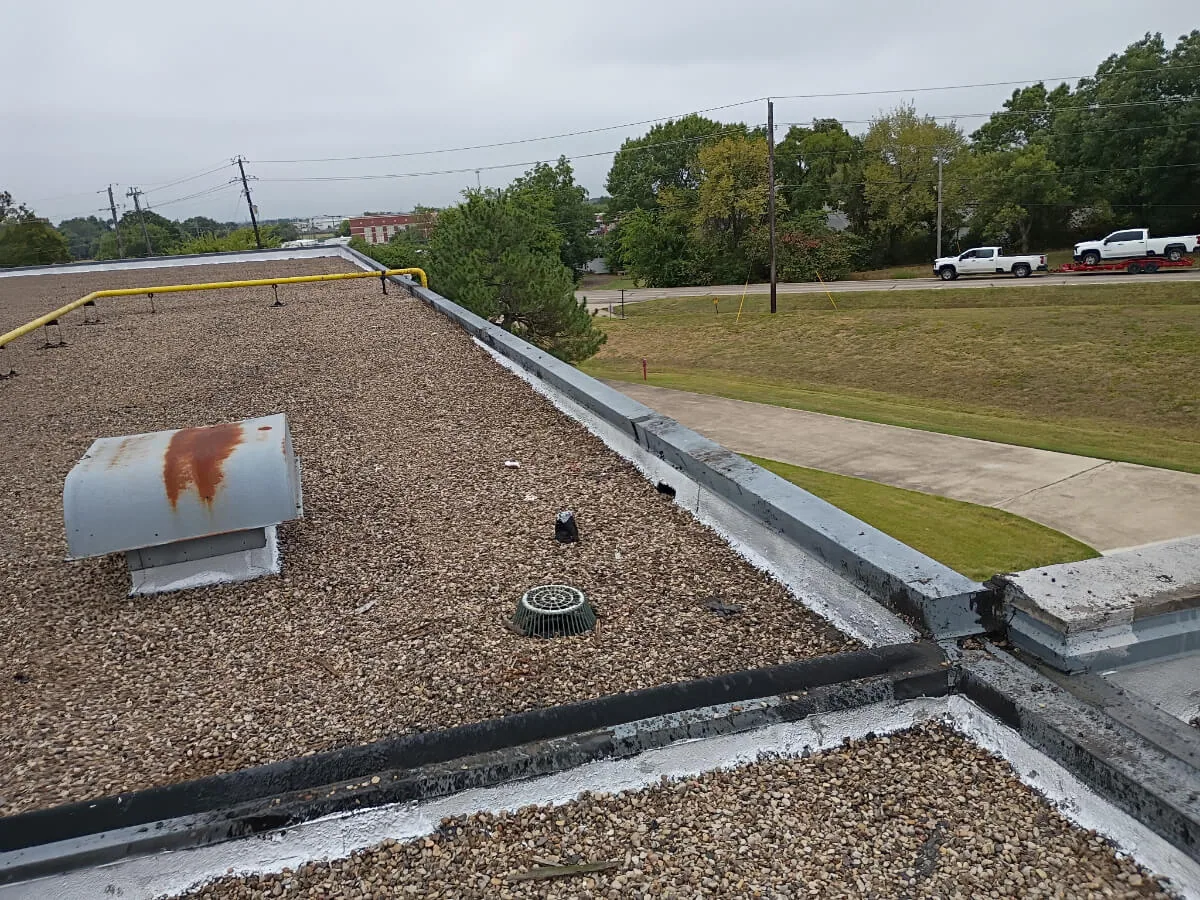
Get the hangar roof edge inspected
Have the building contact schedule a visit. We'll check the edge metal and the wood behind it, explain the repair, and plan any tear-off around the hangar floor.
- hangar roof edge metal and backing examination
- hangar covering repair beside reconstructed roof edges
- hangar roof survey observations and retained material inquiry
- hangar roof component preparation and covering duties
- hangar roof removal with reviewed affected-space preparations
- roof examination for a subject hangar building in the Arlington Municipal Airport area
- warehouse roof support and attachment investigation
- military hangar roof work and supporting contractor duties