
Duro-Last Roofing in Arlington, TX
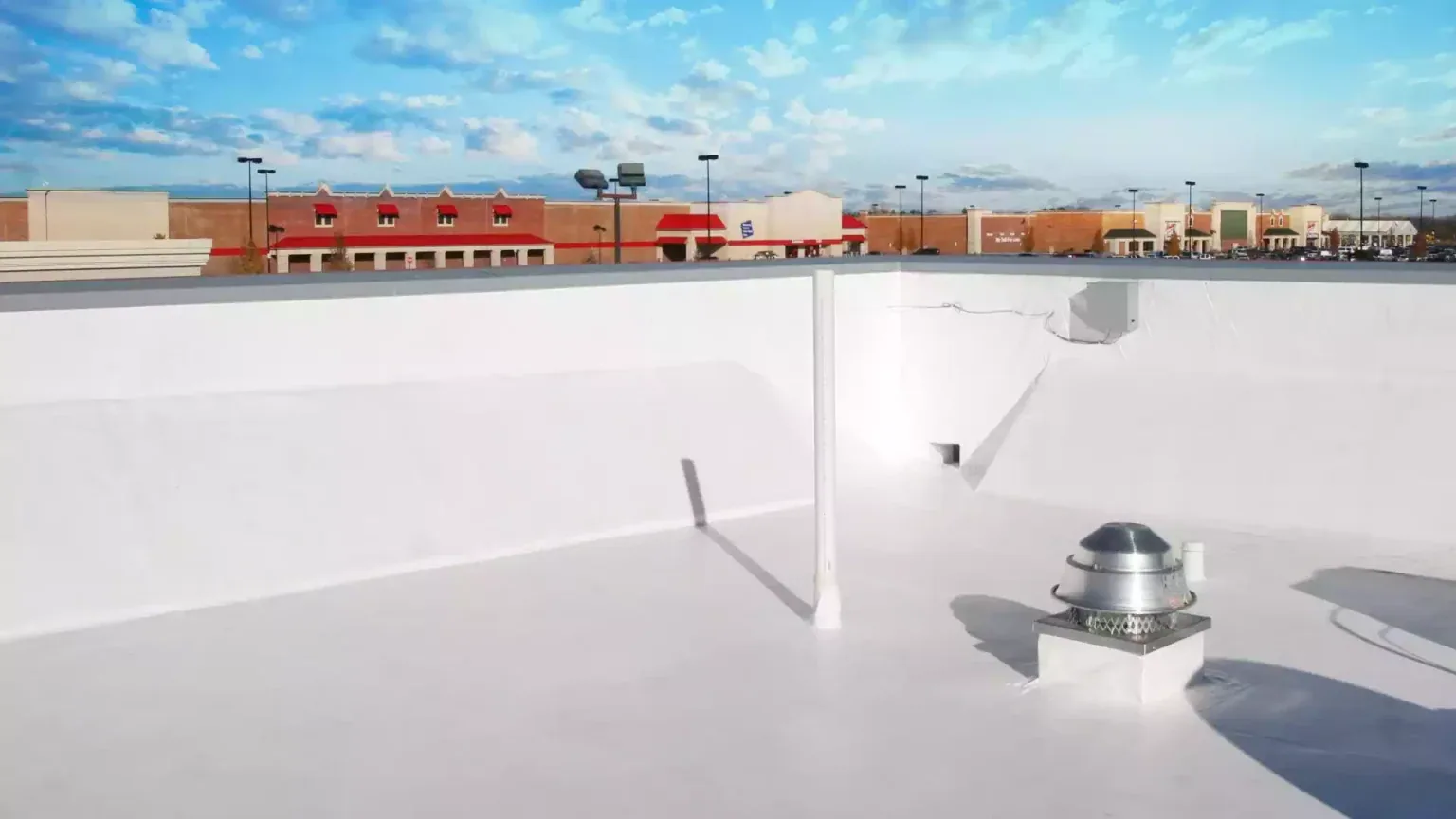
Duro-Last Roofing
Duro-Last roofing in Arlington, TX: we measure the roof, check custom PVC layouts and fabricated accessories, and plan the field seams before anything is ordered.
Hail was reported in parts of Arlington on May 27, 2024, and storms like that are often what gets an owner thinking about a new roof. Duro-Last makes custom-fabricated PVC membrane sheets and accessories, built in the factory to fit a specific roof. That puts a premium on accurate measurements, a good layout and the seams still made on site. A fabricated piece has to fit the roof it's going on.
We serve owners in Richland Hills and Southlake as well, and we confirm the product on every roof area we work on.
Before a Duro-Last layout is drawn, we confirm the roof area and check its dimensions and details. An early plan helps guide the inspection, but new equipment, moved openings or an earlier reroof may mean the field measurements need correcting before fabrication starts.
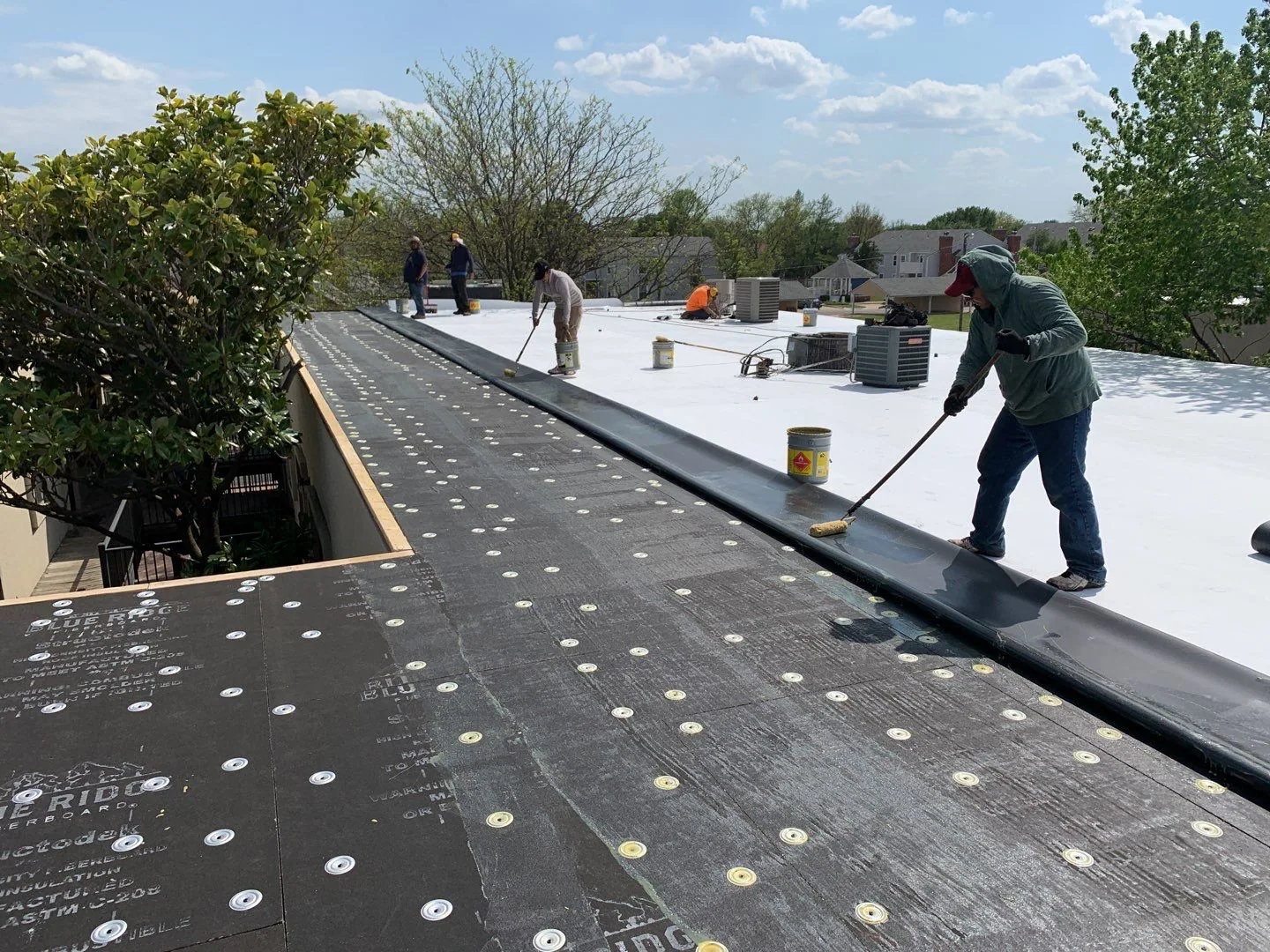
Measurements: settle changes before the layout is released
Custom fabrication moves some decisions earlier in the project. Roof edges, walls, openings and penetrations all need a clear location on the layout. We compare the drawings with what we measure on the roof. Whoever reviews the dimensions should know which reference points were used and which features are still uncertain. Any measurement we can't confirm stays flagged until it's checked.
Roof replacement planning with Duro-Last also has to account for other trades. A new curb or a moved pipe can change a piece ordered from an older drawing. We settle who reports those changes and when the layout gets reviewed again. That prevents arguments later over whether the fabricator or the installer had the latest dimensions.
Each measurement check is tied to the layout revision it applies to, so dimensions can be traced if questions come up.
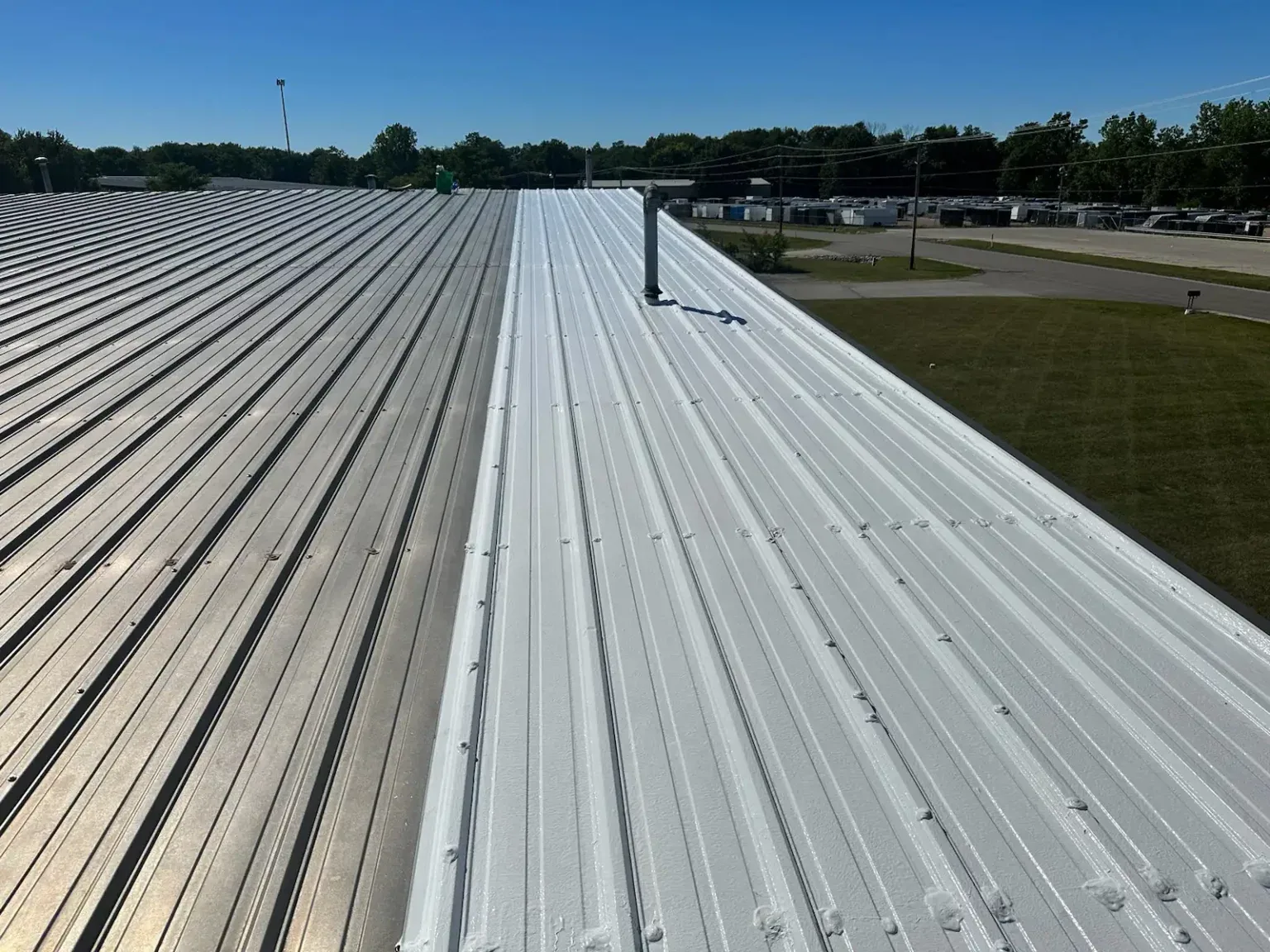
Factory seams vs. field seams
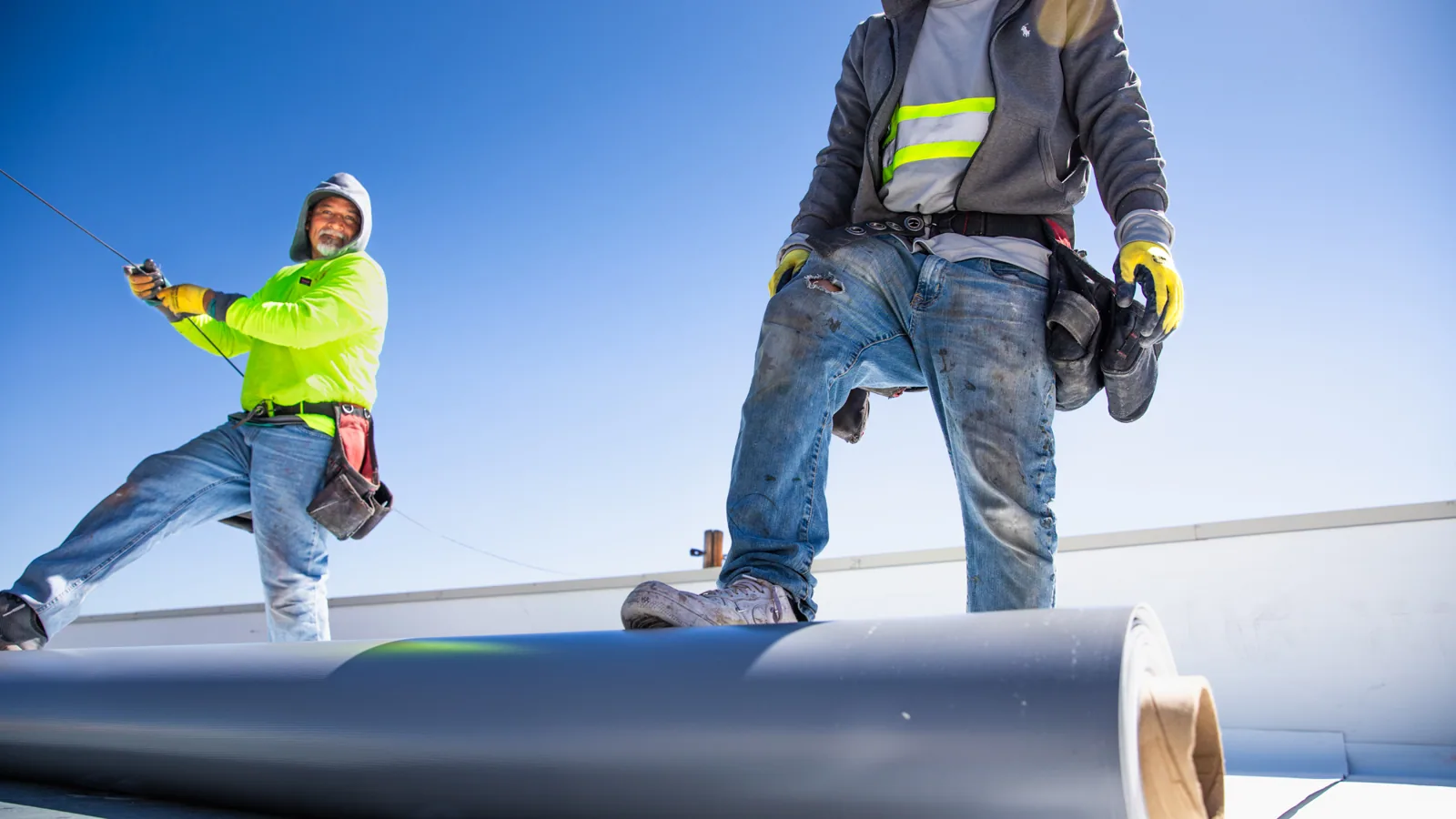
Duro-Last's custom membrane comes with factory-welded seams. Crews still have to weld the delivered sections together and finish the roof details on site. We mark those field seams on the installation layout so the scope doesn't imply the factory finished every joint. Wall transitions, section joins and accessory skirts all need the right installation method at the building.
On a PVC roof like this, the installer should be able to find each field seam without guessing from a rough roof outline. Inspection and photos can then follow those seams as they're made. A proposal should explain what the crew will do on site, along with the fabricated materials it plans to use.
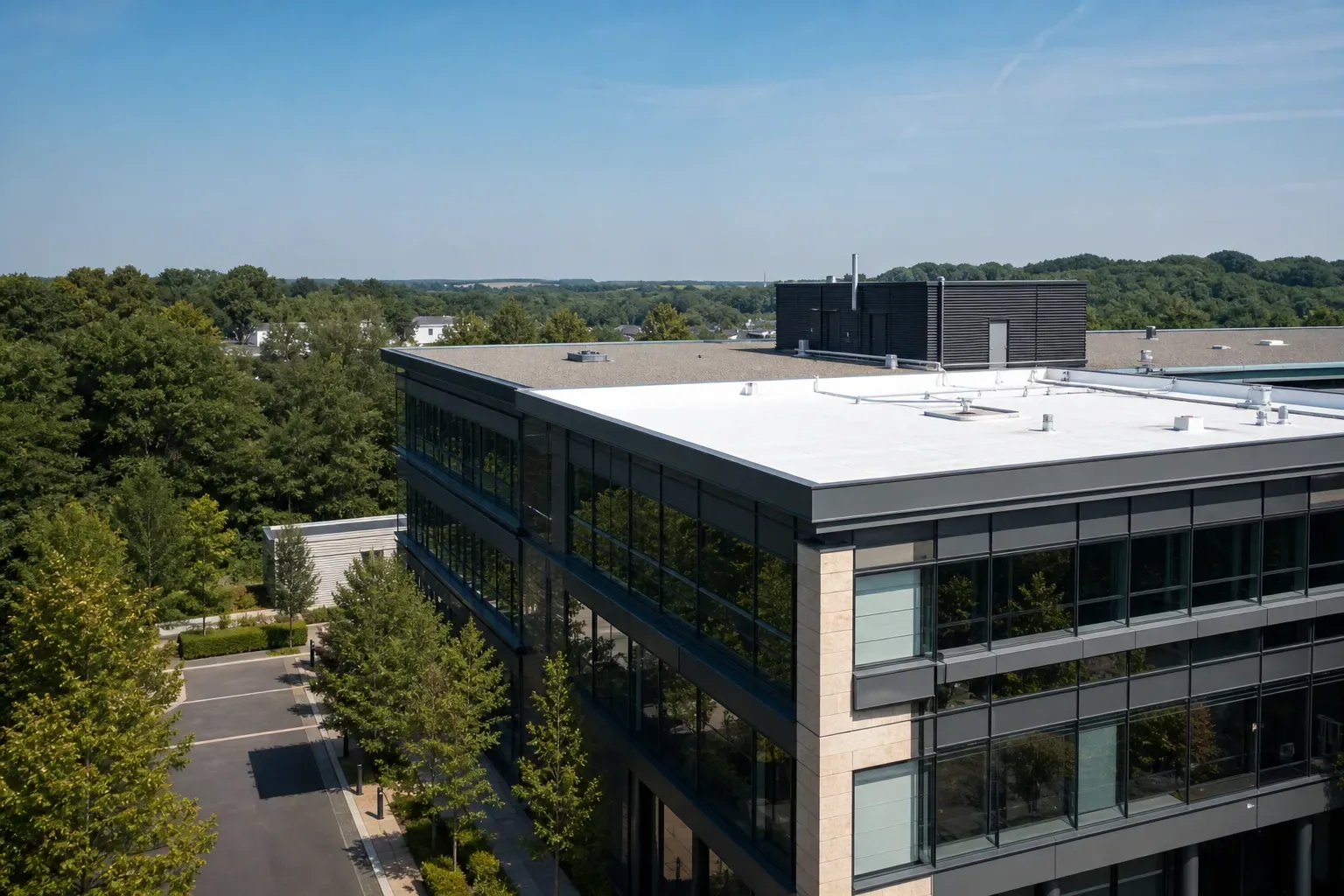
Accessories: check the fit against the roof
Duro-Last offers custom-fabricated accessories for roof transitions, including certain scuppers, collector boxes and flashings with pre-welded membrane skirts. Those pieces arrive partly assembled, but their fit and their tie-in to the roof still need checking on site. We inspect the actual opening and the construction around it before describing a replacement or new accessory.
For roof drains and scuppers, we separate the metal work from the membrane work. An opening that needs repair isn't ready just because an accessory has been picked out. The proposal should spell out any change to the wall opening and how the accessory's skirt ties into the existing or new membrane.
Clearances matter at these details. We check that the piece can be set and welded as intended without another trade's work in the way. If a wall finish or nearby frame blocks access, the proposal says so and explains what has to be done before installation.
Delivery: keep every fabricated piece labeled
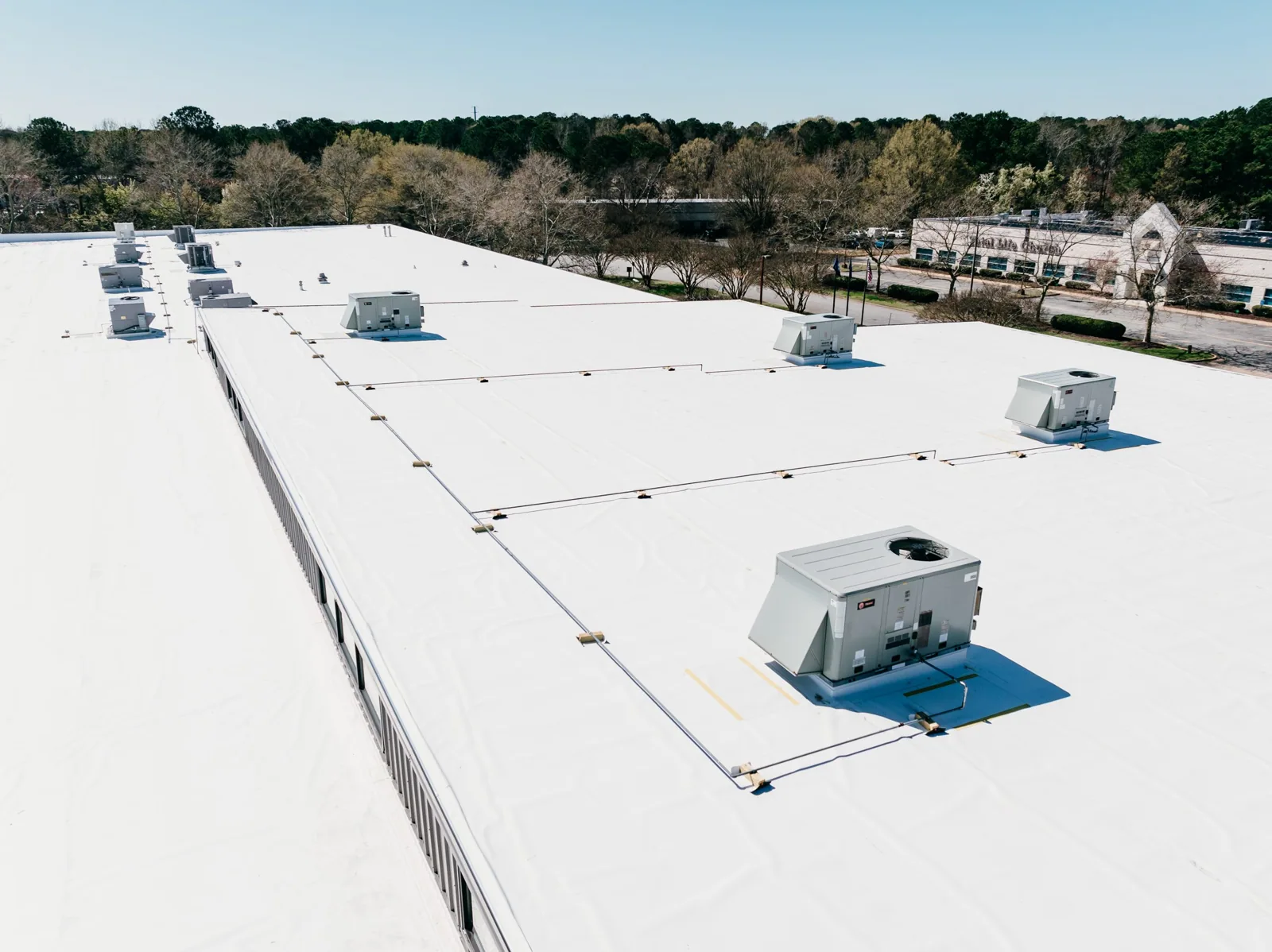
Once the layout is set, the delivered materials have to stay tied to it. Section labels, orientation and installation order help the crew find the right piece. We plan handling and staging around the building's actual access rather than an assumed route, so materials reach the right roof area.
The layout review shows the roof areas in the job and any conditions still waiting on inspection. Equipment access, staging and other trades' work get coordinated before they affect where the fabricated membrane goes.
A revised drawing has to come with an explanation of how it affects the layout. Sending out a new plan doesn't tell anyone whether an already-fabricated piece still fits. We identify the affected piece and get a decision from the right people before the crew tries to make it work.
Existing roofs: repair vs. new fabrication
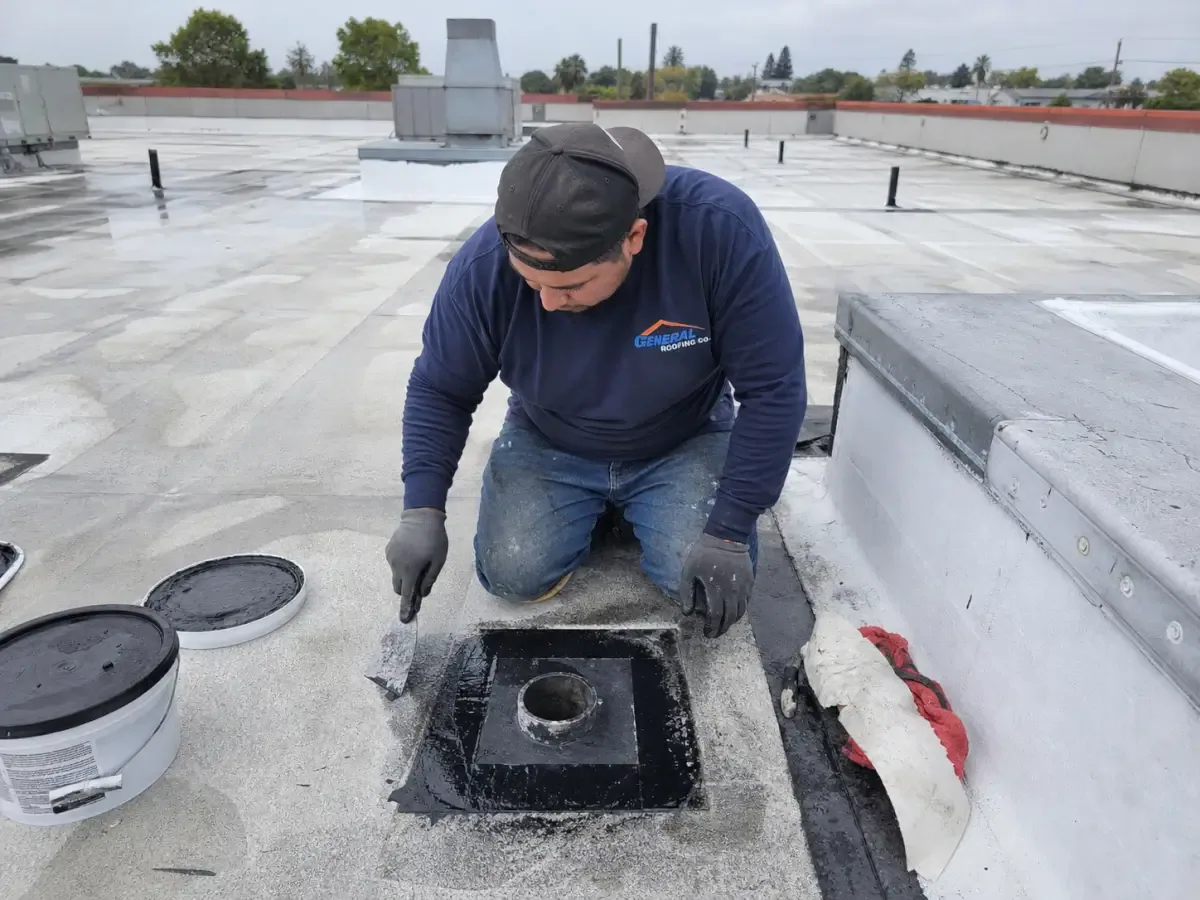
Repairing an existing Duro-Last roof starts with the installed membrane and the detail that needs work. We look at old patches, exposed membrane and any product records before choosing repair materials. If a new area is going to be factory-fabricated, we still have to work out how it ties into the older roof, and that tie-in gets its own description.
A Sika Sarnafil alternative should list its own PVC components and prep. A GAF proposal should do the same for its membrane layout and site details. Then you can compare the actual work at each tie-in instead of assuming two PVC products are interchangeable.
Custom fabrication can reduce some field seams, but it makes accurate field dimensions and coordinated openings especially important. Confirm the current roof geometry, edge conditions, curb locations and drain details before releasing a layout for fabrication. A later equipment or curb change may alter the fit, so keep revisions tied to the affected panel and obtain direction before installing a piece based on an earlier drawing. Separate factory-welded seams from connections that still require field preparation, and identify who supplies metal scuppers, collector boxes or other prefabricated accessories in the chosen scope. For repair work, first establish whether the existing sheet and accessory can accept the proposed detail. Retain approved shop drawings, field measurements and installed-panel references with the closeout record. The next crew can then identify what was prefabricated and which roof transitions still depend on field-built work.
Closeout: keep the layout that was installed
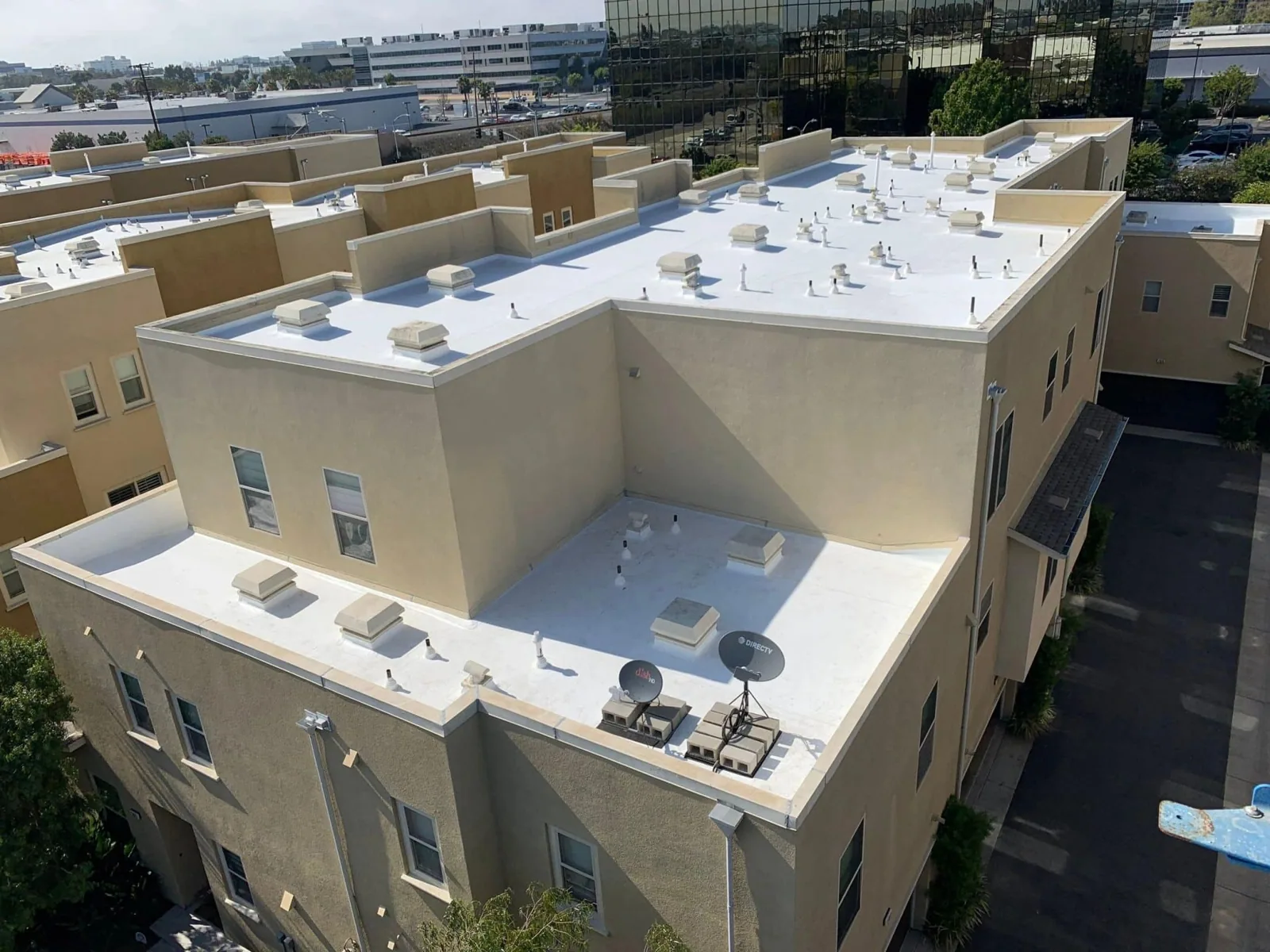
The closeout should match the finished roof to the layout actually used. Section locations, material labels and finished field details stay together. If the layout changed after the first measurement, the final record shows where each piece really went, so a later repair can find the right seam. Marking an outdated drawing as final would send the next contractor to the wrong spot.
For Duro-Last roofs in Downtown Arlington and nearby, we keep photos of the seams and accessories with their locations. The record separates old patches from new fabricated work and shows which pieces were corrected. Anything referred for more investigation is listed clearly so the owner can assign the next step.
Common Questions
What needs checking before custom Duro-Last sections are fabricated?
Roof dimensions, openings, penetrations and the layout itself. Any changes by other trades, like a new curb or moved pipe, need to be reported before the affected pieces are released for fabrication.
Does custom fabrication mean every seam is welded at the factory?
No. The crew still welds the delivered sections together and finishes the details on site. The installation plan should show where those field seams are and what work they need.
Why does a pre-made scupper still need a site check?
The wall opening, the construction around it and the membrane it ties into all have to fit the accessory. A pre-made piece can't fix a bad opening on its own.
What if the roof layout changes after ordering?
We identify the changed area and the fabricated pieces it affects, then work out fit and tie-in with the fabricator and owner before anything is installed.
Which drawing belongs in the Duro-Last closeout?
The layout that matches the sections and details actually installed. If anything changed along the way, the final record shows the real positions for future inspections.
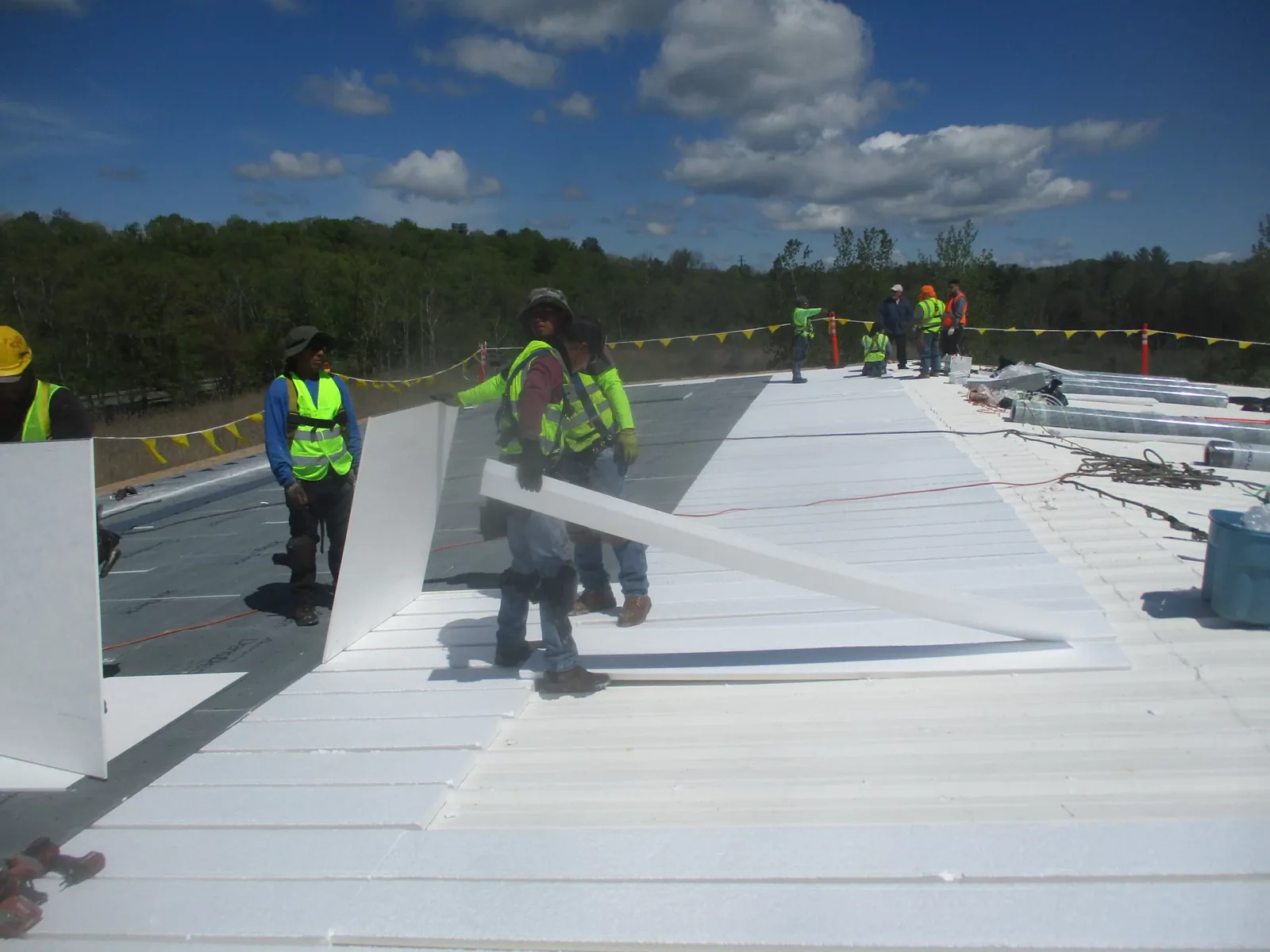
Get your Duro-Last layout reviewed
Send us your Arlington roof drawings and any planned changes. We'll check the measurements, the fabricated pieces and the field seams the job needs.
- Duro-Last replacement planning with measured sheet areas and connecting details reconciled
- Duro-Last PVC review separating fabricated sheet seams from site-installed connections
- Duro-Last scupper assessment checking the opening and accessory connection before ordering
- Sika alternative comparing its PVC repair detail with the proposed Duro-Last connection
- GAF comparison showing its chosen membrane layout and site detail responsibilities
- downtown Arlington Duro-Last work linking measured sections with installed field connections