Solar-Ready Roofing in Arlington, TX
Solar-Ready Roofing
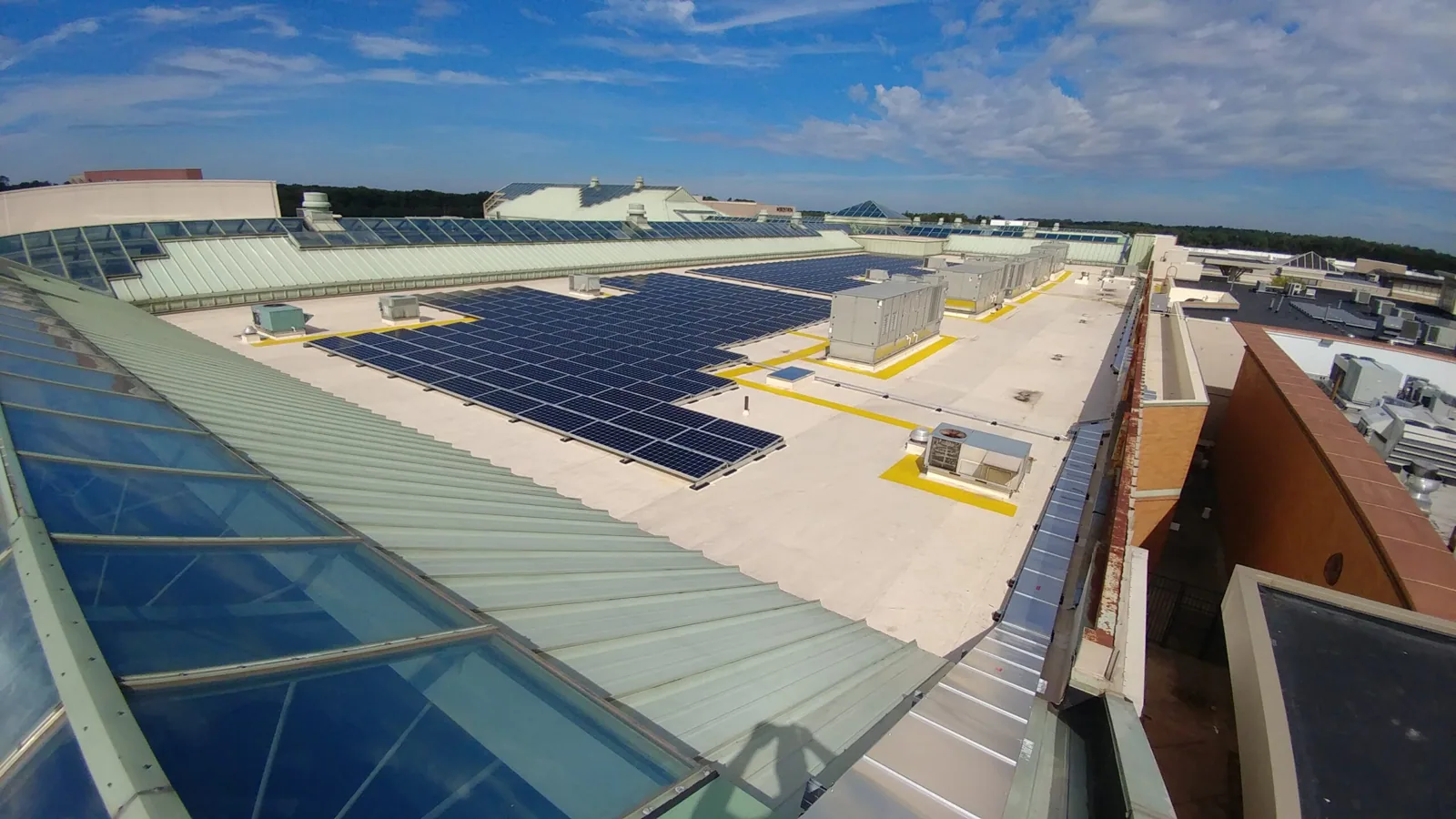
Solar-ready roofing in Arlington, TX. We check the roof before panels go up, plan supports and flashing with your solar team, and keep roof and solar work clearly separate.
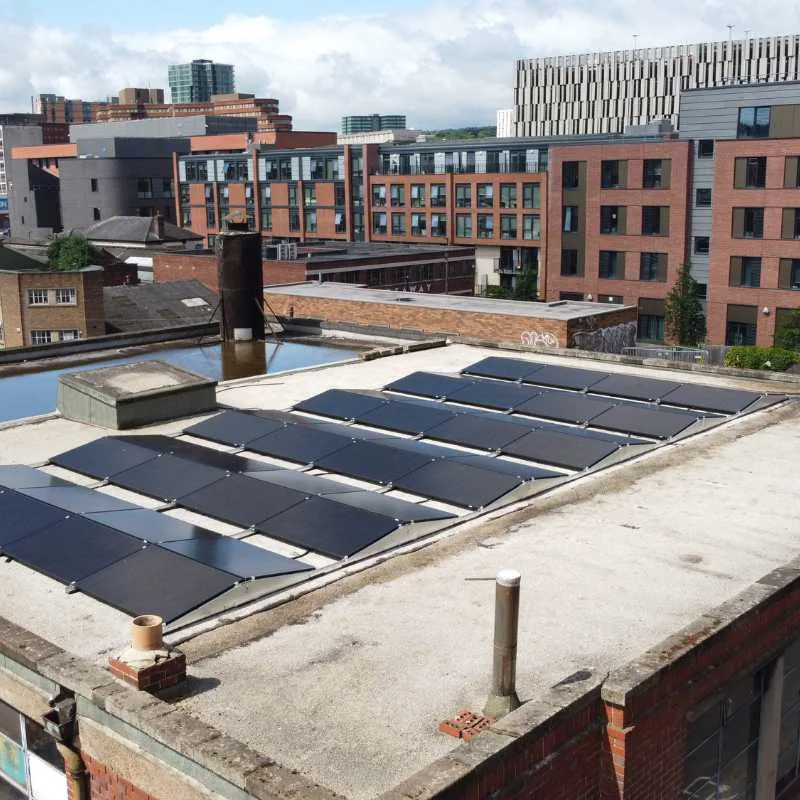
Arlington summers are long and hot, which is one reason building owners look at solar. But before an array goes up, the roof under it needs its own review. Solar-ready roofing in Arlington, TX means checking the existing roof and figuring out how the panels, racking and conduit will affect the supports and flashing. You need a clear roofing scope alongside the solar scope, so neither contractor assumes the other is handling the roof connections.
Your building contact sends us the proposed array areas, the solar layout and any roof records. We inspect the roof and flag material questions that matter for the project. Then we lay out the prep and curb or support work, while the structural engineer and solar installer confirm their own requirements before any permanent roof connections are designed.
If you also own buildings in Hurst and Kennedale, each one keeps its own inspection and repair records.
Check the roof before the panels
Product records, drawings and past repair invoices help describe the roof. We compare them with the areas where panels would go and note old patches, coatings and visible problems. If the layers underneath affect the plan, we check them instead of assuming the top membrane tells the whole story. The report shows where we looked and what's still open.
A roof inspection before the solar project gives you that baseline. It also flags anything that needs a structural or curb review before a permanent detail is set. You'll know what has to be repaired or investigated before the roof is ready for panels. That way the solar proposal is reviewed against a real roof record, not a roof nobody has checked.
Where the solar meets the roof
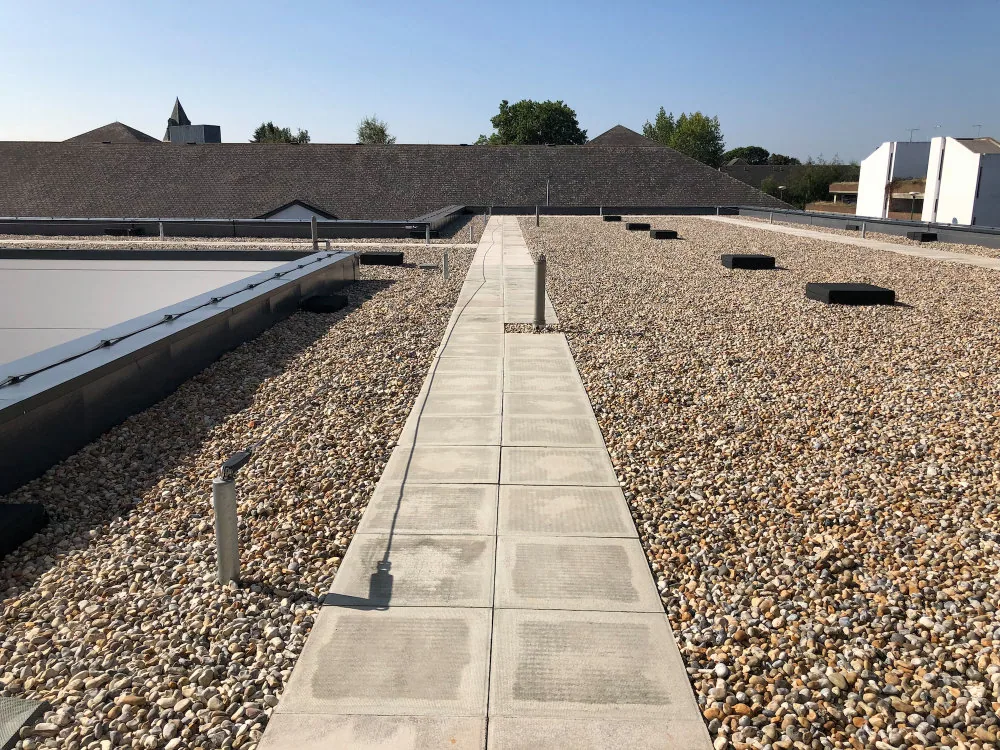
The solar layout should show every place the system touches the roof: racking supports, conduit runs and any penetrations. We review those with the solar installer and structural engineer. Their requirements need to be settled before we choose the roofing details. A general array drawing shouldn't leave you guessing which roof connections need attention.
We list the membrane work at each of those spots and note where another trade's work comes first. The report separates solar equipment questions, structural questions and the roofing prep needed for each detail. That lets you schedule the right reviews in the right order. If a connection is still undecided, we keep it listed as open before choosing a permanent method, so the crew has a clear scope for the work actually planned.
Supports and curbs
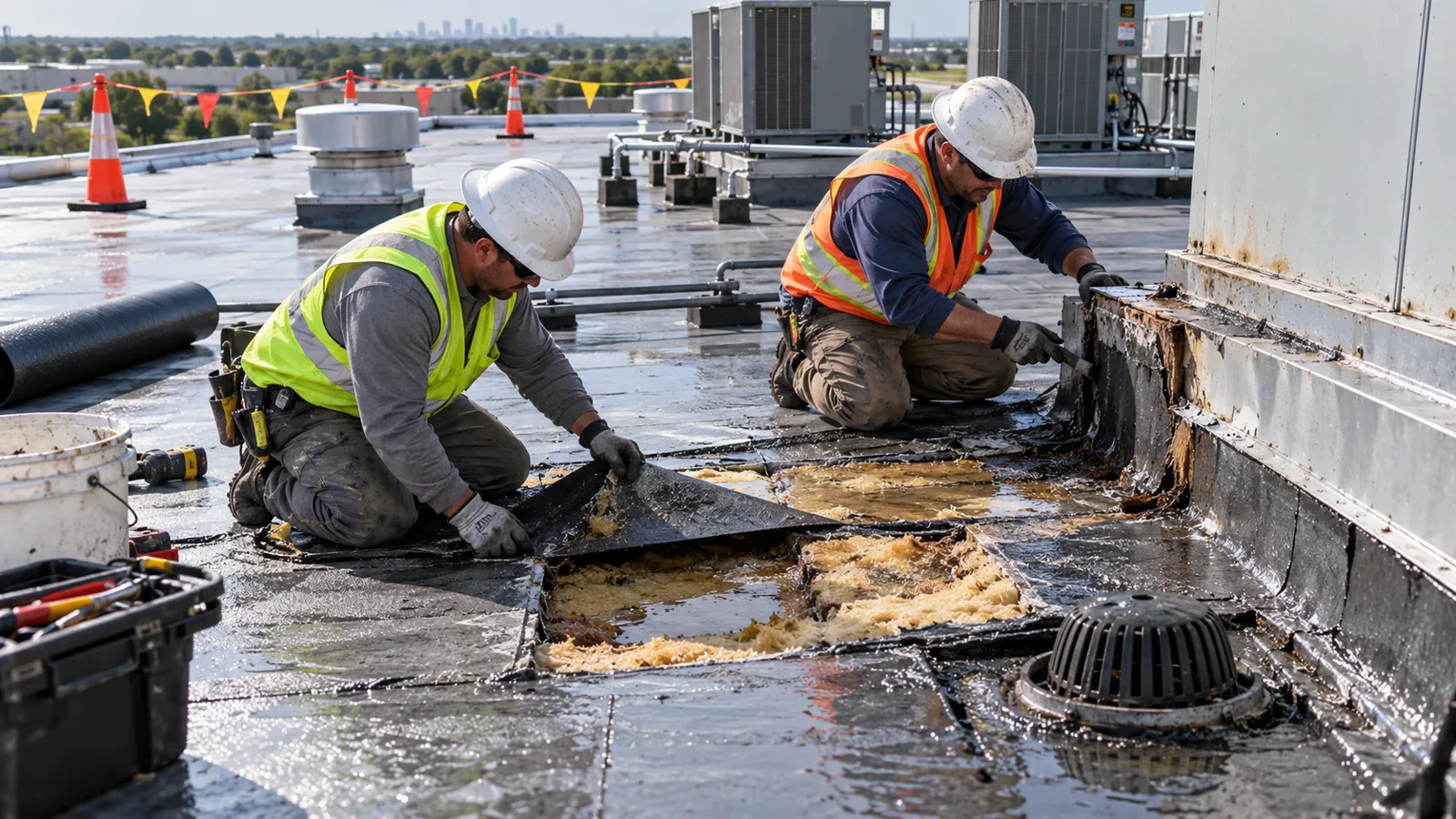
Each roof detail needs solid support and sound curbs. We check what we can reach and note where an engineer or the solar installer needs to weigh in. If a curb or support has to be fixed first, it's listed next to the membrane work. That way you can plan the schedule without assuming the roofing price covers every support or racking task.
Our rooftop equipment curb and support work handles those connections. We separate material questions from structural repairs. If we need to open something up to check it, we agree on why and how it'll be closed first. The permanent flashing then goes on over sound construction, with unfinished solar or support tasks still listed instead of hidden under new flashing.
Matching details to the membrane
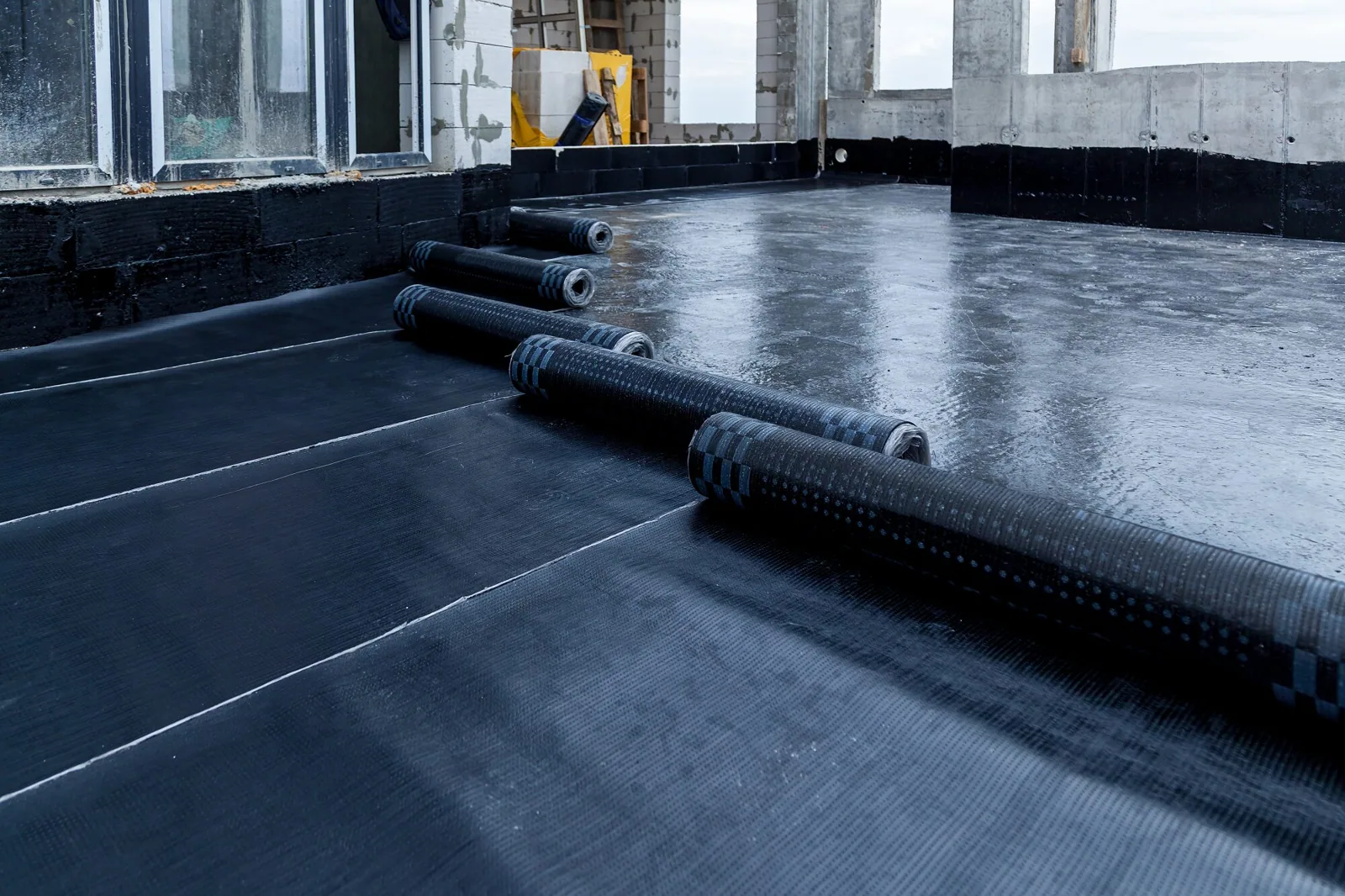
The existing membrane and any old repairs need to be identified where new supports and flashings tie in. We map where patches and coatings start and stop and confirm anything we're unsure about before choosing the prep. The repair method should match the specific membrane. Knowing the roof is "single-ply" isn't enough to design a connection.
A TPO roof needs its specific product confirmed and clean, weldable membrane at each solar support. A PVC roof has its own welding and flashing requirements around the same details. We explain which membrane stays and what each new detail ties into. The estimate includes cleaning, removal and any testing needed, with material questions settled before the price assumes the surface is ready.
Replace first, or not?
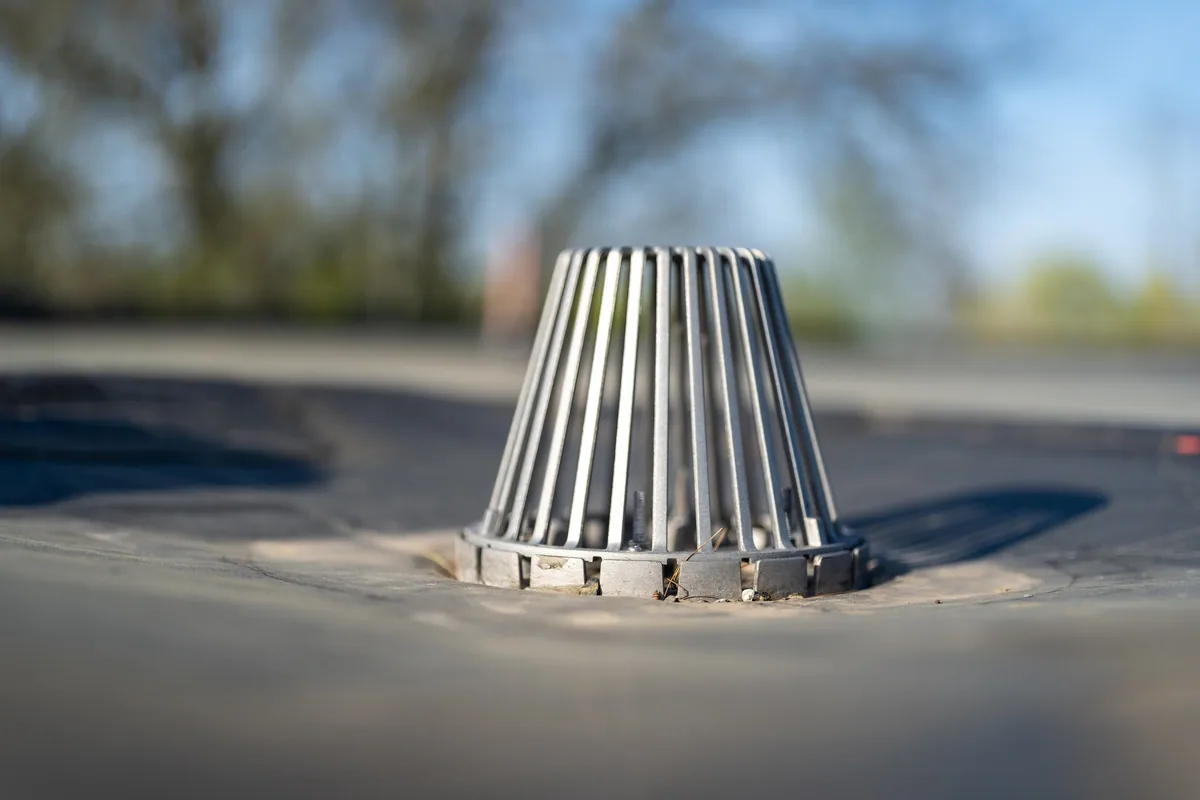
The roofing and solar work need to be planned together. If the inspection shows an area needs replacement, it makes sense to look at tear-off and new details alongside the solar plan, so panels don't go on a roof that will need replacing soon. Existing layers, support repairs and nearby curbs all affect that order. We describe what our crew does and what the other trades have to finish first.
A roof replacement can be scoped side by side with the solar plan. Penetration flashing work covers conduit and other individual openings. We keep those scopes separate so you can see where each one starts and stops. Energy savings, solar output and contract terms get their own review; our report covers the roofing materials and construction we found.
"Solar-ready" should describe a roof that's been planned for panels, not a promise that an array can go up without more engineering. The equipment layout, attachment loads, walkways, conduit penetrations and service clearances should be confirmed with the design team before the roof details are finalized. The roof scope can name membrane-compatible supports and who flashes what, but structural capacity and electrical design need the right professional review. If the roof is being replaced first, plan the attachment locations into the project so a later installer doesn't cut avoidable holes through brand-new roofing. Warranties and owner approvals should match the installed system and the manufacturer's instructions. At closeout, keep the roof plans, product data and photos of the prepared support locations. That gives the solar contractor useful information while keeping roofing, structural and electrical work clearly separate.
Keeping the roof record through the project
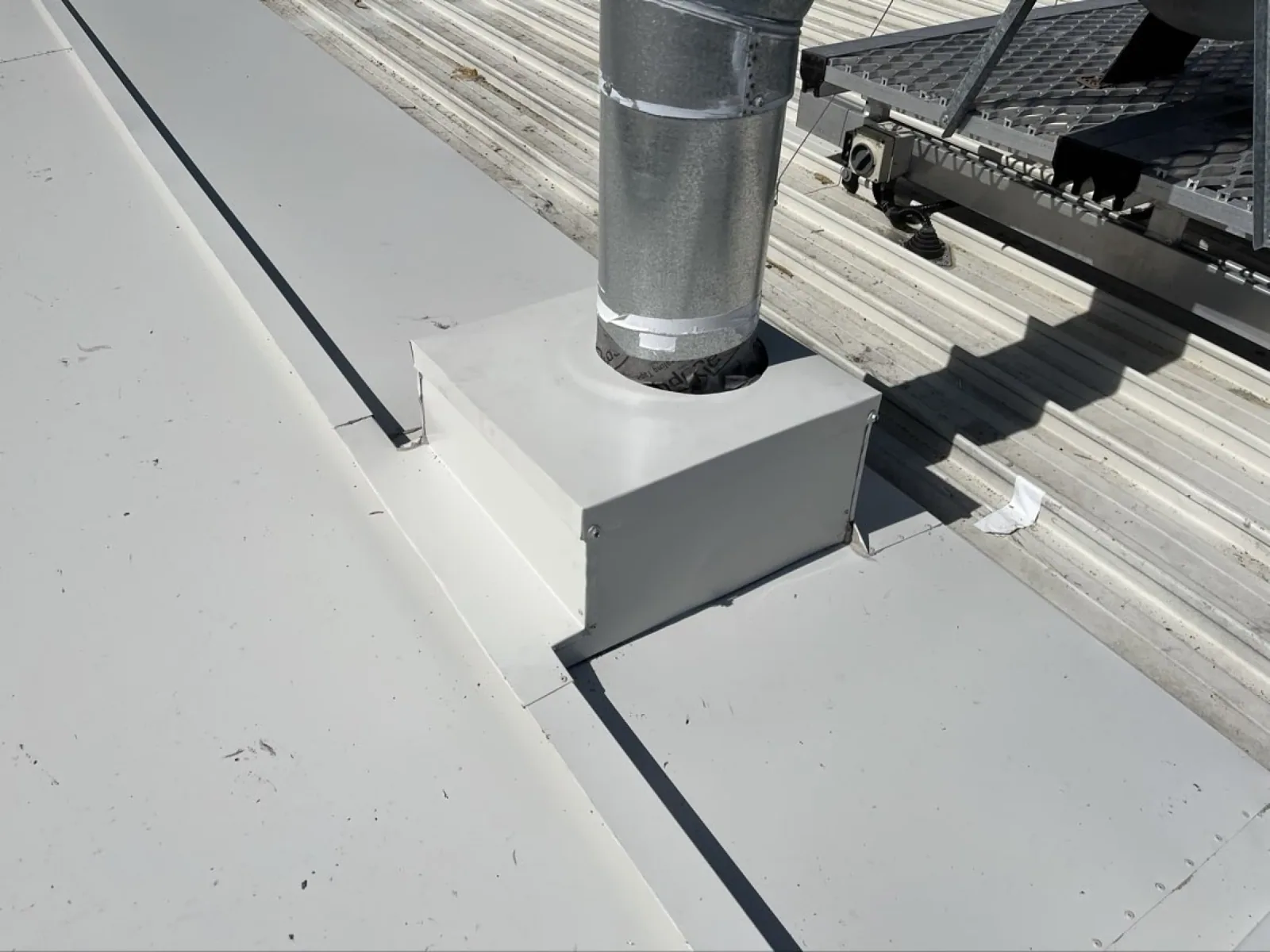
Have your building contact mark the proposed array areas and send the solar layout and roof records. We inspect the roof and describe the prep questions that affect each detail. The solar installer and engineer review their own support and equipment requirements for the project.
For solar-ready roofing in downtown Arlington, the closeout record names the roofing product and where the work was done. We document the prep and any open questions next to each finished connection. A later contractor can see what's really under the panels instead of guessing from a solar layout. You keep a practical roof record for the next phase and for any remaining support or flashing tasks.
Common Questions
What roof information should go with a solar layout?
Product records, drawings and past repairs for the array areas. Our inspection then identifies the roof conditions and details the solar project needs to plan around.
How are solar supports kept separate from the roofing work?
The structural review or support repair is listed on its own, with a note on when it has to happen. The roof flashing goes on only after the support is confirmed and the membrane requirements are met.
When should roof replacement be considered before solar?
When the inspection shows the roof, or part of it, needs replacement. Planning tear-off and new details alongside the solar layout avoids removing panels later to reroof.
What should the roofing record keep after the solar project?
The installed materials, the prep and the flashing details at each connection. Open support, equipment or product questions stay listed for the next contractor.
Get the roof ready before the panels
Send your Arlington roof records and proposed solar layout. We'll inspect the roof and lay out the prep and flashing work the project needs.
- roof examination identifying material and detail concerns before the equipment project
- support and curb review defining component duties before roofing preparation
- TPO project review identifying the sheet and preparation at equipment-related details
- PVC roofing assessment defining retained material and adjoining connections
- replacement review defining removal and new roofing duties beside the equipment proposal
- penetration preparation assessment establishing component and flashing requirements
- downtown Arlington equipment-ready roofing with material and component duties recorded