
Cool Roof Installation in Arlington, TX
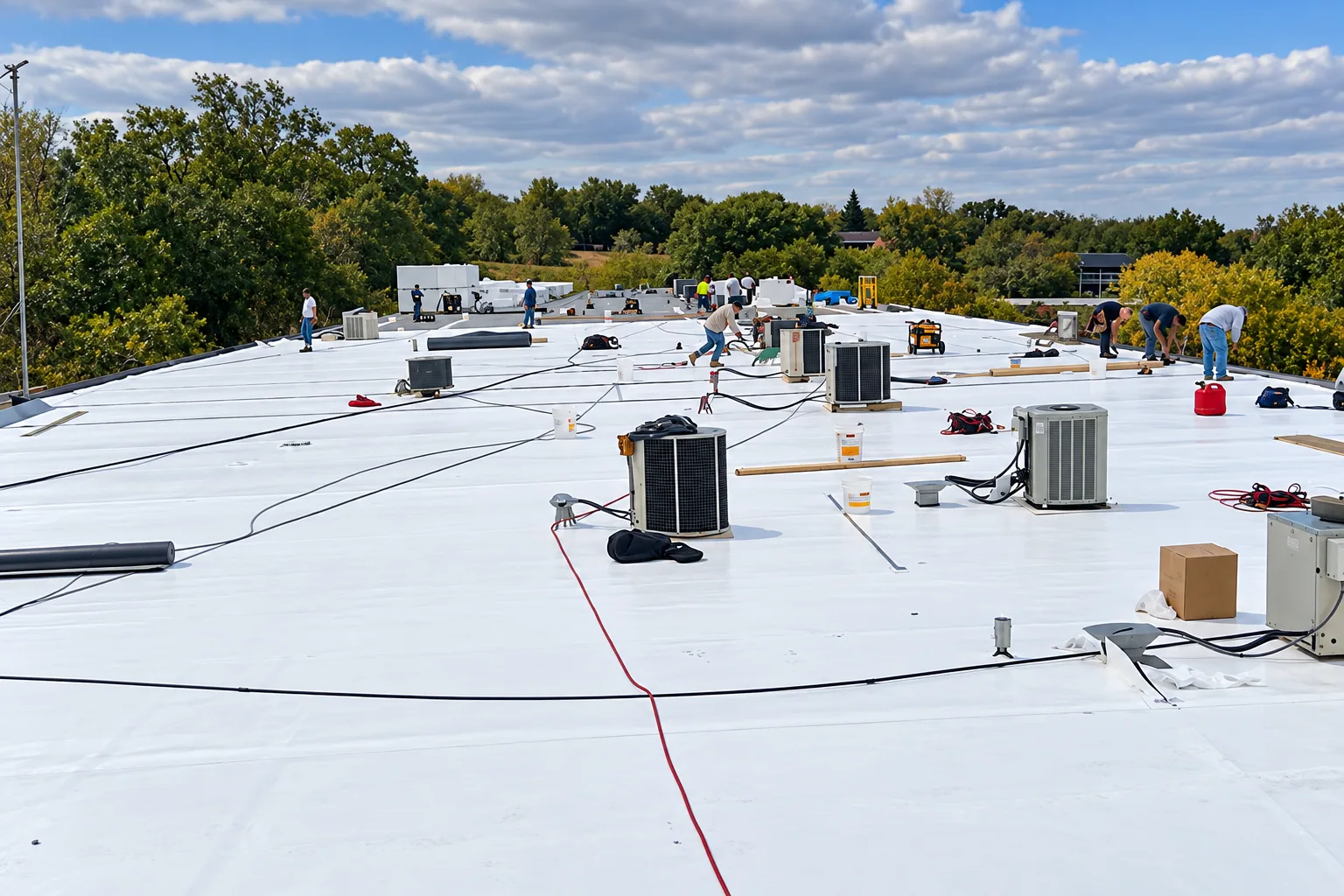
Cool Roof Installation
Cool roof installation in Arlington, TX. We confirm the product's reflectance ratings, check the existing roof, and price the prep and flashing work up front.
Anyone who has been on an Arlington roof in July or August knows how much hotter it is than in winter. A white, reflective roof can cut the heat a roof absorbs, but how much it helps depends on the product, the building and how the roof is put together. Cool roof installation in Arlington, TX starts with picking a specific product and a real scope, including the existing layers, the insulation and the flashing work it takes to finish the job properly.
If you own buildings in Colleyville and Fort Worth too, we keep each roof's plan based on its own inspection so you can compare scopes on material, access and repair needs.
Drawings and product records for your current roof help us plan the inspection. That inspection tells us what's up there and what prep the new product will need. We sort out any open questions before we specify the cool roof system for your building.
What reflectance and emittance mean
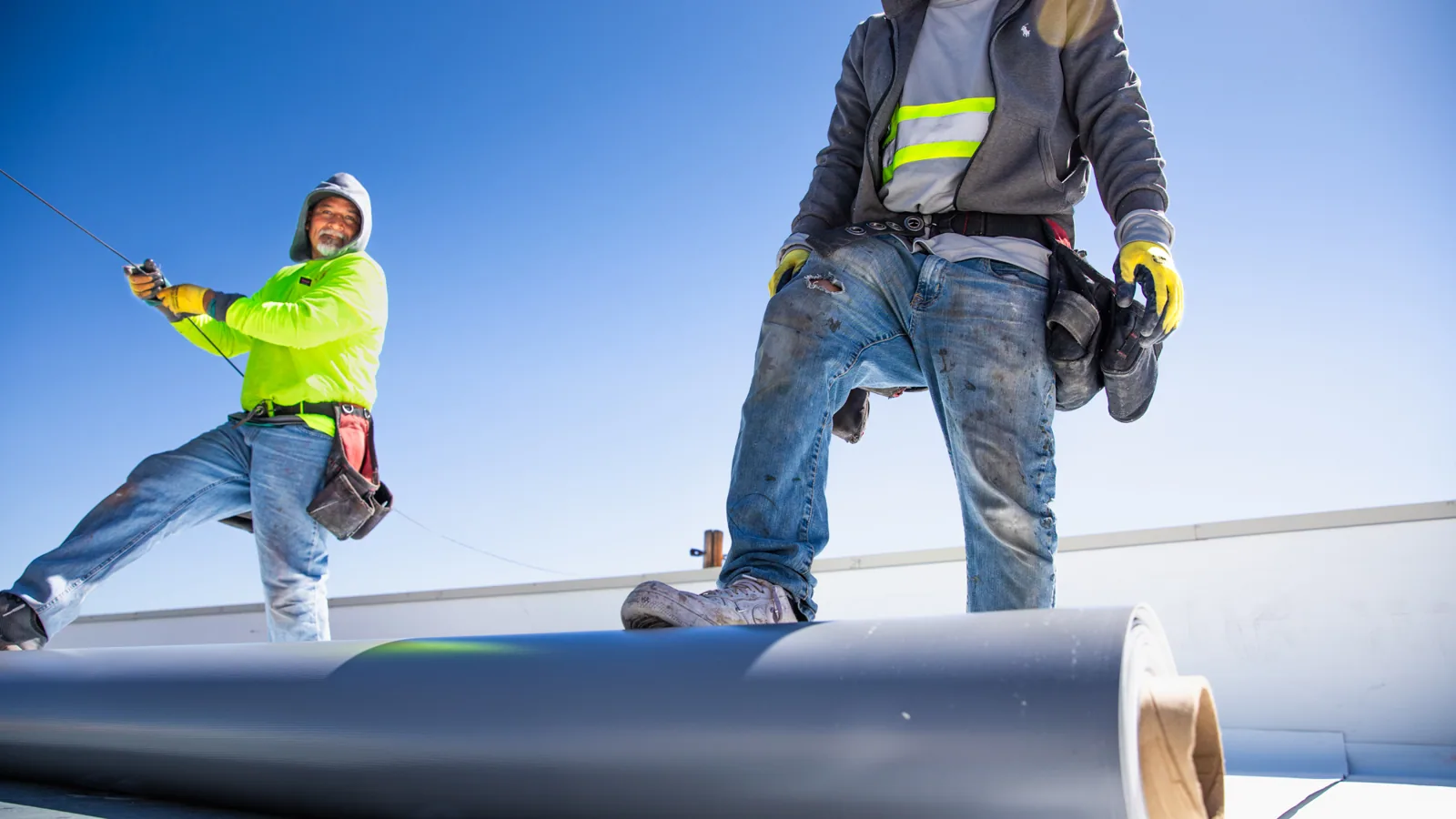
Solar reflectance is how much sunlight the surface bounces back. Thermal emittance is how well the surface sheds the heat it does absorb. They're two different ratings, and both matter. But neither one tells you which membrane to use, whether the existing roof can stay, or how to flash a wall or drain.
We ask which product you're considering and what you need it to do, whether that's a code or program requirement or just a cooler building. You can't tell a roof's ratings just by looking at it, especially an old membrane or coating nobody can identify. You'll see the product and the work scope together. Energy savings, rebate or program paperwork, and payback math need their own review. We won't promise a dollar figure based on Texas summers or the word "cool" on a product sheet when nobody has looked at your actual building.
Checking the existing roof
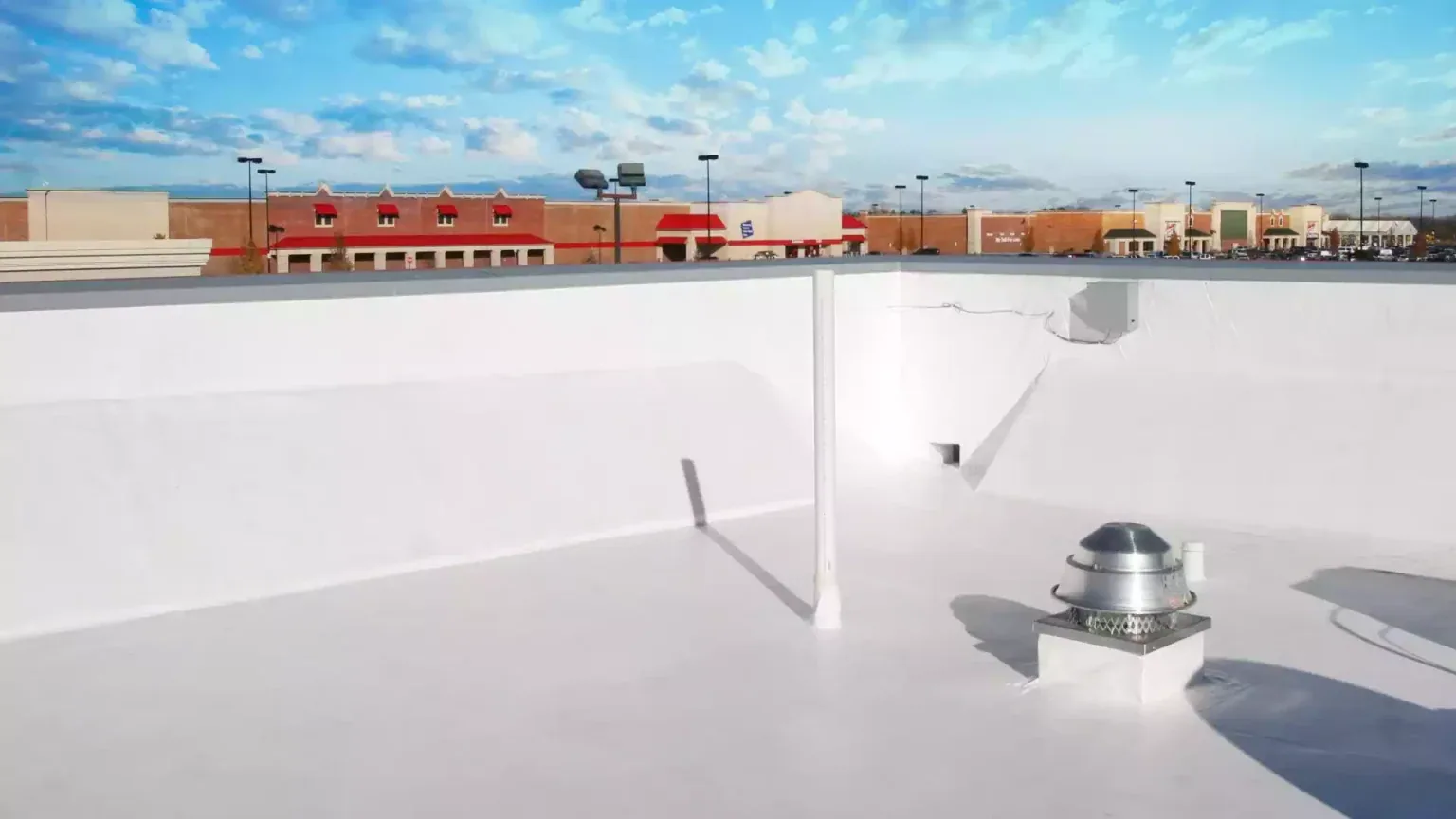
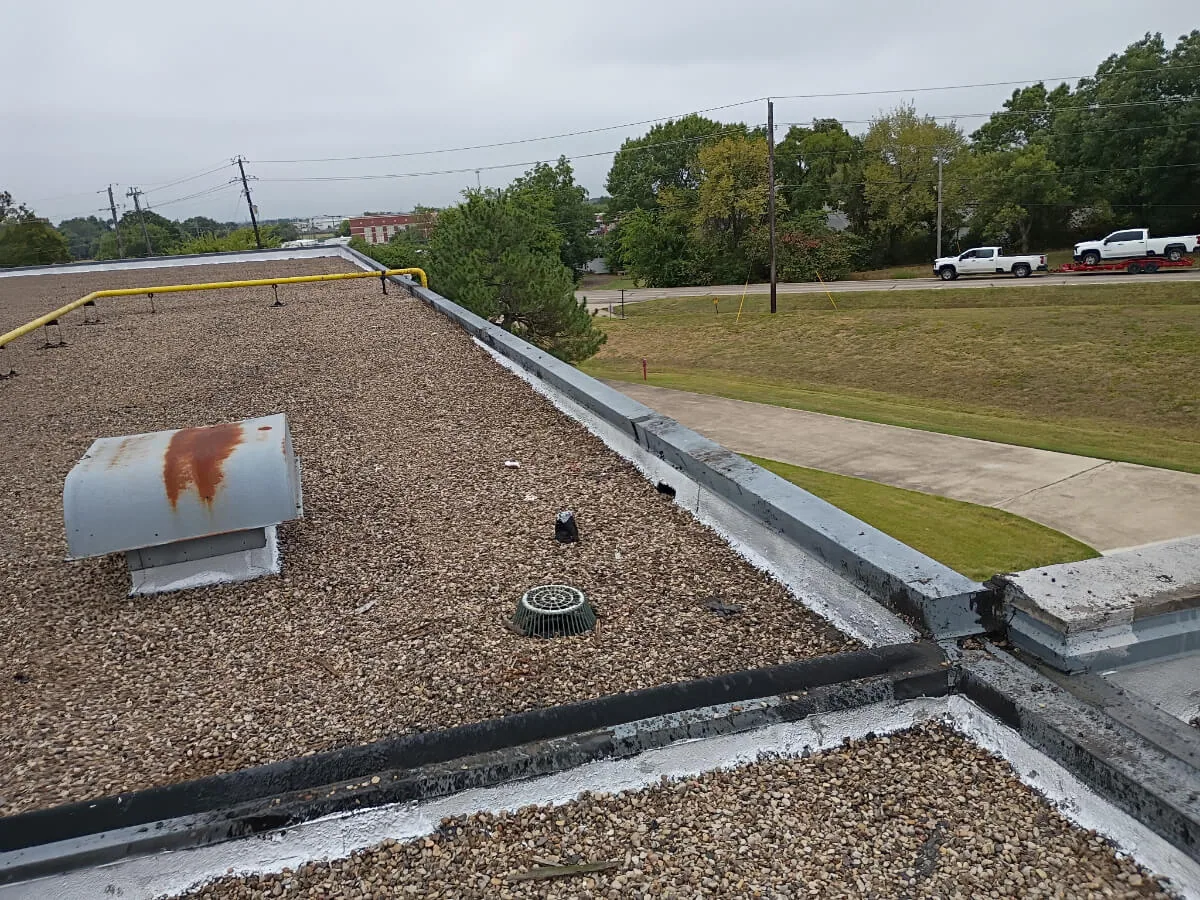
We look at the exposed membrane, its condition, and any old patches or coatings where the new work will go. Records help us understand the layers underneath, but we confirm what's really there wherever it affects the install. If part of the roof hasn't been checked, we say so and explain how we'd check it, rather than assume a new surface can go over everything.
A roof inspection before choosing a cool roof gives you that starting point. If the plan is to leave existing layers in place, a roof recover assessment checks whether they're dry and sound enough to stay. Each gets its own findings, so you know what's confirmed and what we're still assuming before we set the prep and install requirements.
Membrane or coating?
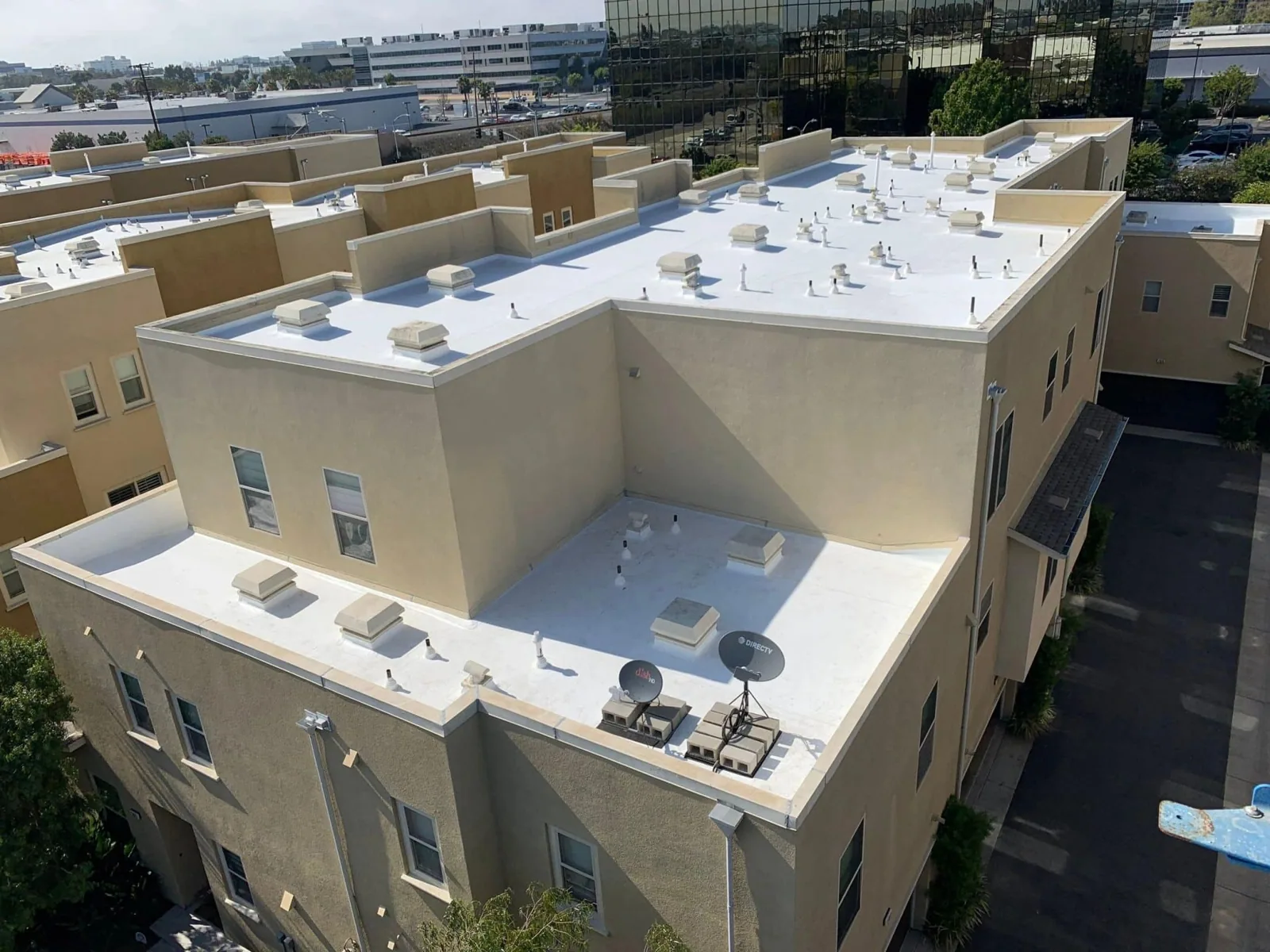
"Cool roof" isn't a system by itself. It has to be a specific membrane or coating chosen for your roof. We name the product, what it's going over, and what prep that combination needs. A reflectance rating doesn't tell you whether a coating will stick to an old patch or work on every type of existing roof, so the estimate explains what we'll test or confirm.
A white TPO roof has its own material and prep requirements. A silicone roof coating is a different approach that depends heavily on the condition of the surface it goes over. We compare what each option really involves, with any open questions about product or existing layers out in the open. You get two real choices, not two labels that sound interchangeable.
Repairs and prep before install
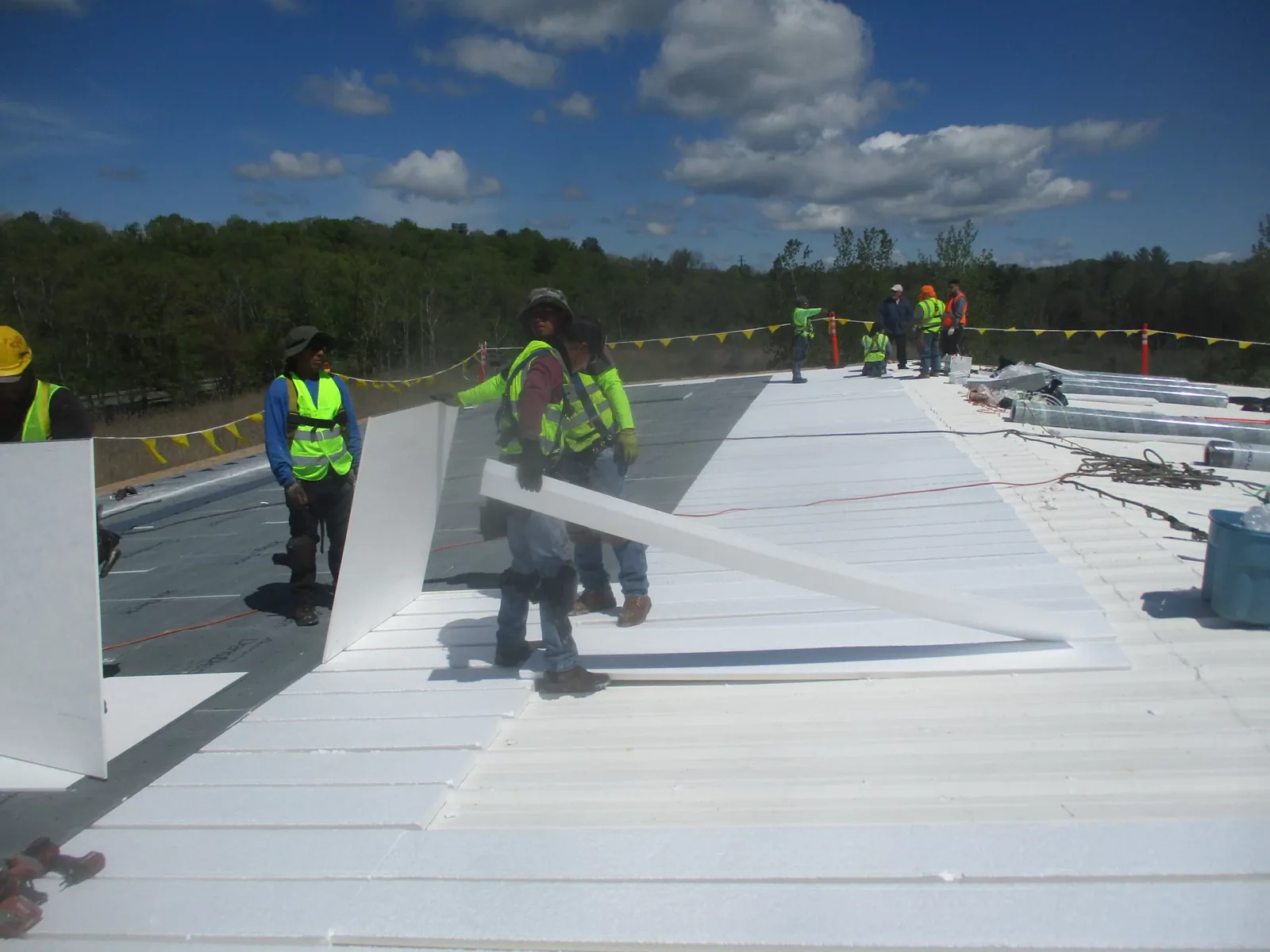
The new roof needs a sound base. We flag damage or anything we're unsure about and note where someone else, like a carpenter or mechanical contractor, needs to fix something first. Existing leaks, old coatings and material changes all need their prep listed before the new roof goes on. That work shouldn't vanish into a price that only mentions the new product.
Our insulation and cover board work covers the layers under the new roof. Our skylight and penetration flashing work covers the details around curbs and openings. You'll know where other work comes first and what information we still need. A high reflectance rating doesn't replace this review, and a clean white surface doesn't mean everything underneath is in good shape.
What the install record should show
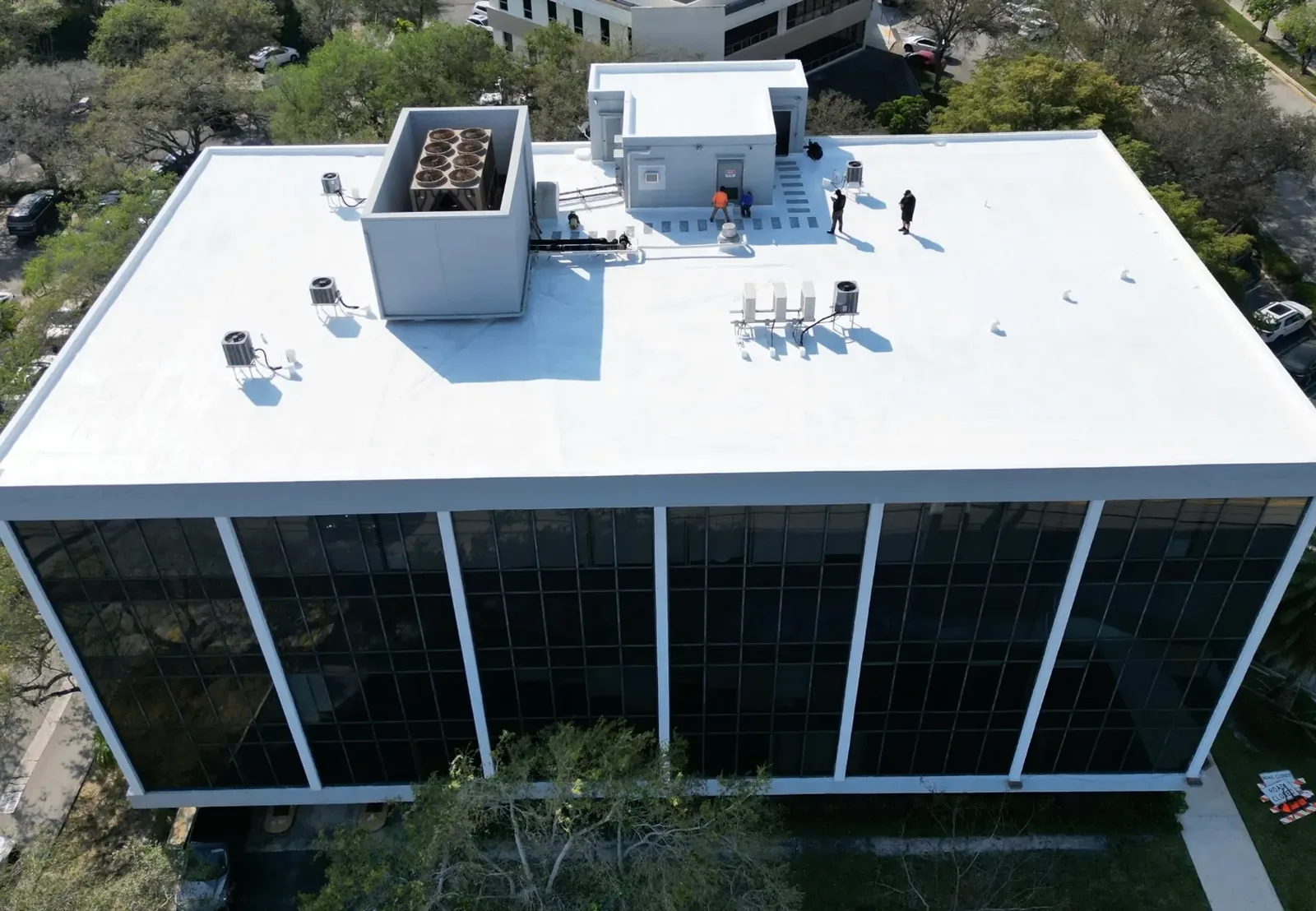
If different products go on different roof areas, the record shows where each one is, so a future crew uses the right material for repairs. The closeout lists the product installed and where. We record the prep we did, where new work meets old roofing, and the details we finished. Photos show enough of the surrounding roof that a later contractor can find each area. If anything was left open, like an equipment curb waiting on another trade, it's listed next to the finished work.
The product data stays tied to that record instead of turning into a broad claim about the whole building. Warranty paperwork and any energy tracking get handled on their own. We describe exactly what we did and what we didn't, which makes the next inspection easier and keeps anyone from treating the cool roof label as approval of layers nobody checked.
Reflectance and emittance are different properties, and neither one predicts your building's yearly energy bill on its own. Start with the published ratings for the specific product and whether your existing roof is a good fit for it. Then be clear about what's being proposed: a new membrane, a coating over a roof that qualifies for one, or a full replacement that also changes insulation and drainage. A coating job needs an agreed surface to go over, adhesion tests where there's any doubt, and repairs to seams and penetrations before the coating goes on. Keep those repair quantities separate from the coating quantity so you can compare a coating-only price with a full restoration price. The closeout should name the product and the areas treated, so later checks are measured against the real work and not a generic "cool roof" label.
Planning a cool roof for your building
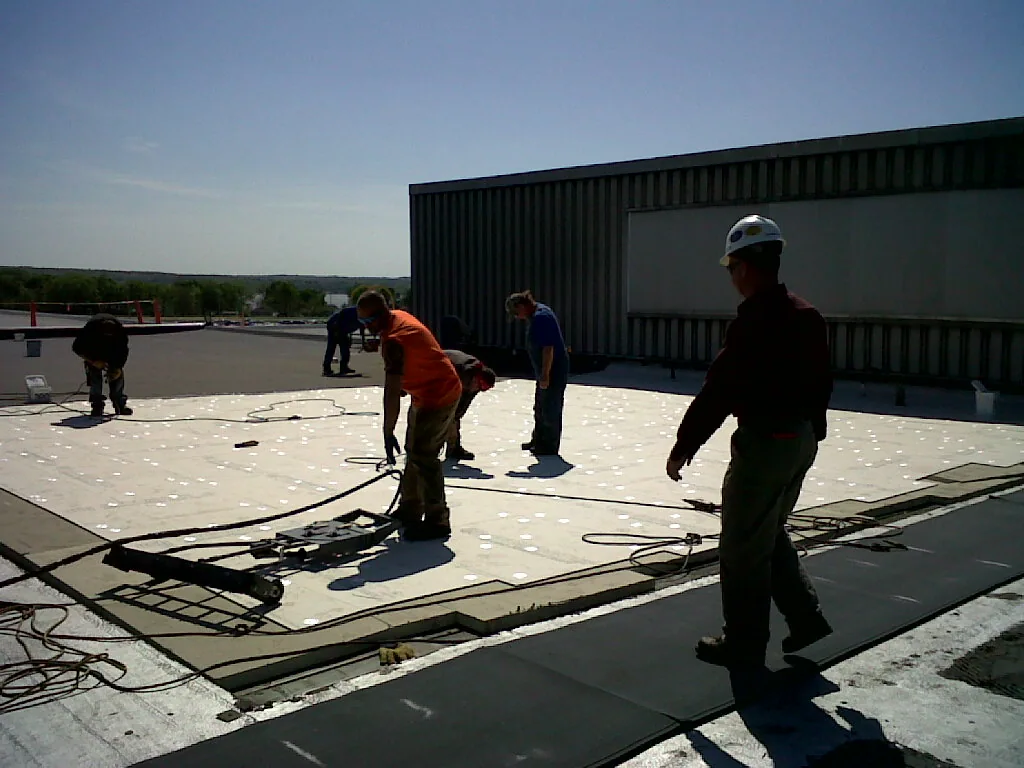
Have your facility contact send us the roof areas you're considering and any records you have on the current roof. We'll plan the inspection and line up the product questions for your building. From there we confirm what's staying, what the product needs, and the prep and flashing work around it.
For cool roof installation in downtown Arlington, you'll get the confirmed product information and a list of anything still open. We explain how the scope follows the roof we actually inspected. The finished product record stays useful for years, so the installed roof is easy to identify and any leftover equipment work is clearly noted. Every decision is based on your building's roof, not an assumption about what a building like yours probably has.
Common Questions
What do reflectance and emittance mean?
Reflectance is how much sunlight the roof surface bounces back. Emittance is how well it releases the heat it absorbs. Both matter, but they need to be weighed alongside your existing roof and what you need the project to do.
Does a cool roof product mean my existing layers can stay?
No. Keeping existing layers takes its own inspection to make sure they're dry and sound. We confirm what's there and what still needs checking before the new roof goes over it.
How should I compare a coating with a new membrane?
Look at the specific product, what it goes over, and the prep in each scope. Make sure repairs and open questions are listed in both, so you're comparing complete jobs and not just product names.
What should the cool roof closeout record include?
The product installed, where it went, the prep we did, and the flashing details we finished. Anything left open should be listed so the next contractor knows where things stand.
Plan your cool roof project
Send us your Arlington roof records and the product you're considering. We'll inspect the existing roof and spell out the prep and flashing work the job needs.
- roof examination locating retained-material questions before cool roofing selection
- recover assessment reviewing the layers proposed beneath the new roofing
- TPO product review defining retained construction and membrane preparation
- silicone option examining the existing surface and selected preparation duties
- layer assessment defining board and supporting preparation for the new method
- flashing review checking adjoining component duties before permanent connection
- downtown Arlington cool roofing with selected product and preparation duties documented