
Arlington Roofing for Insurance and Restoration Teams
Insurance and Restoration Teams
Roofing for Arlington insurance and restoration teams: dated, located photos, clear repair limits, emergency protection and permanent repair scopes kept separate.
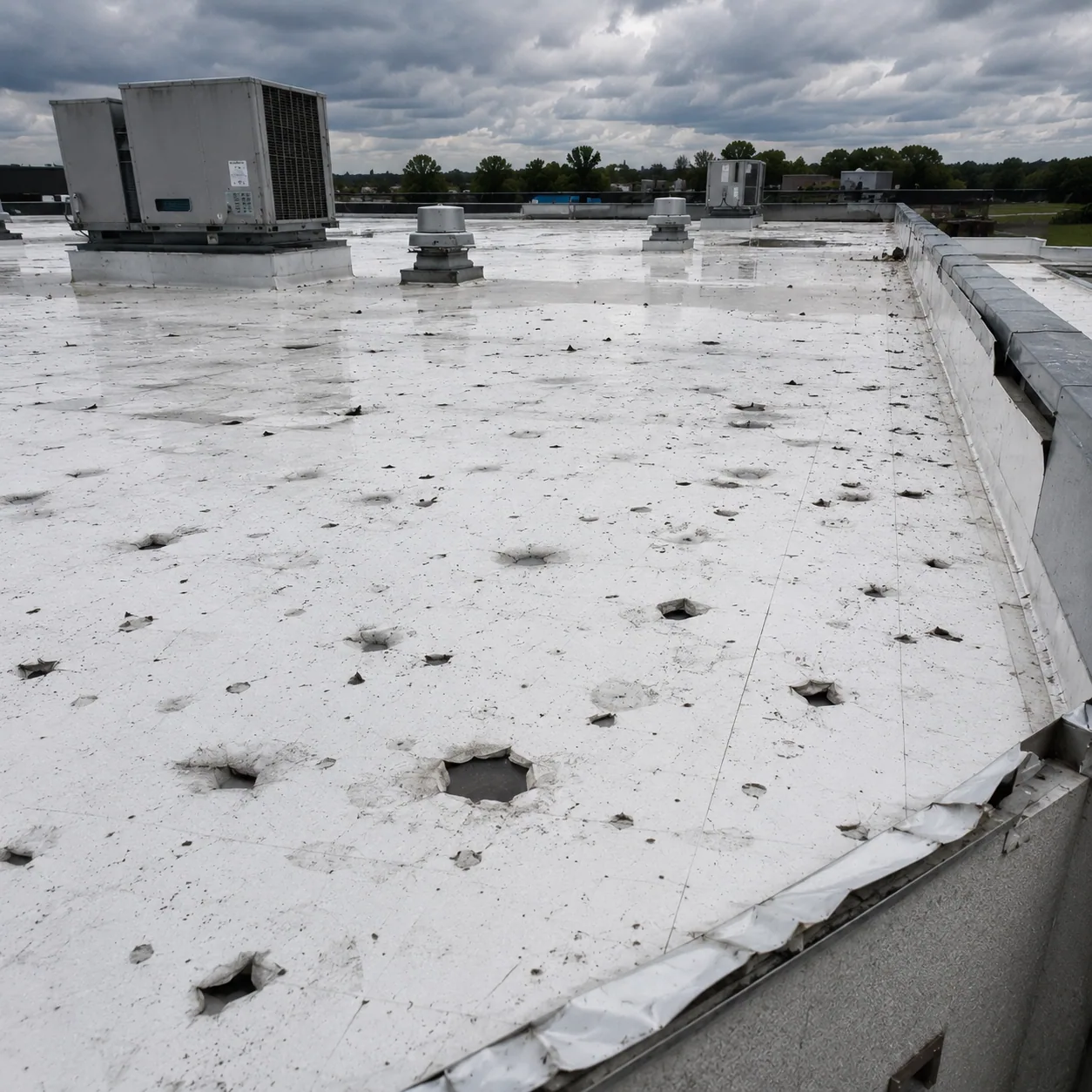
The EF2 tornado that hit Arlington on November 24, 2020 is still part of the story for some buildings in town. But a storm in the past doesn't tell anyone what's wrong with a roof today, or what caused it. An insurance or restoration file needs its own dated photos, the right building and roof section, and findings from an actual inspection. We keep the storm history and the current roof condition as two separate things.
For restoration programs in South Arlington and along the I-20 business corridor, each building gets its own inspection and its own findings.
Commercial Roofing Services Arlington supports restoration teams with clearly located roof findings and defined repair scopes. We explain what we could see, what's hidden and how that affects the repair. Owners, adjusters and project managers can follow the proposed work without anyone treating a photo of the roof surface as proof of cause, or as a promise about the claim.
Intake: record the problem and who reported it
We start with the building address, the roof section and the person setting up the inspection. We ask when the problem started, what's happening inside and for any photos. Anything we haven't confirmed ourselves is labeled as reported by the owner or tenant. Older installation or repair records help us get oriented, and if they're missing, the report says so.
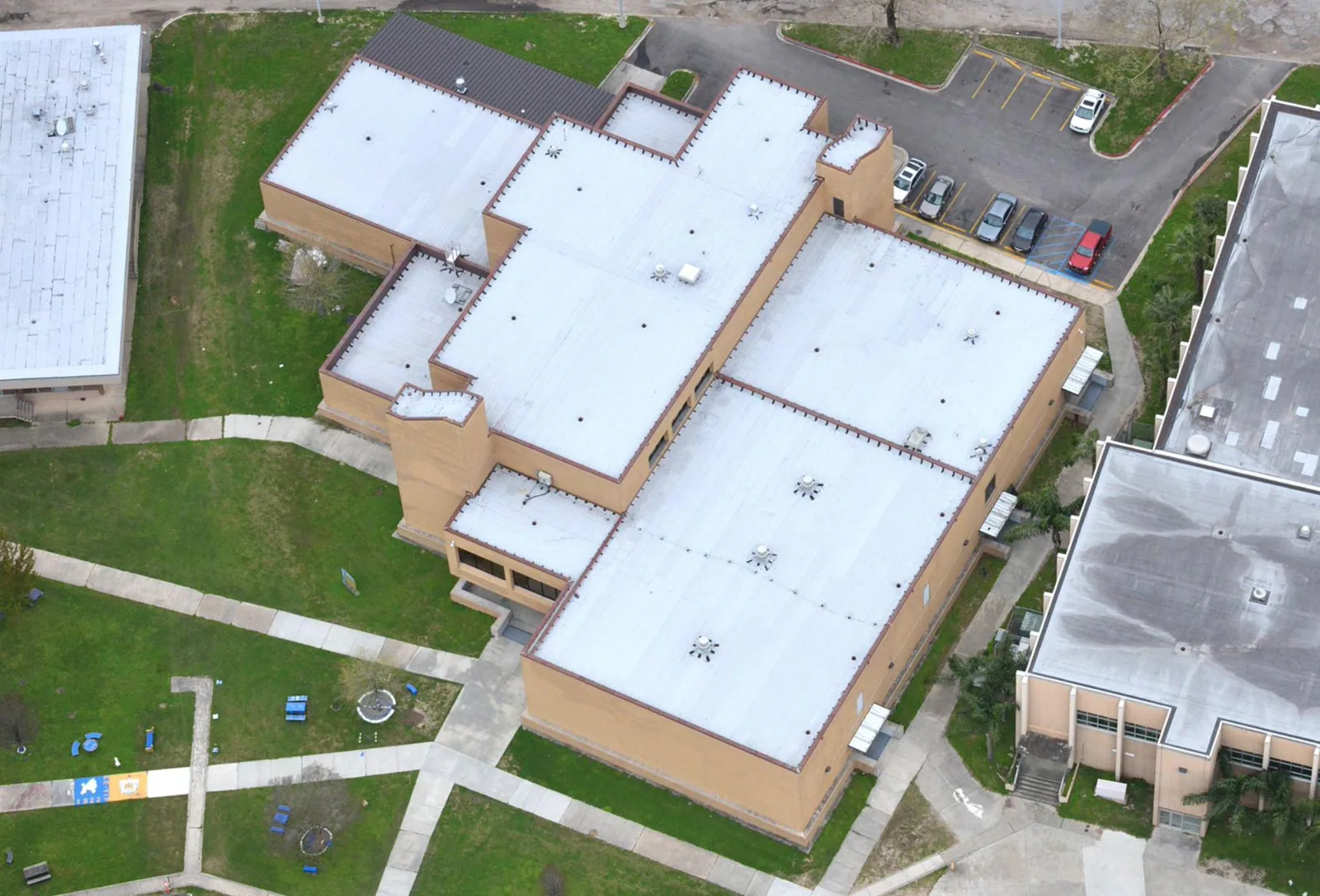
When a restoration team is handling several buildings after the same storm, we keep each one separate. Roof systems, past repairs and what we can reach on the roof all vary. Every set of photos is tagged with the building and the roof area, so someone else reviewing the file can find the exact spot without guessing which roof they're looking at.
We keep the original photos along with any marked-up copies. Arrows and notes added to show location are explained, and the original image stays unchanged. That keeps the file clear when it gets passed to another adjuster or project manager, and keeps what we saw separate from later explanations.
On the roof: describe what's visible, nothing more
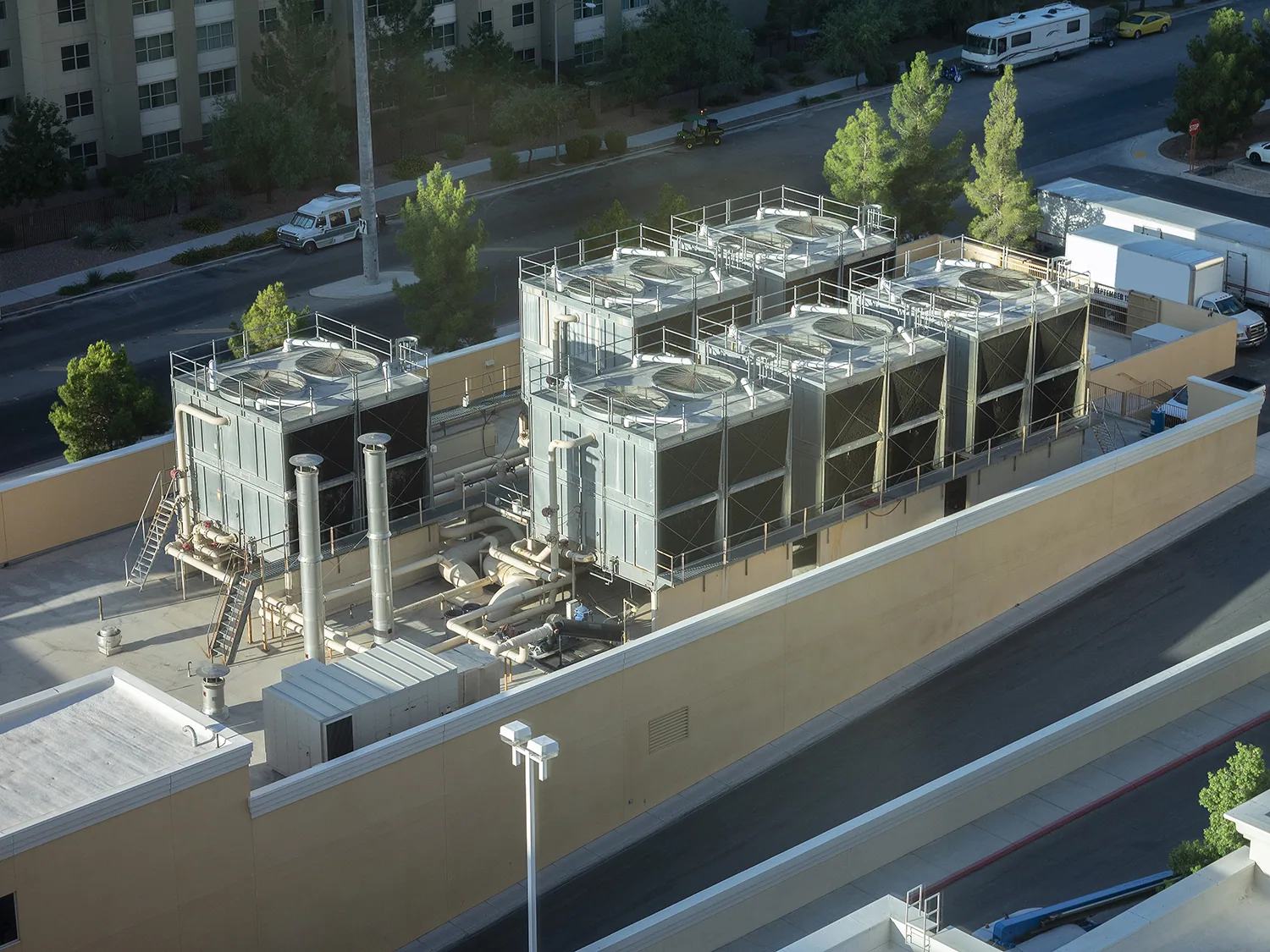
A commercial roof inspection covers the membrane and details we can reach within the agreed scope. We note holes, displaced metal and other damage in plain terms. Wide photos show where a detail is; close-ups show its condition. Where access or hidden layers keep us from drawing a conclusion, we say so. A report on one section doesn't clear sections we didn't inspect, even at the same address.
If wet insulation or a damaged deck would change the restoration, we recommend testing such as core cuts. We list the location, approval, protection and patching for each test. A visible tear proves a tear; it doesn't tell you how much of the insulation below is wet. We keep confirmed findings separate from what still needs testing.
Every report shows the date we inspected, separate from the dates given for earlier leaks or the storm. If something looks different after temporary repairs, we note the order of events. Anyone reviewing the file later can tell what was visible before the tarp went on and what we saw after.
Emergency protection: what it does and doesn't do
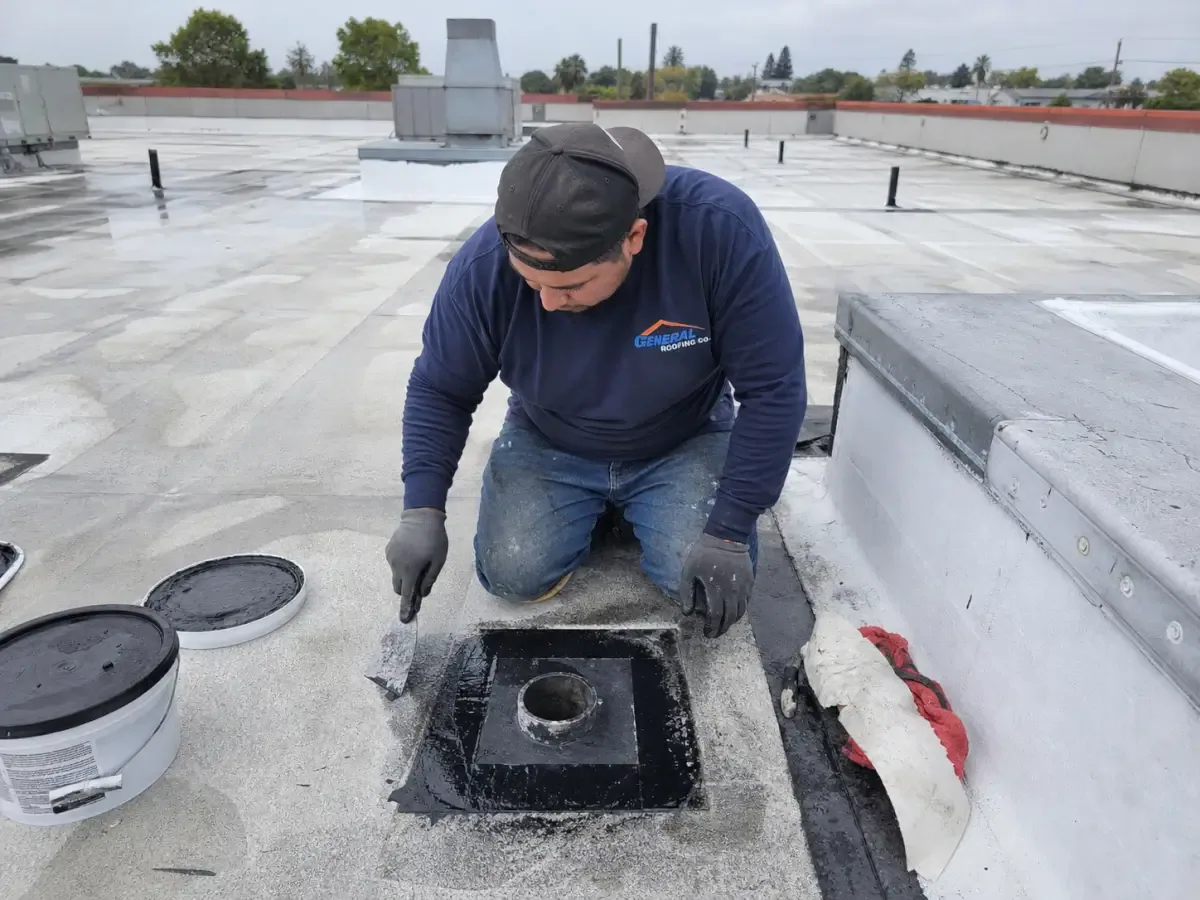
An emergency roof repair may be needed before the permanent scope is settled. We describe what we installed and what area it protects. Where practical, we photograph the damage before covering it. We also list any testing or equipment coordination still needed, so the emergency fix isn't mistaken for the finished restoration.
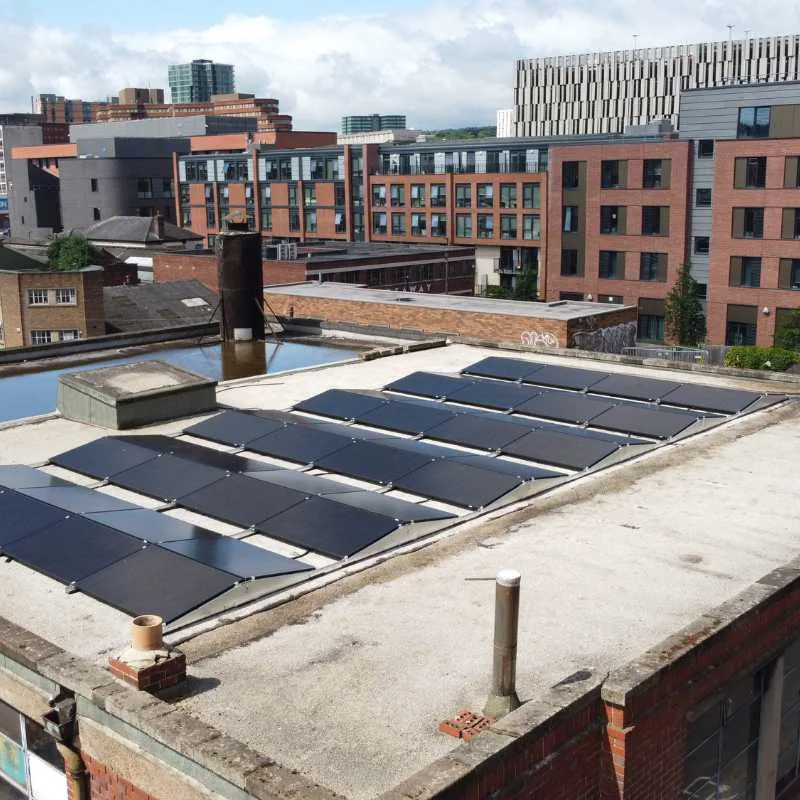
Access and interior protection are arranged through the property contact. Rooftop equipment or damaged walls and curbs need the right trade. We explain where those items limit what we can do. The restoration team needs to see that clearly when planning the next visit, especially if the permanent repair has to wait for another contractor.
Repair limits: reach sound material and finish every detail
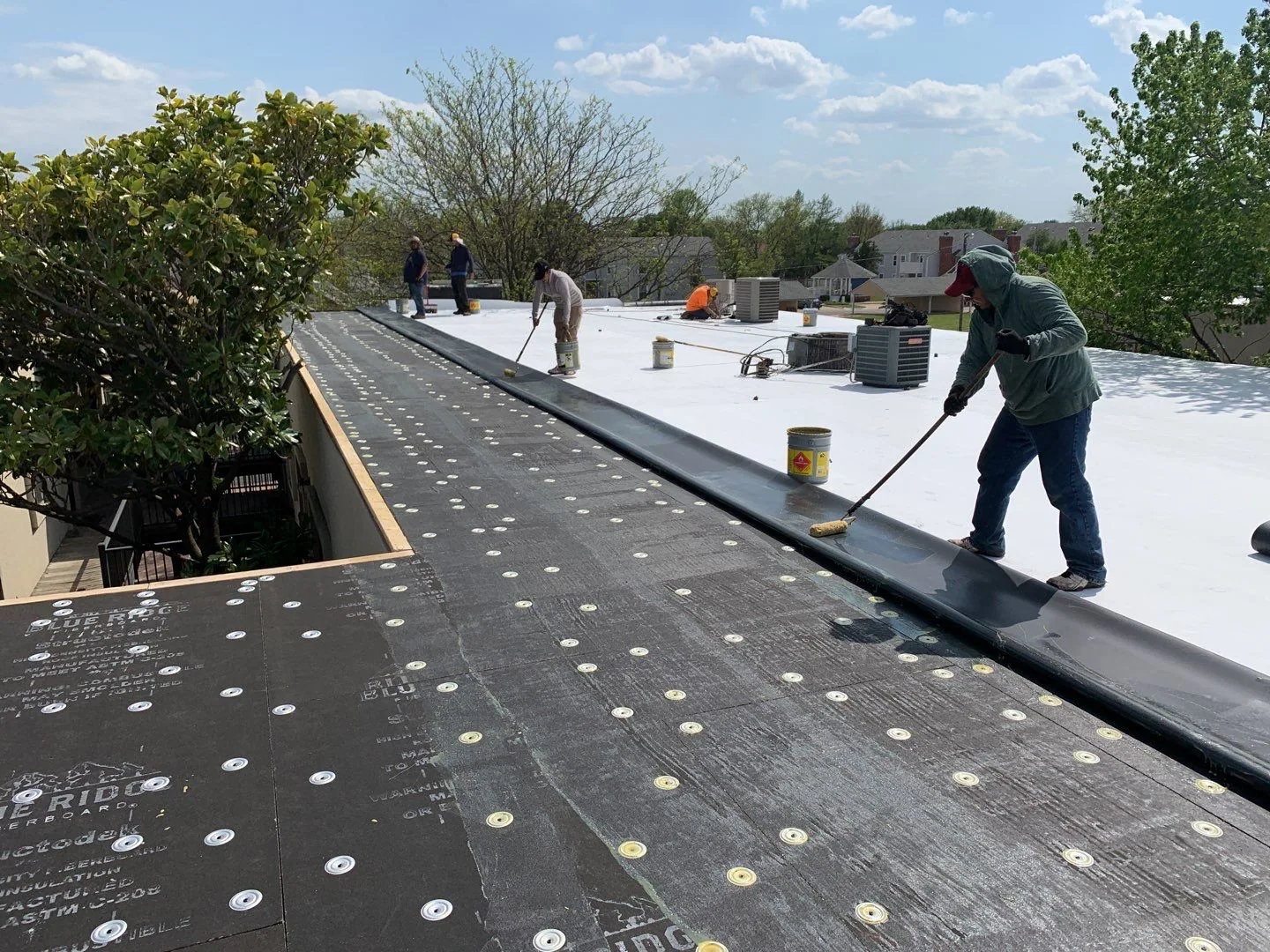
We define the tear-off needed to fix the damage and any insulation confirmed wet or crushed. We identify the existing membrane that stays and the repair method it can take. If a small patch would leave weak material or an unfinished edge, we explain why the repair needs to be bigger. The real repair area often doesn't match the outline of the most obvious hole.
After an approved tear-off, we photograph the exposed insulation, deck and blocking before rebuilding. If what we find changes quantities, or needs an engineer's input, we document it and get approval for the change. New material has to tie into sound roof. Covering up a problem just to stay within an early estimate isn't a repair.
We point out curbs, walls and edge metal that need separate work, name who's responsible, and describe how the roofing ties in afterward. For phased work, we include temporary stopping points and repeated prep. That way, when you compare bids, they're all pricing the same complete repair instead of quietly leaving out different pieces.
Arlington restoration work: local, but building by building
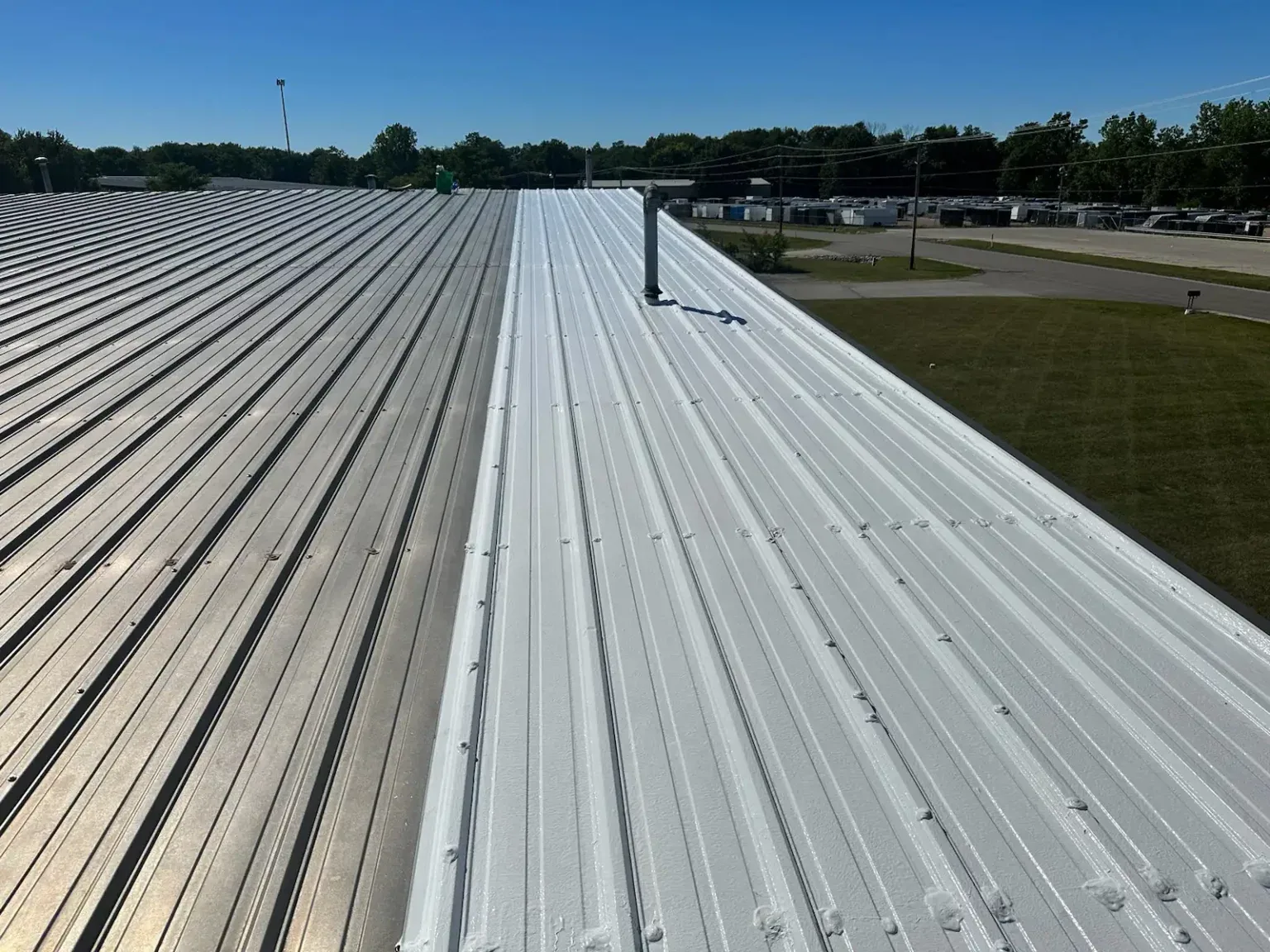
We handle restoration roofing in Downtown Arlington and the surrounding business districts, and every scope is based on the building inspected.
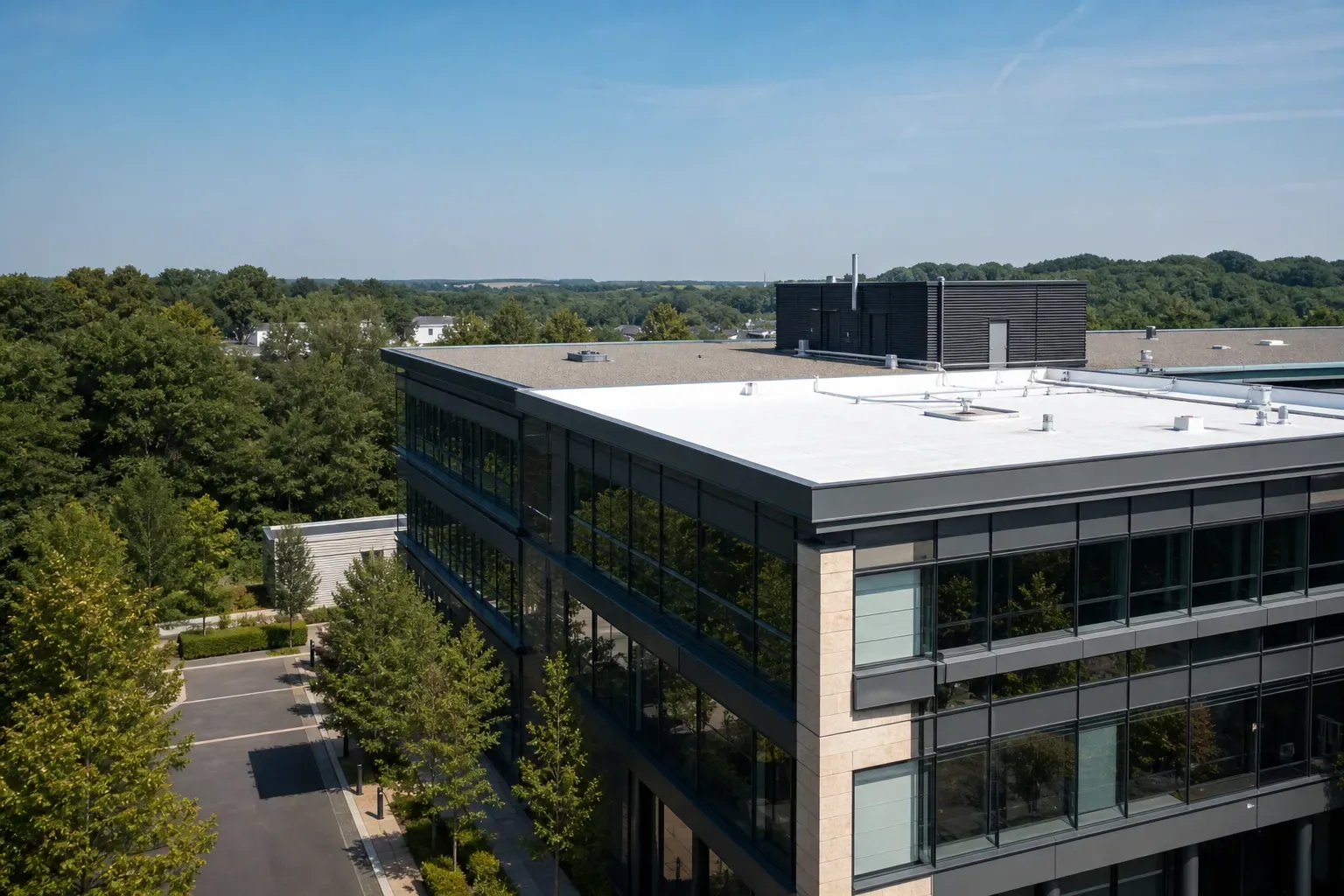
A commercial office roof still gets judged by the roof system we actually find. Teams working with property management companies or general contractors should sort out access, approvals and other-trade work for each property. Knowing the neighborhood helps with directions, not with the roof findings.
Closeout: make the finished work easy to follow
We keep photos of tear-off limits, damage found and new layers before they're covered. The closeout lists the materials installed and the details completed, along with approved changes and any equipment work still open. A reviewer should be able to tell permanent roofing from temporary patches and work still owed by others.
We test the finished roof the way that system requires and keep any manufacturer inspections with the closeout. Our report covers the roof condition and the work we did. Claim decisions belong to the insurer and the policyholder. We keep that line clear without making the report any less useful about what the repair includes.
If there's a service call later, the record shows where the earlier work was and how far it went. We check the current condition before blaming a new leak on anything. A dated restoration file is useful history, but it doesn't mean every later problem came from the same storm or the same leak path.
Keep the repair record chronological and tied to a defined roof area. Note when the condition was reported, what was visible at the first inspection, which surfaces were tested or opened, and what changed after exposure. Photographs should identify their location and show enough context to connect the close view with the larger roof section. A contractor can describe observed damage and the work needed to restore the assembly, while coverage decisions remain with the insurer and policy terms. If a temporary measure is needed before permanent work, record its limits and the follow-up required. When additional deterioration appears, document it and request review before expanding the repair. This gives the owner, contractor, and adjuster a clearer basis for discussing scope without treating an inspection note as a coverage determination.
Common Questions
Does a recorded storm prove this roof was damaged?
No. A storm date gives context, but the roof itself has to be inspected. We keep the reported timing, what we actually saw and anything hidden that's still unconfirmed separate, before proposing a repair or saying anything about cause.
What should photos show for a restoration scope?
A wide shot showing where the damage is, clear close-ups of the damage, and the date, building and roof section. Where tear-off is approved, the exposed layers get photographed before rebuilding. Each photo should tie to the repair area it supports.
How should temporary protection show up in the file?
As its own item: what was installed, the area it covers and its limits. Testing, other-trade work and the permanent repair are listed separately. That way nobody assumes the emergency fix finished the job.
Why can a restoration price change after tear-off?
Because opening the roof can show wet insulation, rotted blocking or damaged deck that changes the prep or the repair area. We photograph it, explain how it affects the work, get approval and keep the revised quantities with the work they cover.

Get a clear, documented restoration roof scope
Send us the building address, the reported problem and any photos you have. We'll inspect the roof, handle emergency protection if needed and lay out the permanent repair for your review.