Fire Damage Roof Repair in Arlington, TX
Fire Damage Roof Repair
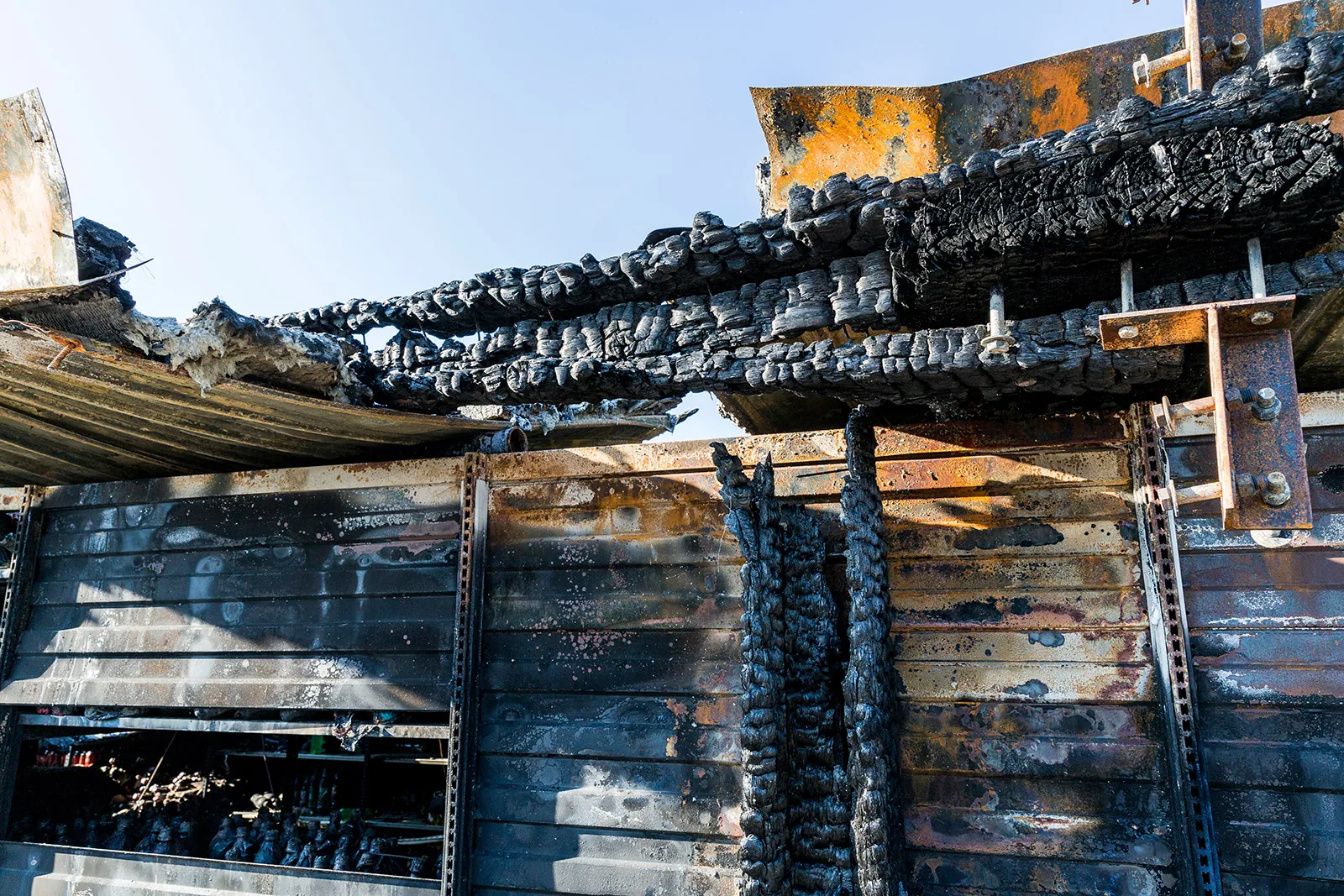
Plan Arlington fire-damaged roof work after safe access and qualified review. Identify affected layers, supporting repairs and complete weather connections.
Arlington's documented EF-2 tornado occurred on November 24, 2020. A fire-damaged roof is a separate construction inquiry with its own history, access decisions and material findings. The roofing scope cannot begin by assuming the area is safe because the surface remains in place. The authorized building representatives and appropriate qualified parties need to resolve the access and support questions that control the proposed work. Roof reconstruction follows that direction and the actual damage examined.
Commercial Roofing Services Arlington helps define roofing removal and rebuilding at fire-affected commercial properties. We distinguish the covering and layers within our scope from structural, equipment and other component decisions needing the appropriate parties. The owner receives a description of the work that can be developed from the available findings, with prerequisites and uncertainty clearly identified. A new membrane alone is not a complete answer to an unexamined fire-damaged assembly.
Access: obtain the direction before examination
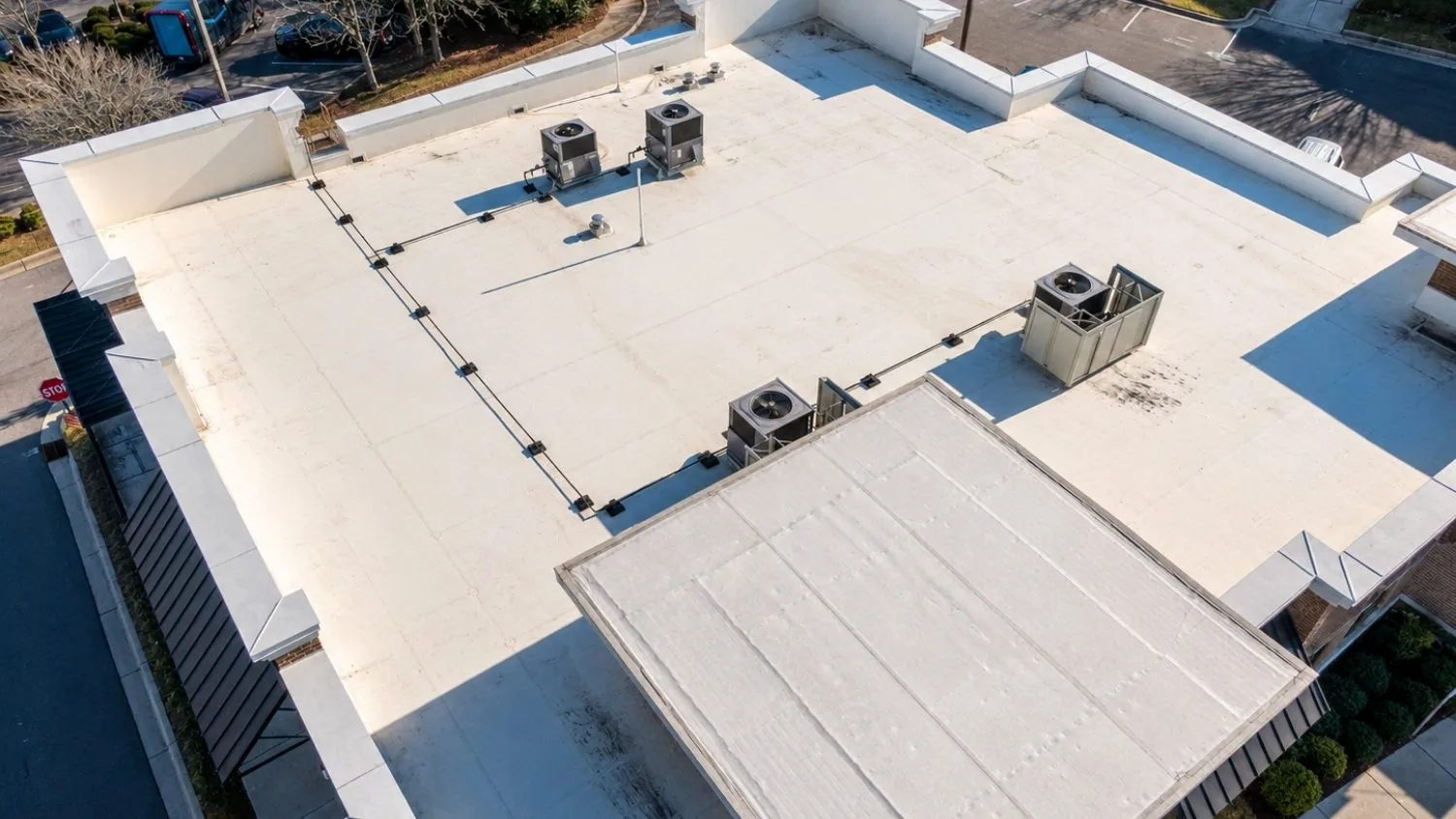
Arrange the appropriate authorization before approaching or opening the affected roof. Fire damage can raise support and component questions that roofing observation alone cannot resolve. Required qualified review belongs before work proceeds in an uncertain area. Confirm the examined limits and the personnel responsible for providing direction. Do not treat an owner's request for a price as a release to enter or disturb material.
After appropriate access is established, a commercial roof inspection records accessible roofing conditions within its agreed limits. Areas that remain unavailable should be listed explicitly. The inquiry must not imply that inaccessible layers or every supporting component have been cleared. If further examination changes the proposed scope, obtain the appropriate direction while the condition remains visible and before new work conceals it.
Layers: define removal from examined conditions
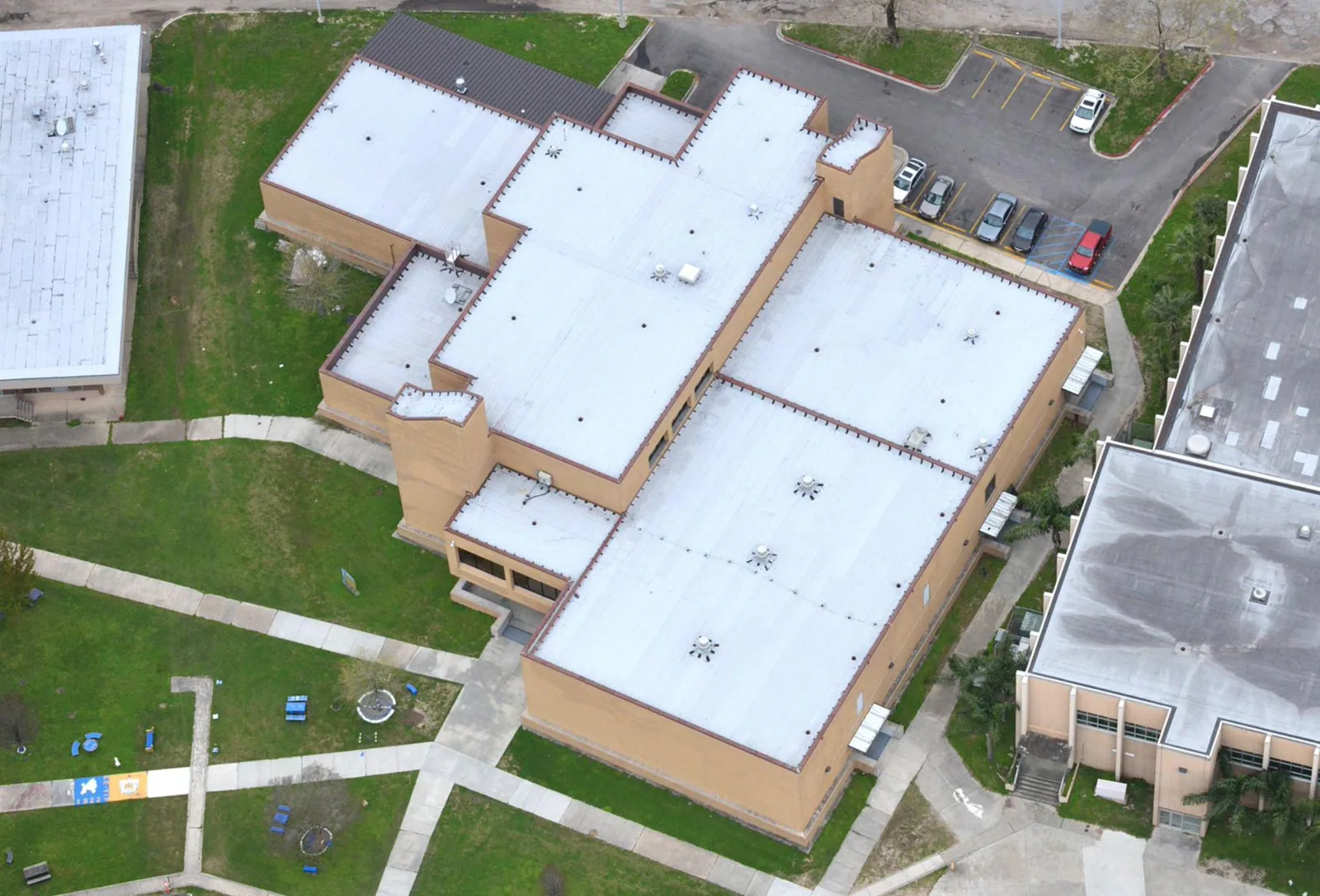
Identify the existing covering and the material affected within the assigned area. The visible damage may not disclose the limits of unsuitable layers beneath or beside it. Removal planning needs appropriate examination and a defined decision process for new findings. Where uncertainty remains, state the provisional boundary and the information needed to establish the construction. A single surface image should not be used to declare the rest of the assembly suitable.
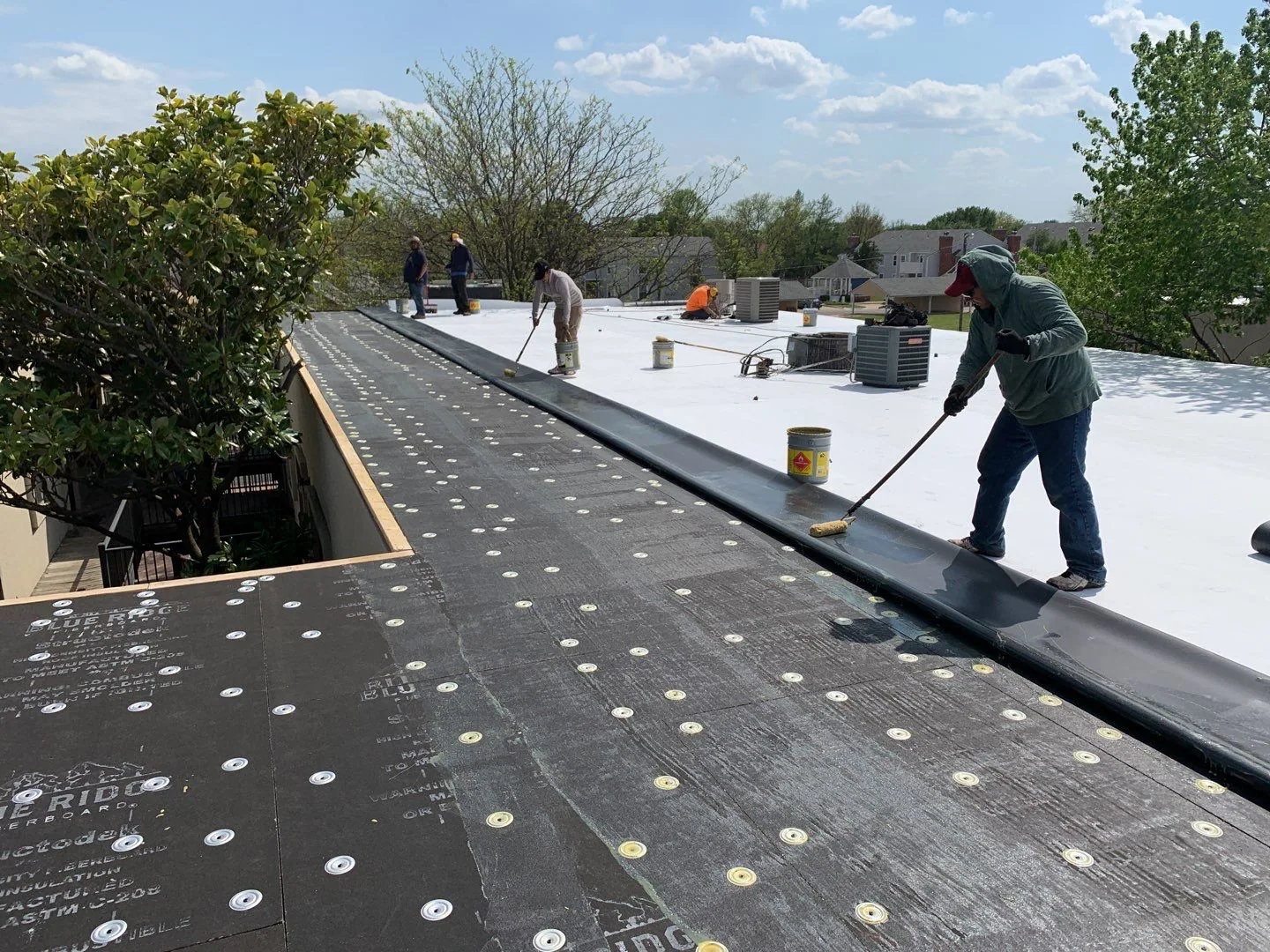
Roof insulation and cover board reconstruction follows the confirmed material and support requirements. Examine exposed conditions before installing replacement layers, subject to the necessary qualified direction. A supporting concern requiring separate repair stays ahead of the new roofing. The scope should identify that duty and the condition expected at handover, rather than using an allowance for roof covering to imply the entire support has been repaired.
Rebuilding: specify a complete roof area
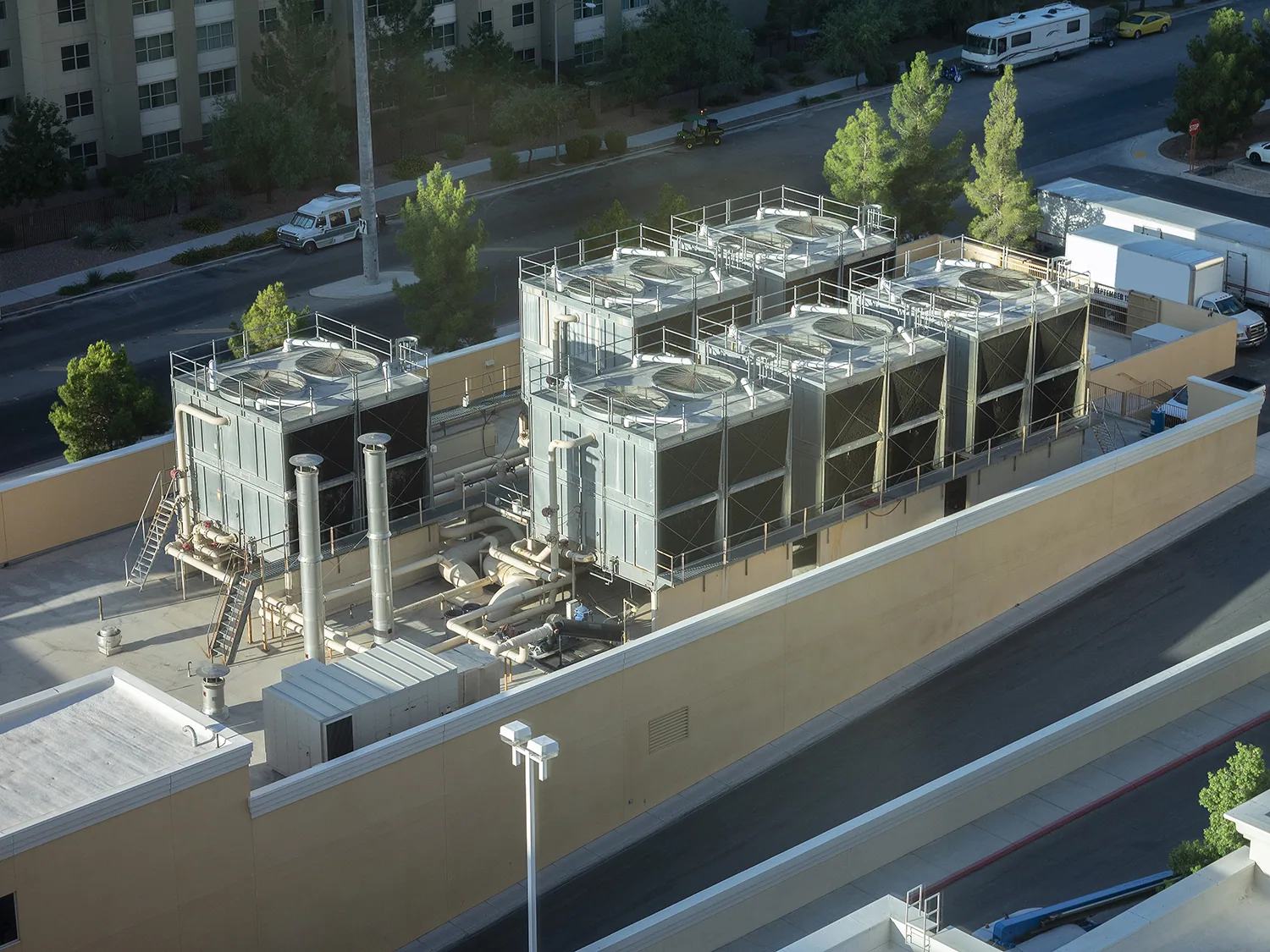
A commercial roof replacement package needs the areas removed, the new assembly and the details connecting it to retained construction. Walls, curbs, outlets and roof levels can affect those connections. If the proposed arrangement changes a component or requires design decisions, identify the appropriate review. The roofing scope should follow the resulting direction and describe the relevant interface clearly.
A flashing reconstruction cannot close against an adjoining surface still awaiting repair. Confirm who provides the surface and what must be complete before roofing connects to it. Equipment work may also need coordination with its responsible personnel. These tasks can affect the sequence even when they occupy a small part of the exterior area. Keep them in the work account before the owner compares prices.
Other conditions: keep their causes and scopes distinct
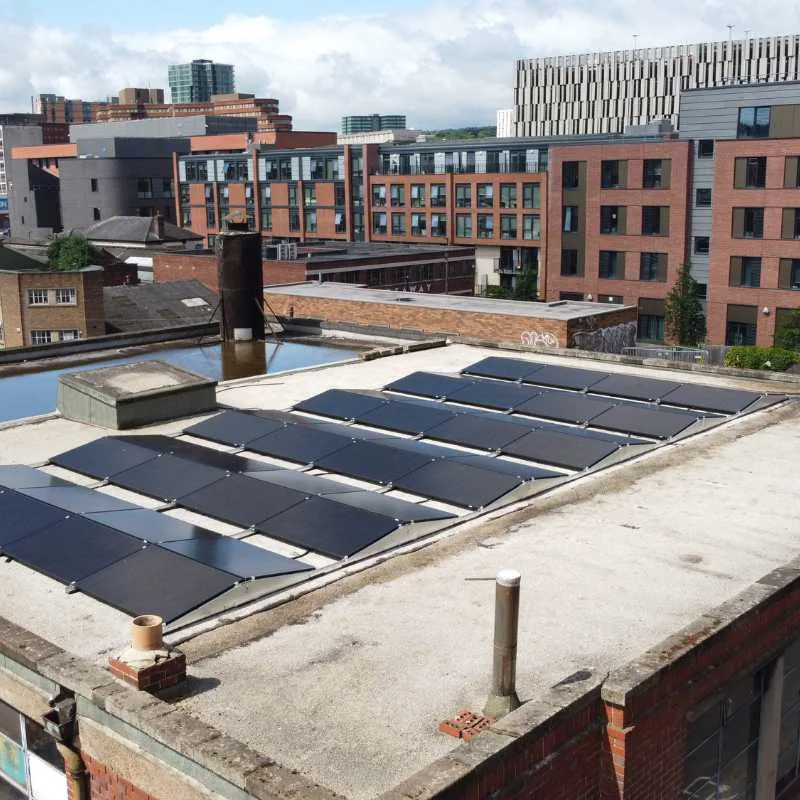
An area may also have a punctured membrane or another defect requiring correction. Identify the finding rather than assuming every mark has the same cause. The reconstruction scope should locate related tasks and explain where they overlap. If the available evidence does not establish causation, keep that question separate from the physical construction being proposed.
Temporary protection may be needed where it can be arranged within the authorized conditions. State its purpose and the limits of the protected area. It does not establish a permanent roof, cleared support or completion of another party's responsibility. The owner should know what remains to be investigated or rebuilt afterward. A temporary measure must remain visible in the record until the corresponding permanent task is actually delivered.
Arlington coordination: arrange the affected premises
Arlington’s commercial districts include the Great Southwest Industrial District and South Cooper Street Corridor; a fire-damage assessment still begins with the assigned property and roof area. For fire-related roofing in Downtown Arlington and surrounding business districts work area still needs the actual damaged property address. Provide the authorized representative and any available qualified review or construction records before a roofing visit is arranged.
For a fire-affected warehouse roof, the facility and relevant project parties identify the spaces and routes available for work. Material movement, debris handling and the area below removal need their appropriate arrangements. If the reconstruction boundary expands, review those arrangements again. The new exterior quantity can affect protection, access and supporting tasks elsewhere in the construction sequence.
Fire-related roof work should follow the actual affected construction from the exposed surface into the components that support and connect it. Record soot, heat effects, damaged membrane, displaced insulation and penetrations separately where they appear; do not treat a surface stain as a measure of concealed damage. Coordinate the examination with the property representative and any qualified fire or structural review needed before crews enter or load the roof. Define temporary weather protection, debris handling and the limits of any controlled opening before removal begins. The permanent scope should identify what can be repaired, what must be replaced and where another trade must complete work first. Photograph the condition before cleaning or rebuilding and preserve the revised scope when opening reveals more. A complete closeout distinguishes stabilized areas from fully restored details and lists follow-up inspections.
Construction record: show what each party completed
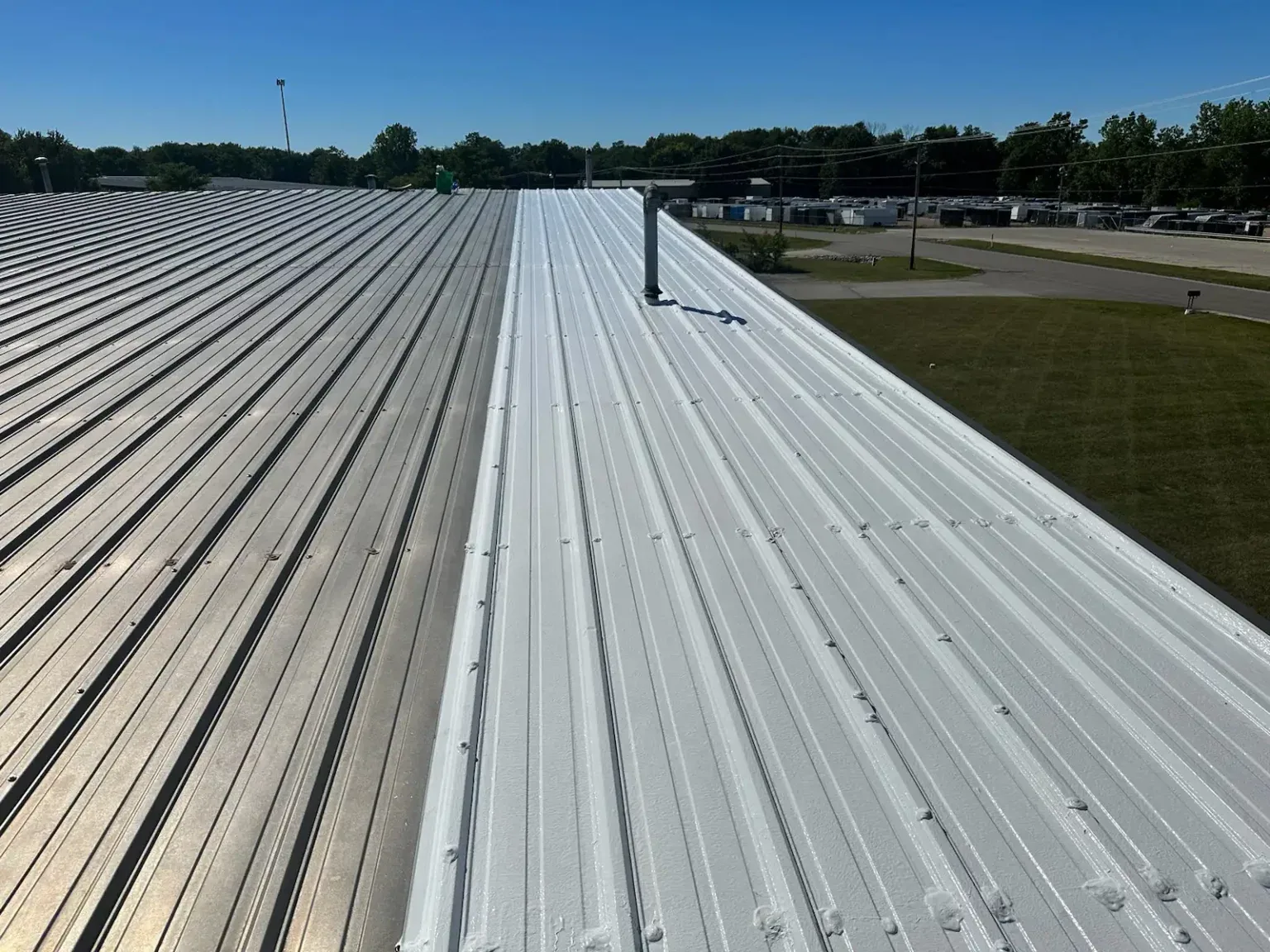
Retain the applicable direction, work limits and photographs of confirmed conditions during removal. Document replacement layers and rebuilt connections before they are covered. Record component readiness separately from the roofing installed against it. The final account should make it possible to identify completed permanent work and every duty remaining with another party.
Examine completed roofing through the method appropriate to its system and agreed scope. Required acceptance by a manufacturer or other project party needs its own confirmation. The roofing contractor's completion record describes its delivered construction; it does not substitute for another party's structural, service or occupancy decision. The owner should retain those responses beside the relevant work rather than close the entire inquiry from the appearance of the new covering.
Where findings changed the original reconstruction plan, preserve the reason and authorization for the change. A later maintenance visit can then understand why one area was rebuilt differently or why another section stayed outside the work. Clear records are especially useful when the initial damage interrupted the building's usual access to installation and repair information.
Common Questions
Can a roofing inspection clear a fire-damaged support for construction?
Support or safety questions needing qualified review belong with the appropriate parties. Arrange their direction and authorized access before roofing examination or removal proceeds in uncertain areas. The roof inspection records accessible conditions within its scope; it should not be presented as clearance of every supporting component.
How is the removal boundary established?
Use examined conditions and the proposed reconstruction requirements, with further investigation where hidden material changes the choice. Identify provisional limits and the review point for new findings. We recommend documenting exposed conditions before covering them and obtaining direction when they enlarge the authorized task.
Does temporary protection establish that the roof is restored?
A protection measure serves its defined purpose within the permitted conditions. Keep permanent rebuilding and other parties' outstanding tasks separately identified. The owner needs a record of what remains after the initial measure, without treating a covered area as a complete repaired assembly.
What should remain with the completed reconstruction record?
Keep applicable direction, actual removal limits, concealed findings, replacement materials and connection photographs. Retain separate component or manufacturer confirmations where required. List unfinished work distinctly so the roofing completion account does not imply acceptance of responsibilities beyond the delivered scope.
Arrange the roofing scope after the required review
Send the property address, authorized contact and available damage or qualified-review records. We will identify the roofing examination and define reconstruction tasks alongside the access and adjoining decisions they require.