Due Diligence Roof Surveys in Arlington, TX

Due Diligence Roof Surveys
Review Arlington roof condition before a property decision. Identify visible defects, missing records and investigation needed for construction allowances.
Arlington's EF-2 tornado on November 24, 2020 is part of the area's documented weather history. During a property purchase or financing review, a storm date can prompt a question about the seller's roof records. It cannot establish that the roof under consideration suffered damage or that a later repair resolved every condition. A due diligence survey should examine the assigned property and clearly distinguish disclosed history from current observations.
Commercial Roofing Services Arlington helps buyers and owners identify roofing questions that may affect their decision. The review locates visible defects, checks available assembly and repair information and explains further investigation needed to define construction choices. Its purpose is a usable account of the roof information available within the agreed access and scope. It should not become an unsupported assurance about hidden layers, future expenses or the absence of defects.
Survey scope: agree on access and questions
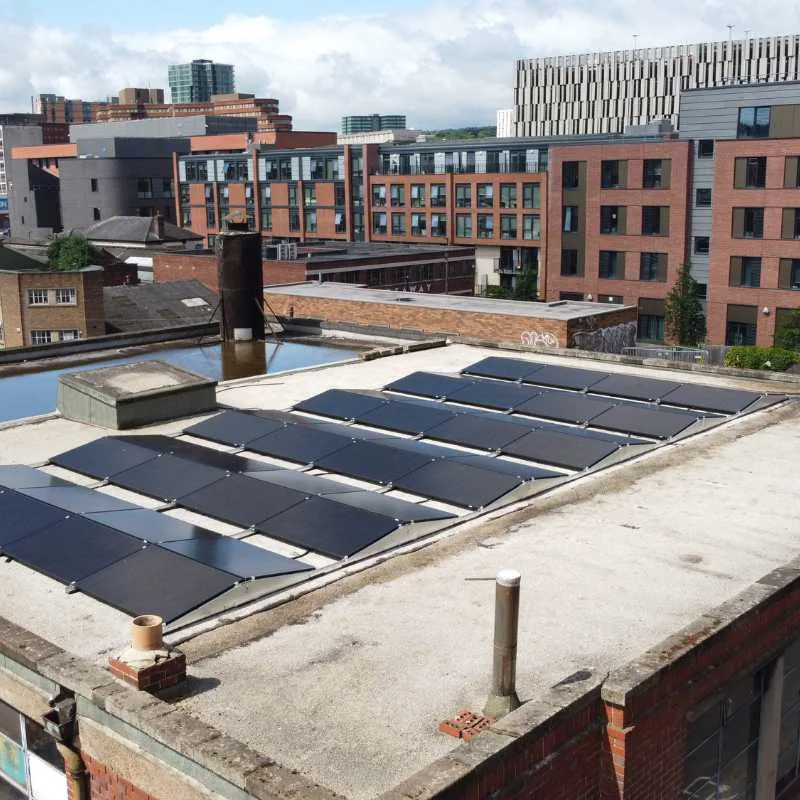
Identify the buildings and roof sections included in the review. Confirm who can authorize roof and relevant interior access, and ask for the records already available. Plans, installation documents and repair invoices can help explain changes in material or height. They may also leave gaps. If a seller provides a single invoice for a roof with several distinct sections, show which area the invoice actually describes before using it to establish installation history.
A commercial roof inspection examines accessible conditions within the agreed scope. Record inaccessible or unsafe areas and explain the consequence of those limits for the property decision. If the buyer needs information on concealed layers, that requirement should be identified early. Surface observation alone cannot answer every question about retention, removal quantities or the support beneath an existing roof.
Existing construction: identify what can be confirmed
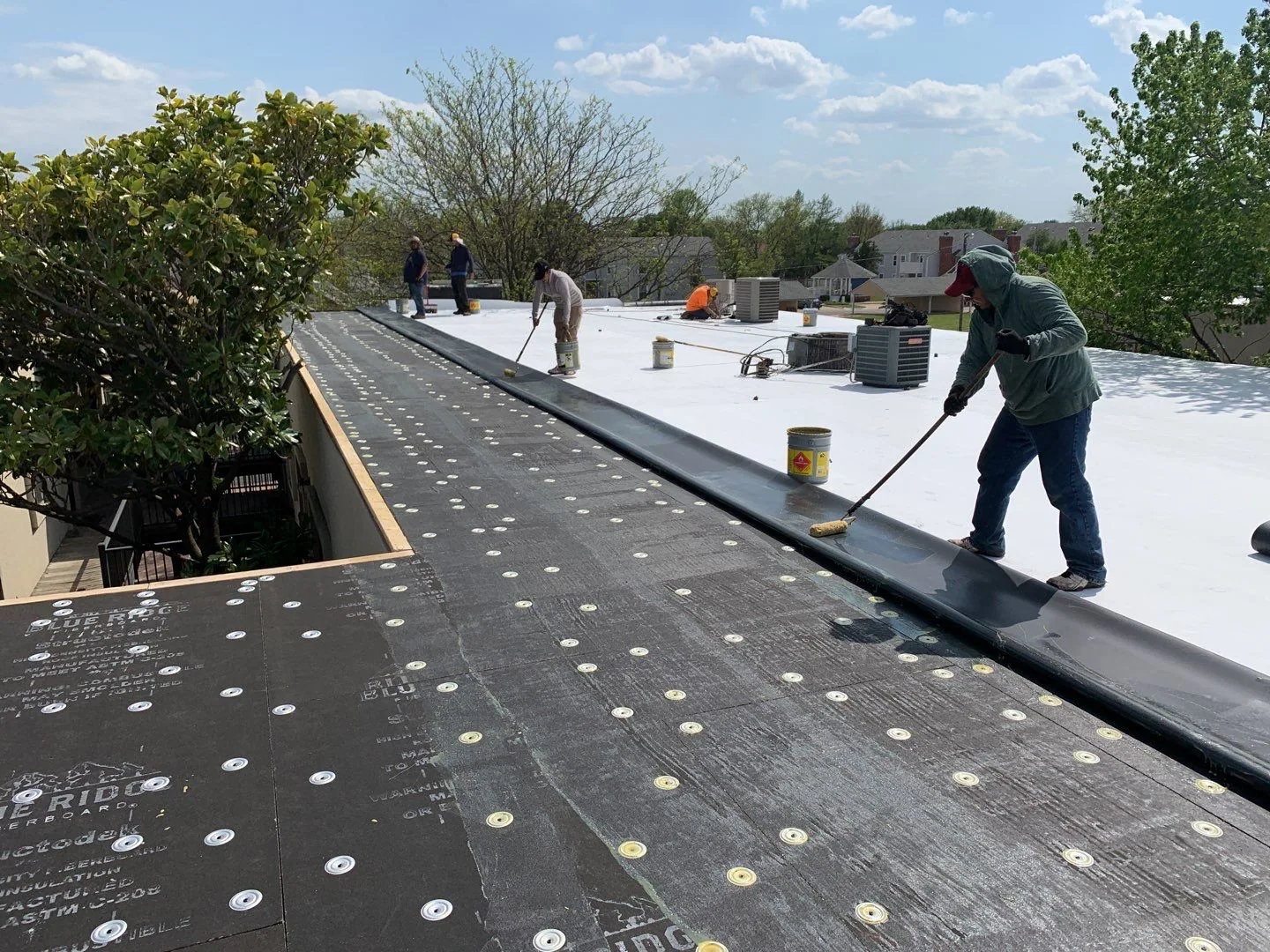
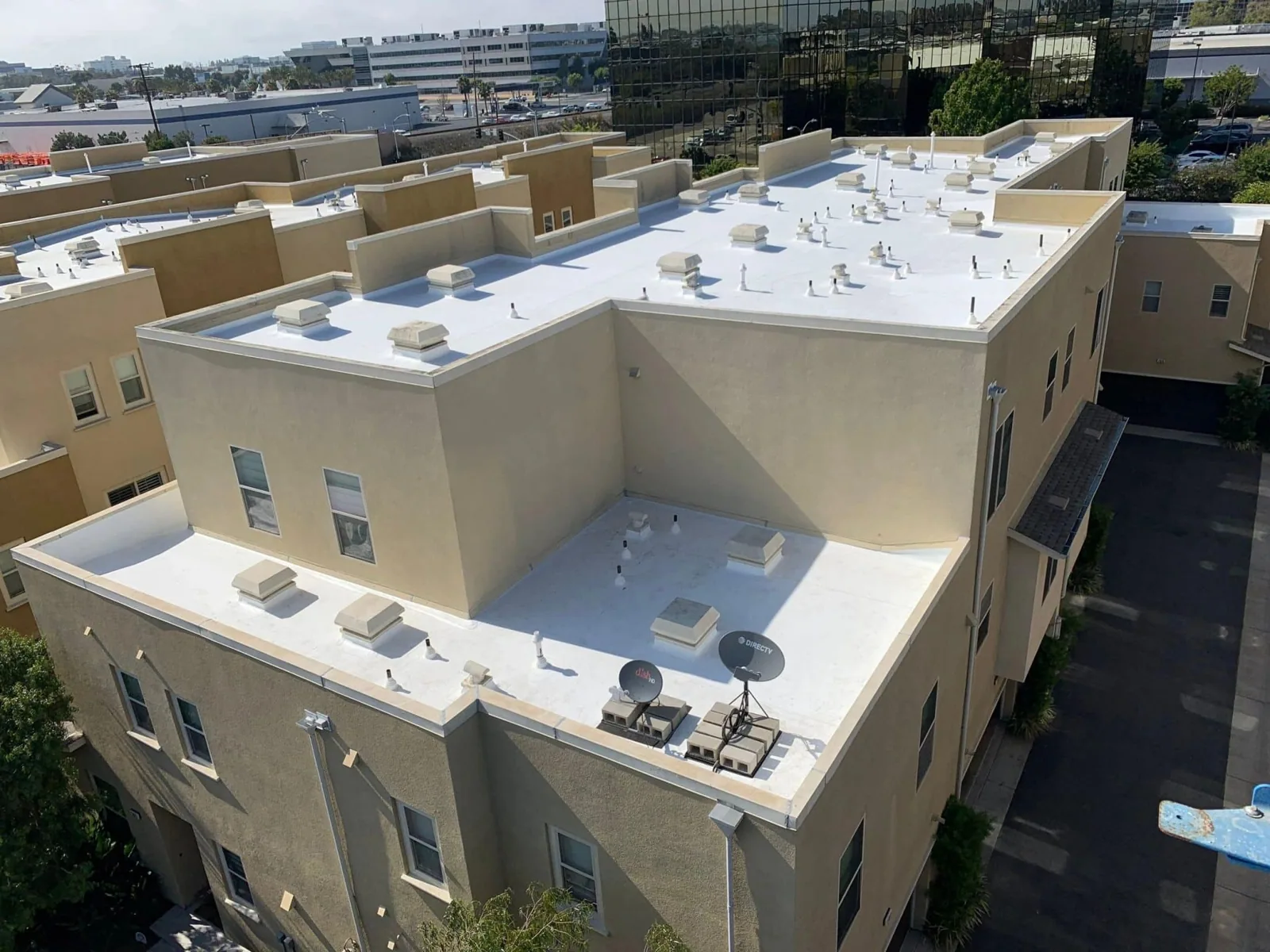
Map the visible roof areas and their connections at walls, edges, outlets and equipment. Distinguish observable covering from assembly information supplied by the owner. A repair using a different surface material may not explain the layers underneath it. Where the construction history conflicts with what is visible, document that difference and describe the information needed to resolve it. Do not force every roof section into the same assumed installation date.
Review visible defects in their surroundings. A membrane split beside a curb may involve more than a small patch if adjoining covering or backing cannot receive a sound connection. Loose edge metal can raise separate questions about attachment and receiving support. The findings should identify those questions without selecting a cause from appearance alone. A proposal for corrective work needs the conditions and boundaries that make its scope credible.
Concealed material: identify the decision it affects
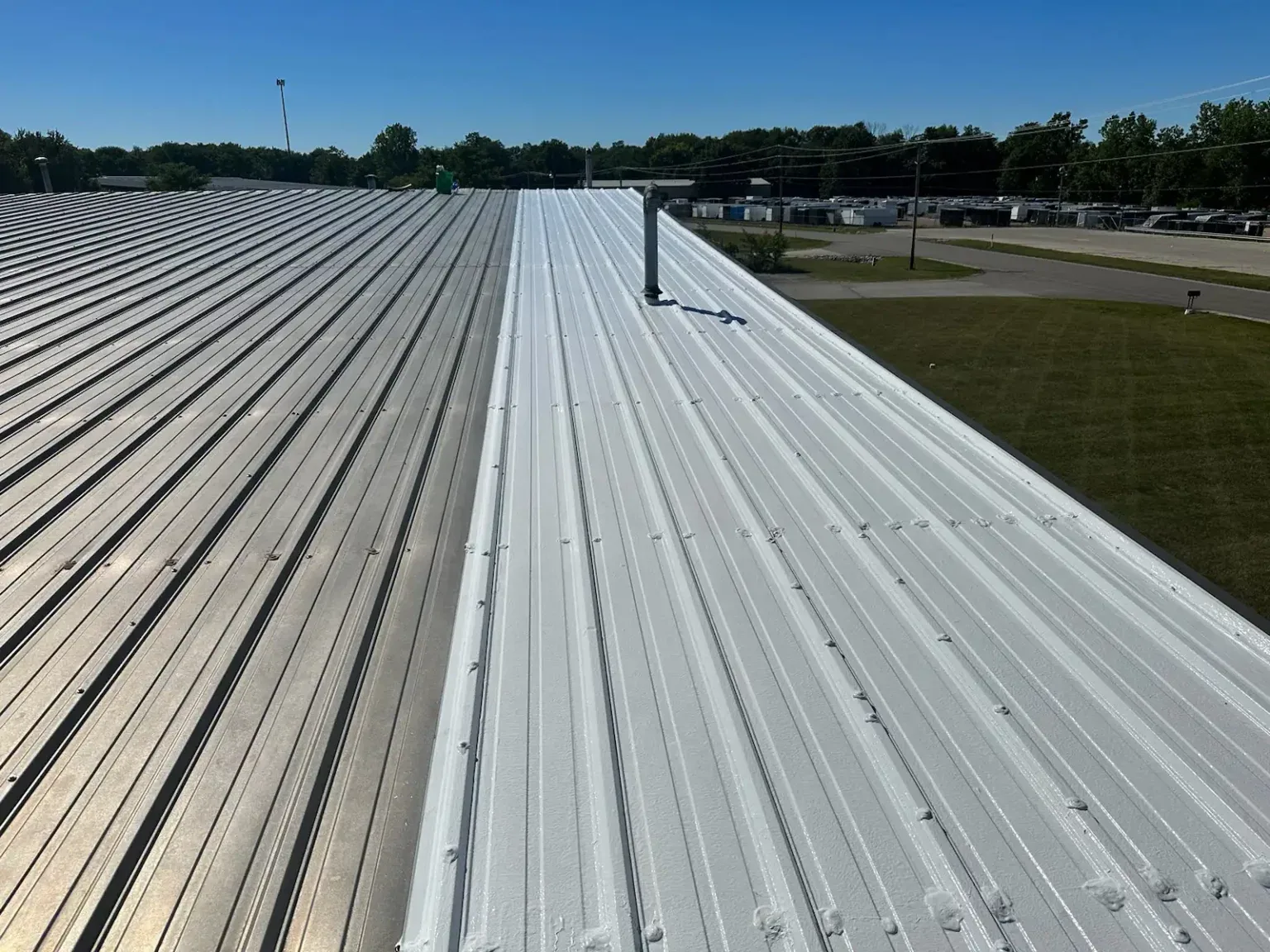
Further investigation is useful when its result can change a construction choice. If an owner wants to retain existing layers, evidence of their suitability matters. An infrared moisture survey may help target closer examination when appropriate to the assembly and conditions. Interpret indications with the available records and confirm relevant material findings. A thermal image by itself cannot certify every concealed layer dry.
Where openings are proposed, arrange authorization, protection and restoration. Include the area below and any affected component responsibilities. The inquiry may need to stop for further direction if uncovered construction changes the planned method. Record both the confirmed finding and the limits of the examination. A local opening gives local evidence; extending its conclusion across unexamined roof sections would leave the buyer with an unsupported construction assumption.
Cost exposure: separate findings from allowances
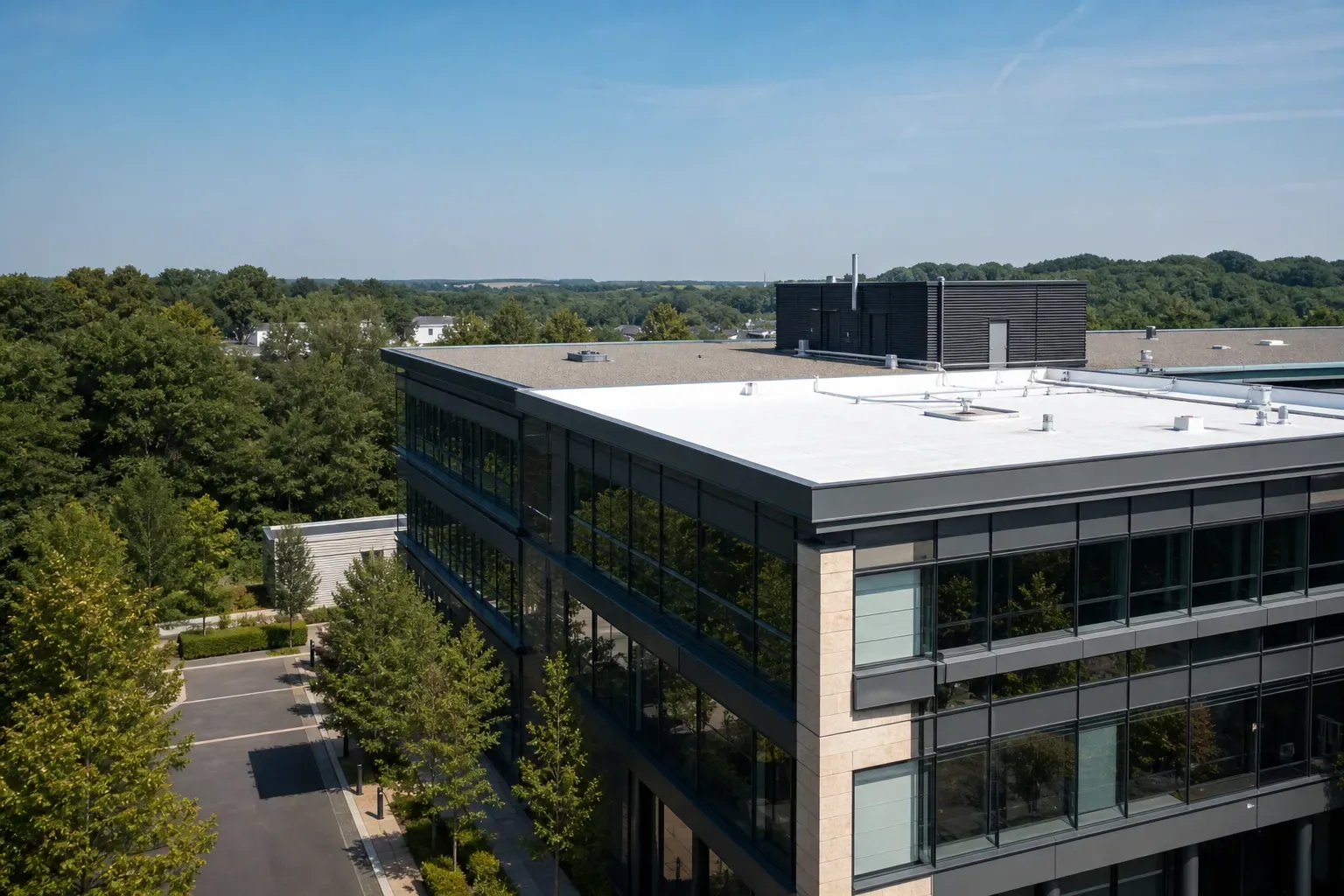
Connect each preliminary allowance to a defined condition or an identified uncertainty. A commercial roof repair figure should explain what defect it would address and which preparation remains provisional. A replacement comparison needs areas, removal assumptions and adjoining work sufficiently developed for its intended use. When information is missing, show the investigation that could change the amount rather than presenting the allowance as a firm construction price.
Roof capital planning can organize near-term corrections and broader alternatives after the findings are available. Keep temporary protection, permanent work and specialist decisions separate in that comparison. The survey can support an owner's discussions about the property, while the owner and relevant advisers handle the transaction terms. Roofing observations do not determine financial or contractual outcomes by themselves.
Local reference: keep the building identity exact
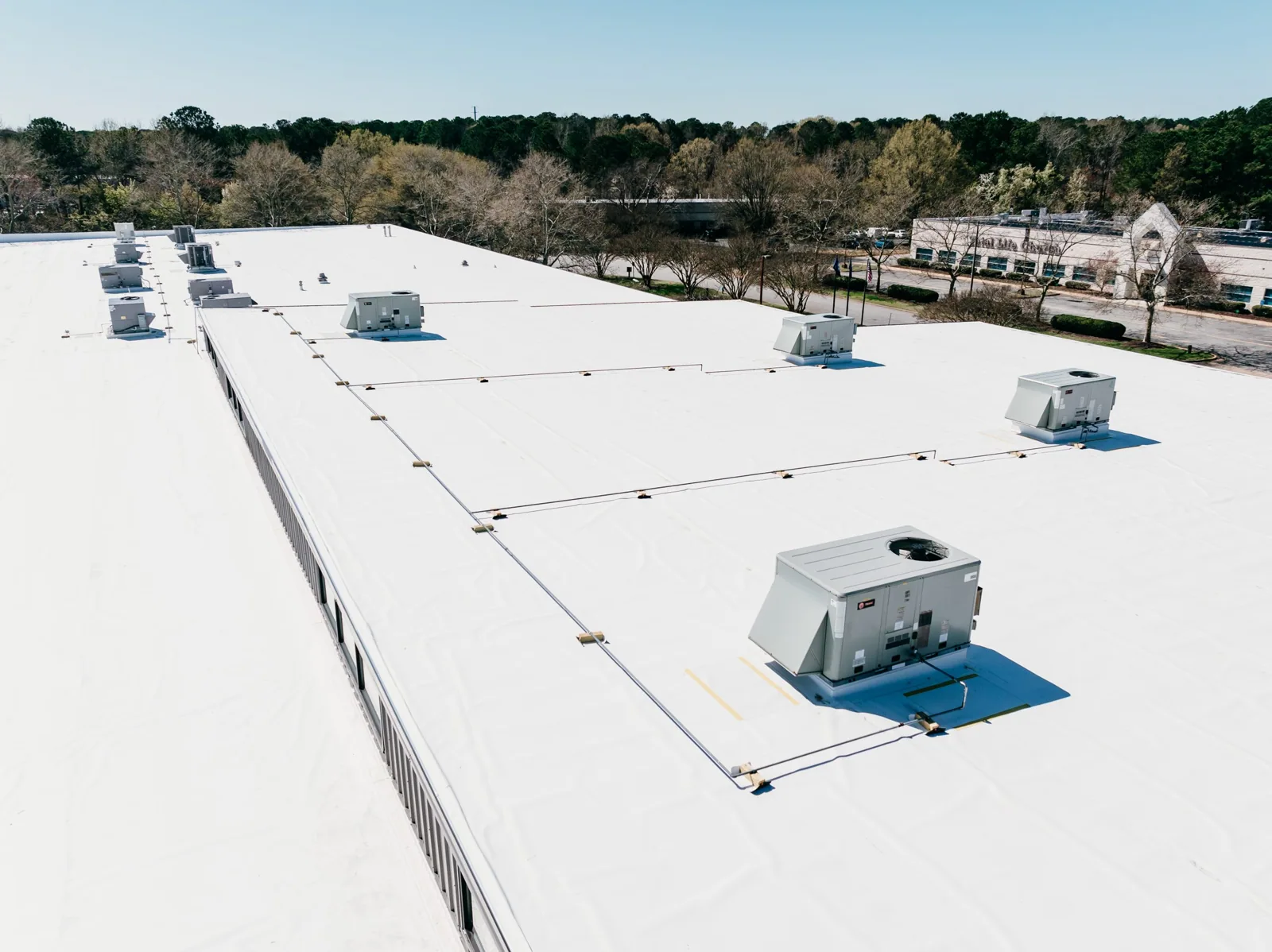
For a property in Downtown Arlington and surrounding business districts, including the Great Southwest Industrial District and South Cooper Street Corridor, the survey must name the actual project address and examined roof areas.
For an acquisition review of a warehouse roof, request the facility's actual access requirements and any information about earlier equipment changes. Stored goods or work below an investigation opening may affect how the inquiry is arranged. Those conditions need building-specific coordination. Do not assume an access route or inspection permission from another warehouse surveyed in the same area.
A due-diligence survey is strongest when the buyer can trace each conclusion back to the building area examined. Identify access limits, roof sections and records reviewed, then separate observed conditions from estimates that rely on concealed construction. For each major concern, explain whether it affects immediate protection, a near-term repair or a future capital option, and show what additional inspection would change that recommendation. A budget range should identify its assumed quantities and exclusions rather than appear as a fixed contractor bid before access and scope are settled. Include component details, drainage and transitions in the review, since a field membrane photograph cannot describe every roof obligation. The final package should put open questions beside their decision impact and responsible next step. That helps the buyer compare properties and make a measured allowance without treating an observational survey as destructive testing or a warranty.
Decision package: show unresolved questions
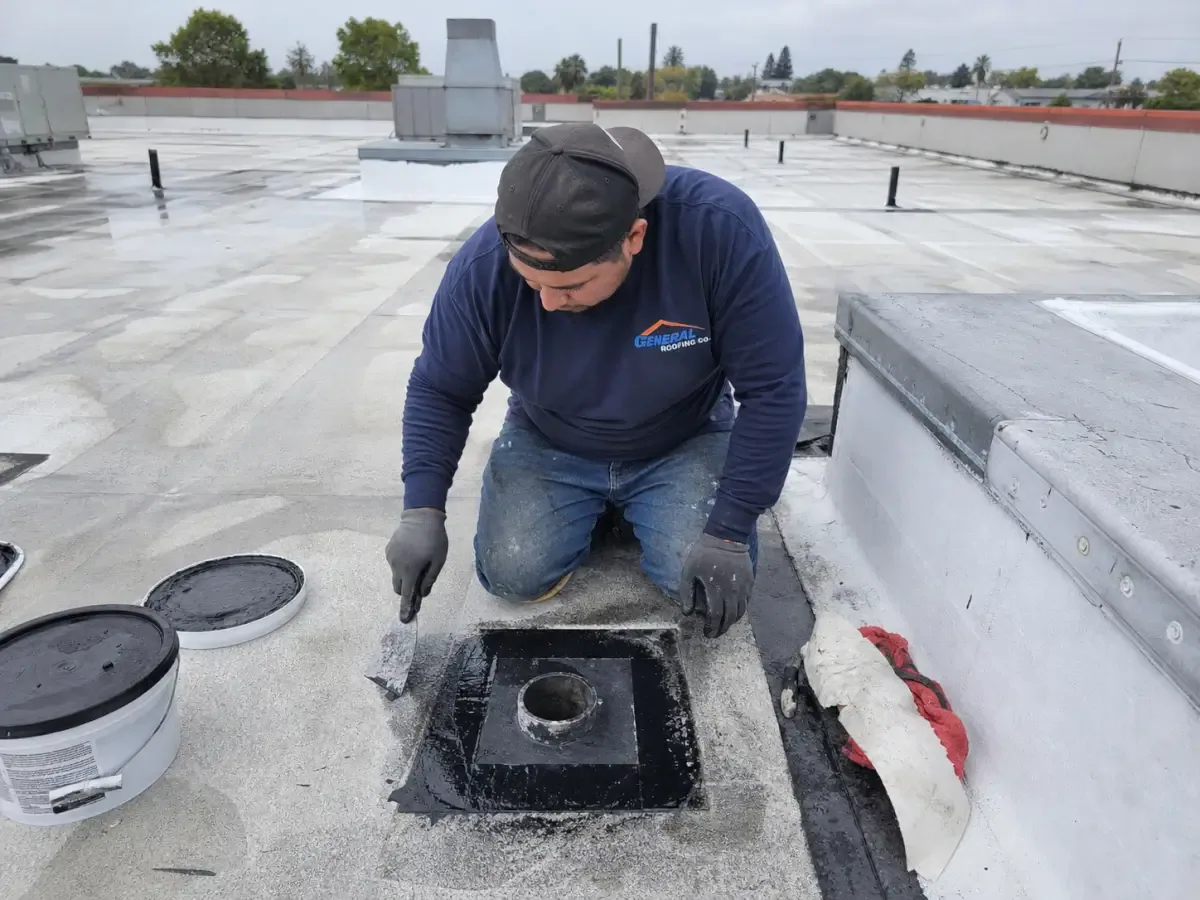
The final account should make three things easy to find: what was observed, what was recommended and what remains unknown. Include dated location photographs, scope limits and references to the supplied records. If a proposed construction method relies on an unresolved assumption, identify that assumption beside the recommendation. This lets the buyer request additional information before a preliminary figure becomes the basis for a commitment.
Review material changes if the roof is altered between the survey and the proposed construction. New equipment, further leaks or an intervening repair may change the relevant conditions. Keep the survey as a dated record of its actual inquiry. A later contractor should check that its findings still support the work being priced rather than treating an earlier property review as a current authorization to build.
Preserve a roof condition report with the reviewed records and outstanding questions, so later work can refer to the same identified areas.
Common Questions
Can the survey establish the condition of every concealed layer?
No. State the agreed examination methods, accessible areas and inspection limits. Concealed construction may require further investigation where it affects the proposed work. The survey should identify those unresolved questions so a buyer can assess the available information without mistaking surface observations for a complete examination of every layer.
What records should a seller provide for the roofing review?
Ask for available plans, installation details, warranty documents, repair invoices and reports of water entry. Connect each record to an identifiable roof area. Missing information should be listed, while questionable or incomplete descriptions need clarification before they are used to support a construction assumption.
When is another investigation useful before the property decision?
Arrange it when the unresolved condition could materially change an intended repair, retention or replacement scope. Agree on access, protection and restoration before making openings. Explain what the proposed inquiry can establish and how its findings would change the allowance being considered.
How should we use a preliminary roof cost in negotiations?
Retain the findings, scope and assumptions supporting the allowance, and ask for clarification where its construction remains undefined. The owner and relevant advisers handle the transaction decision. A roofing allowance should be represented at its actual level of certainty, with any further examination needed clearly identified.
Clarify the roof questions before your decision
Send the property address, available roof information and your review deadline. We will identify the appropriate examination and explain observed conditions, construction questions and remaining investigation needs.